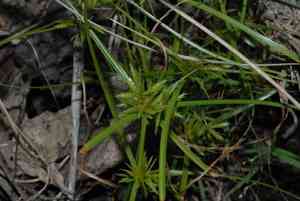
Coastal plain flatsedge (Cyperus cuspidatus)
Also known as: none
Coastal plain flatsedge is a perennial plant that thrives in wet, sandy environments such as coastal plains, marshes, and wet meadows. It has triangular stems and grass-like leaves with rough edges. The plant is known for its small, brown spikelets that cluster at the tips of its stems. Adapted to moist habitats, it often forms dense colonies that help stabilize soil and filter water.
In This Article
Attributes of Coastal plain flatsedge
Lifespan
Annual
Plant Type
Grass
Plant Height
10-30 cm
Spread
Not applicable
Leaf Color
Green
Flower Size
1-2 mm
Flower Color
Yellow Green
Images of Coastal plain flatsedge
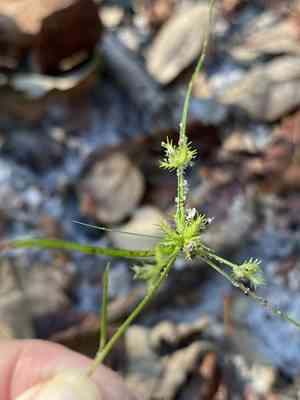
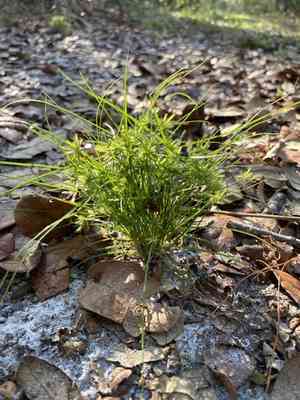
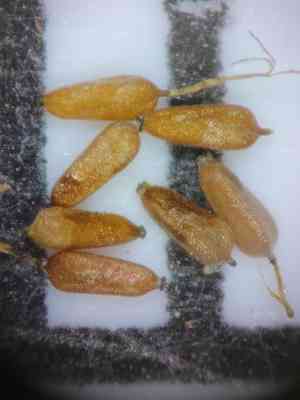
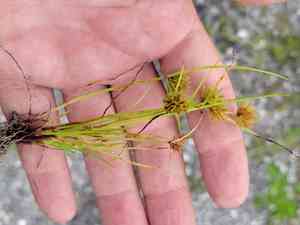
Quickly Identify Coastal plain flatsedge
1
To identify Cyperus cuspidatus, look for its characteristic grass-like appearance, triangular stems, and dense tufted leaves. The plant has small, inconspicuous flowers and typically forms clusters.
Scientific Classification of Coastal plain flatsedge
Phylum
Vascular plants
Class
Monocotyledons
Order
Poales
Family
Sedge
Genus
Nutgrasses
Species
Coastal plain flatsedge
Planting and Growing of Coastal plain flatsedge
Care Difficulty
Easy
Watering Schedule
Every 2 days
Sunlight Requirements
Full sun
Sunshine Duration
6-10 hours
Ideal Temperature
68-77℉
Soil Type
Potting Mix, Peat Mix
Soil pH
6.5-7.5
Fertilizer Type
Balanced
Pruning Season
Spring, Summer
Pruning Area
Branches, Leaves
Pruning Frequency
2 times a year
Repotting Season
Spring
Pot Type
Plastic, Ceramic
 How to Water Coastal plain flatsedge?
When watering Cyperus cuspidatus, aim for around 250 ml each time. This amount keeps the soil consistently moist but not waterlogged, which is crucial for this plant. Ensure the water reaches the root zone, promoting healthy growth while preventing root rot.
What are the symptoms of an underwatered Coastal plain flatsedge?
›
What should I do if my Coastal plain flatsedge is not getting enough water?
›
What are the symptoms of an overwatered Coastal plain flatsedge?
›
How to save an overwatered Coastal plain flatsedge?
›
 What Are the Sunlight Requirements for Coastal plain flatsedge?
Cyperus cuspidatus benefits from a range of full sun to partial sun, promoting vigorous growth and maintaining lush, green foliage that remains strong and upright.
How much light does Cyperus cuspidatus need?
›
How can I ensure ideal light conditions for Cyperus cuspidatus?
›
What benefits can be observed with ideal lighting?
›
 What Is the Ideal Temperature Range for Coastal plain flatsedge?
The optimal growing conditions for Cyperus cuspidatus require a consistent temperature between 68°F and 77°F. This range provides the best conditions for growth, allowing the plant to flourish and develop new shoots. Maintaining this temperature helps prevent stress and encourage robust growth.
 What Soil is Best for Coastal plain flatsedge?
Cyperus cuspidatus thrives in well-drained soil that allows for good aeration. This soil condition prevents root rot by allowing excess water to escape easily, ultimately promoting healthy root development. The plant benefits from soil with moderate nutrient content. A balanced availability of nutrients ensures healthy growth, lush foliage, and resistance to diseases. Avoid overly rich or heavily fertilized soils. While Cyperus cuspidatus prefers soil that retains some moisture, it should not be waterlogged. Consistent moisture helps maintain the plant's color and vigor, but overly wet conditions can lead to fungal issues.
 How to Fertilize Coastal plain flatsedge?
For Cyperus cuspidatus, it is crucial to apply the right amount of fertilizer to maintain its lush growth. Typically, use 1/2 strength liquid fertilizer every two weeks or as per the recommended guidelines on the fertilizer package. Avoid over-fertilizing as it can lead to nutrient burn.
 How to Prune Coastal plain flatsedge?
Begin by identifying any parts of the plant that are dead, damaged, or diseased. Remove these at the base to allow the healthy parts of the plant to thrive. Shape your Cyperus cuspidatus to maintain its natural form and prevent it from sprawling. Often, gently rounding the edges helps maintain a neat appearance. If the plant is taking up too much space, selectively prune back older stems to reduce size while encouraging new growth. Always cut at a node or just above a leaf base.
More About Pruning Techniques→
 How to Propagate Coastal plain flatsedge plant?
1
Collect seeds from mature Cyperus cuspidatus plants when the seed heads have dried but before they've started dispersing naturally. Store them in a dry place to prevent mold.
2
Prepare a mix of peat and sand, which provides adequate drainage and moisture retention. Fill your seed trays with this mixture to create a suitable growing environment for seedlings.
3
Sow the seeds on the surface of the prepared soil and lightly cover them with a fine layer of sand. Mist the soil with water to keep it moist but not waterlogged.
 How to Repot Coastal plain flatsedge plant?
1
Cyperus cuspidatus needs repotting when you see roots emerging through the drainage holes, or if its growth appears stunted. Changing seasons provide the best condition for adapting to its new pot, particularly in spring or summer when the plant is most vigorous.
2
Select a pot that is one size larger than the current pot. It should have ample drainage holes and be made of breathable materials like terracotta. A well-chosen pot ensures ample space for root growth, promoting healthier top growth.
3
Choose a well-draining potting mix rich in organic matter. Adding perlite or sand can enhance aeration. The right soil mixture prevents water-logging, reducing root rot risk and providing a stable environment for thriving.
Learn More About Coastal plain flatsedge Diseases
Anthracnose
Bacterial Leaf Spot
Bacterial Soft Rot
Bacterial Wilt
Chemical Injury
Cyst Nematode
Damping-off
Downy Mildew
Drought Stress
Fusarium Wilt
Gray Mold
Leaf Spot
Mosaic
Nutrient Deficiency
Nutrient Toxicity
Powdery Mildew
Root Rot
Root-knot Nematode
Rusts
Sooty Mold
Spider Mites
Temperature Stress
Thrips Damage
White Mold



