How to Prune Coastal plain flatsedge?
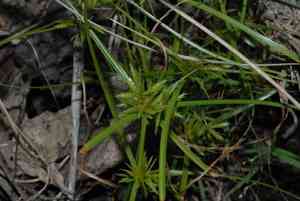
A sedge exhibiting a unique growth habit, Cyperus odoratus thrives with occasional cutting back to eliminate spent leaves and preserve a neat look. Trimming ought to be performed in Spring, Summer, or Autumn to encourage new development. Sever the plant near its base, being careful not to harm emerging shoots. This fosters a denser form and prevents excessive density. Consistent trimming also facilitates improved air movement, lowering the likelihood of illness. Always make precise cuts with sharpened implements.
What Are the Benefits of Pruning Coastal Plain Flatsedge?
What Are the Benefits of Pruning Coastal Plain Flatsedge?
Trimming coastal plain flatsedge promotes robust development and helps keep its desired form. Strategic cuts improve air circulation and light penetration, deterring pests and boosting resilience.
What Is the Best Time for Pruning Coastal Plain Flatsedge?
What Is the Best Time for Pruning Coastal Plain Flatsedge?
Pruning in Spring, just as coastal plain flatsedge emerges from dormancy, stimulates strong new growth and allows the plant to recover quickly. Early Summer trimming is ideal for shaping the plant during active growth while avoiding stress from peak summer heat. Late Fall pruning is suitable after the plant's active growth has slowed, reducing the risk of frost damage to fresh cuts but before winter dormancy, ensuring the plant stays neat through the dormant season.
What Tools Do I Need to Prune Coastal Plain Flatsedge?
Hand Pruners
Perfect for snipping thin stems and leaves of coastal plain flatsedge, which typically don't need heavy-duty gear. Hand pruners offer precise control for thinning overgrown areas without harming the delicate structure of coastal plain flatsedge.
Grass Shears
Grass shears are well-suited for shaping and maintaining the tidy look of coastal plain flatsedge. Their long, straight blades are excellent for reaching into dense clumps of coastal plain flatsedge and cutting evenly across the tufts.
Serrated Knife
A serrated knife is useful for dividing coastal plain flatsedge clumps during propagation or when needing to control their spread. The serrated edge provides a better grip and a clean cut through the spongy roots.
Gardening Gloves
Though not a pruning tool itself, gardening gloves are crucial when handling coastal plain flatsedge to shield hands from sharp edges and the wet conditions common in coastal plain flatsedge habitats.
How to Prune Coastal Plain Flatsedge
Clean tools
Sanitize pruning implements before beginning to prevent disease transmission to coastal plain flatsedge.
Inspect plant
Carefully examine coastal plain flatsedge to identify all dead leaves that need removal.
Trim withered leaves
Use sharp scissors or pruning shears to cut off dead leaves at their base, where they emerge from the main plant, to encourage healthy growth in coastal plain flatsedge.
Discard waste
Properly dispose of all removed leaves to lessen the risk of pests and diseases affecting coastal plain flatsedge.
Water carefully
After pruning, water coastal plain flatsedge carefully at the base to minimize stress and aid recovery.
Common Pruning Mistakes with Coastal Plain Flatsedge
Overzealous pruning
Cutting back too much of coastal plain flatsedge's foliage at once can shock the plant, potentially leading to stunted growth or even plant death.
Ignoring health
Failing to remove diseased or damaged leaves and stems, which can prevent coastal plain flatsedge from flourishing and may spread disease to other parts of the plant.
Improper tool use
Using dull or unclean pruning tools can result in jagged cuts, harming coastal plain flatsedge and making it more susceptible to pests and diseases.
Neglecting form
Not considering the natural shape and growth habit of coastal plain flatsedge during pruning, which can result in an unbalanced and aesthetically displeasing appearance.
Inconsistent pruning
Pruning coastal plain flatsedge irregularly or sporadically can cause uneven growth and may diminish the plant's vitality.
Common Pruning Tips for Coastal Plain Flatsedge
Health assessment
Before pruning coastal plain flatsedge, thoroughly check for any signs of pests or diseases, and remove affected parts first to maintain plant health.
Selective cutting
Prune selectively, focusing on removing only what is necessary, such as dead or weak stems, to preserve the strength and shape of coastal plain flatsedge.
Sharp tools
Use sharp, clean pruning shears or scissors to make clean cuts that will heal quickly and minimize stress to coastal plain flatsedge.
Natural shape
When trimming coastal plain flatsedge, aim to maintain its natural form, gently shaping rather than dramatically altering its appearance.
Timely care
Regularly inspect coastal plain flatsedge for pruning needs, addressing issues promptly to encourage robust growth and healthier plants.
Post-pruning care
After pruning coastal plain flatsedge, provide adequate water and nutrients to support recovery and regrowth, fostering a resilient and thriving plant.



