How to Transplant Clustered flat-sedge?
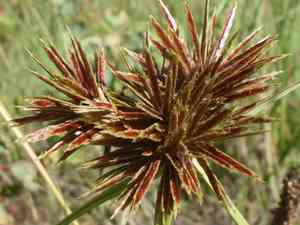
The most favorable period for relocating clustered flat-sedge extends from the onset of mid-spring through the gradual close of late spring, and once more as autumn transitions into the brink of winter. To ensure a successful move, select a location offering sufficient humidity and partial sunlight. Helpful advice: clustered flat-sedge flourishes optimally with regular irrigation following its transplantation.
Necessary Preparations Before Relocating Clustered Flat-sedge?
Optimal Timing for Moving Clustered Flat-sedge?
The perfect time to move clustered flat-sedge is during the vibrant growth of mid-to-late spring or as nature enters dormancy from late fall to early winter. These periods offer ideal temperatures and moisture levels that align with clustered flat-sedge's life cycle, ensuring a smooth move to its new spot. Transplanting at these times reduces stress, allowing clustered flat-sedge to develop strong roots and flourish, mirroring nature's perfect rhythm.
Required Spacing Between Clustered Flat-sedge Plants?
Let's give clustered flat-sedge ample room to thrive! Aim for a distance of approximately 6-12 inches (15-30 cm) between each plant. This ensures they have sufficient space for root expansion and overall growth.
Best Soil Mixture for Clustered Flat-sedge Relocation?
Prepare a comfortable bed for clustered flat-sedge with soil that drains well. A loamy or sandy soil blend would be ideal. Before planting, enrich the soil with a balanced, slow-release fertilizer to give clustered flat-sedge an excellent start!
Where to Replant Your Clustered Flat-sedge?
Select a sunny location for clustered flat-sedge where it can receive at least 6 hours of direct sunlight daily. Partial shade is acceptable, but more light generally leads to a happier clustered flat-sedge!
Equipment Needed Before Transplanting Clustered Flat-sedge?
Gardening Gloves
To safeguard your hands while handling soil and the plant.
Shovel or Spade
For digging around and beneath the plant to ensure safe removal.
Wheelbarrow or Tarp
To easily move the clustered flat-sedge without causing damage.
Pruning Shears
For trimming any dead or overgrown roots or foliage.
Watering Can or Hose
To hydrate the clustered flat-sedge before and after its transfer.
Measuring Tape
To accurately measure spacing between transplanted plants.
How to Extract Clustered Flat-sedge from the Soil?
How to Extract Clustered Flat-sedge from the Soil?
From Ground: Water the clustered flat-sedge to moisten the soil, making extraction easier. Use a shovel or spade to dig a wide circle around the plant, being careful to keep the root ball intact. Gently lift the clustered flat-sedge from its spot.From Pot: Water the soil to loosen the roots. Tilt the pot sideways and tap or press on the sides to help the clustered flat-sedge slide out with its root ball undamaged.From Seedling Tray: Water the seedlings. Use a spoon or a small tool to carefully lift the clustered flat-sedge from its cell, ensuring the root system remains undisturbed.
Step-by-Step Guide for Relocating Clustered Flat-sedge
Prepare the New Location
Dig a hole in the prepared ground that is twice as wide and equally deep as the root ball of the clustered flat-sedge.
Examine the Root Ball
Before placing clustered flat-sedge in the new hole, inspect the root ball, carefully removing any dead roots and gently untangling any that are circling.
Positioning
Place the clustered flat-sedge in the center of the hole, ensuring it sits at the same depth as its original location.
Backfill the Hole
Gently fill the hole with soil around the root ball of the clustered flat-sedge, firming it down as you go to eliminate air pockets.
Water Thoroughly
After planting, water the clustered flat-sedge generously to settle the soil and hydrate the roots.
Mulch
Apply a layer of mulch around, but not touching, the base of the clustered flat-sedge to help retain moisture and regulate soil temperature.
Post-Transplant Care for Clustered Flat-sedge?
Watering
Ensure the soil around the clustered flat-sedge remains moist, especially during the initial weeks as it establishes.
Pest Inspection
Regularly check the clustered flat-sedge for any signs of pest infestation and take appropriate action if necessary.
Weeding
Keep the area surrounding the clustered flat-sedge free of weeds to reduce competition for nutrients and water.
Mulch Renewal
Inspect and replenish the mulch layer as needed to maintain its benefits.
Staking
If the clustered flat-sedge is tall and susceptible to wind damage, consider staking it for support until it is established.
Addressing Common Issues with Clustered Flat-sedge Transplantation.
When is the best time to transplant clustered flat-sedge?
Transplant clustered flat-sedge in mid to late spring or from late fall to early winter for successful establishment.
How far apart should I space clustered flat-sedge when transplanting?
Give clustered flat-sedge room to thrive by spacing them 6-12 inches (15-30 cm) apart.
Why is my clustered flat-sedge wilting after transplanting?
Wilting may be due to transplant shock. Ensure proper watering and avoid full sun for a few days.
What soil conditions favor clustered flat-sedge transplantation?
Use well-draining soil, rich in organic matter, to promote healthy root development for clustered flat-sedge.
How deep should I plant clustered flat-sedge's root ball?
Plant the root ball of clustered flat-sedge at the same depth it was in the previous pot or ground.
Can I transplant clustered flat-sedge during the summer?
It's best to avoid summer transplantation; clustered flat-sedge prefers cooler transition periods for root establishment.
Is watering clustered flat-sedge after transplanting necessary?
Yes, water clustered flat-sedge thoroughly after transplanting to settle the soil around the roots and aid recovery.
How do I prepare clustered flat-sedge for transplantation?
Before transplanting, water clustered flat-sedge well, and prepare the new location with appropriate soil and spacing.
Can I use fertilizer when transplanting clustered flat-sedge?
Wait a few weeks after transplanting before applying a balanced fertilizer to allow clustered flat-sedge to acclimate.
My clustered flat-sedge looks yellow after transplanting. What should I do?
Yellowing may indicate stress; check for proper watering and soil conditions, and adjust care accordingly.



