How to Prune Clustered flat-sedge?
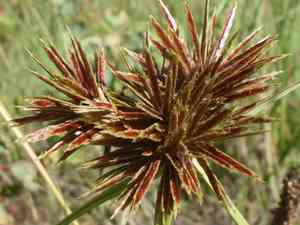
Celebrated for its dense clusters and resilient character, clustered flat-sedge flourishes with appropriate attention. Trim in late winter or early spring, concentrating on eliminating withered or discolored leaves to stimulate new development. Snip near the ground for denser foliage. Consistent upkeep prevents excessive density, enhances air movement, and preserves the plant's well-being. Bear in mind that extensive pruning is unnecessary, as this variety generally needs only minor shaping to uphold its neat look and vitality.
What Are the Benefits of Pruning Clustered Flat-sedge?
What Are the Benefits of Pruning Clustered Flat-sedge?
Trimming clustered flat-sedge promotes robust development and helps maintain its form, ensuring it flourishes and remains visually appealing in gardens.
What Is the Best Time for Pruning Clustered Flat-sedge?
What Is the Best Time for Pruning Clustered Flat-sedge?
Trimming or cutting back clustered flat-sedge in early spring coincides with the start of its active growth phase, encouraging strong development and preserving its desired shape and size. This timing allows for the removal of any winter-damaged or diseased foliage before the plant expends energy on new growth. Winter pruning is suitable as clustered flat-sedge's growth naturally slows, minimizing plant stress during dormancy. This also prepares clustered flat-sedge for vigorous growth when temperatures rise. It is crucial to avoid pruning during blooming or when the plant is under environmental stress, such as extreme heat or drought, to prevent harming its health and development.
What Tools Do I Need to Prune Clustered Flat-sedge?
Sharp Hand Pruners
Perfect for precise cuts on clustered flat-sedge's thinner stems, minimizing plant damage.
Scissors
Useful for clipping clustered flat-sedge's smaller, more delicate growths or any dead foliage without causing unnecessary harm.
Hand Saws
Suitable for cutting thicker, tougher stems or roots of clustered flat-sedge, if needed.
Gardening Gloves
Protects the gardener's hands from sharp edges and potential irritants while trimming clustered flat-sedge.
Pruning Shears
Helps shape clustered flat-sedge by trimming overgrown foliage with clean cuts, essential for the plant's health and appearance.
How to Prune Clustered Flat-sedge
Clean tools
Before beginning, ensure all pruning tools are cleaned and disinfected to prevent disease spread to clustered flat-sedge.
Inspect plant
Carefully examine clustered flat-sedge for signs of diseased and withered leaves, considering its clumping habit and identifying which leaves need removal.
Cut diseased leaves
Carefully cut away diseased leaves from clustered flat-sedge at the stem's base, ensuring not to harm adjacent healthy foliage.
Remove withered leaves
Trim withered leaves from clustered flat-sedge at the base, using clean cuts to avoid tearing that can lead to further damage or disease.
Dispose waste
Properly discard all removed diseased and withered leaves to prevent any potential disease spread in the garden.
Common Pruning Mistakes with Clustered Flat-sedge
Over-pruning
Removing too much foliage can stress clustered flat-sedge, reduce its vigor, and impair its aesthetic form. Aim to never remove more than one-third of the plant's growth in a single pruning session.
Improper tool usage
Using dull or unsanitized pruning tools can cause jagged cuts and introduce pathogens to clustered flat-sedge. Always use sharp, clean pruners to make clean cuts and prevent disease spread.
Pruning too short
Cutting clustered flat-sedge's stems too short can harm the plant's natural shape and inhibit potential growth. Leave a reasonable length to promote healthy regrowth.
Neglecting dead material
Failing to remove dead or yellowing leaves can affect clustered flat-sedge's health and appearance, potentially leading to disease or pest issues.
Ignoring growth pattern
Not considering clustered flat-sedge's natural growth habit when pruning may result in an unnatural appearance or weaker plant structure.
Common Pruning Tips for Clustered Flat-sedge
Selective thinning
Remove selected stems from crowded areas to increase air circulation and light penetration, promoting healthier growth in clustered flat-sedge.
Seasonal awareness
Though the best season for pruning is excluded, it's important to prune at appropriate times during the growth cycle to ensure the plant recovers well and maintains its shape.
Pruning for shape
Encourage a fuller shape by snipping above a node or growth point, which will stimulate clustered flat-sedge to branch out and become bushier.
Tool maintenance
Keep pruning tools sharp and disinfect them before use to make precise cuts and prevent disease spread to clustered flat-sedge.
Post-pruning care
After pruning, provide clustered flat-sedge with adequate water and potentially a balanced fertilizer to support recovery and new growth.
Monitor plant response
Observe how clustered flat-sedge reacts to pruning over time, and adjust techniques accordingly to optimize its health and appearance.



