How to Transplant Poorland flatsedge?
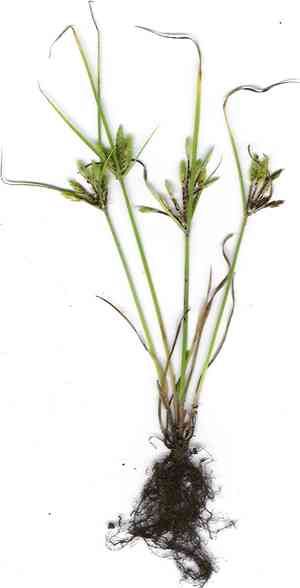
For vigorous development, relocate poorland flatsedge during the spring, spanning from the initial thaw to the onset of summer. Select a site with good drainage, receiving abundant solar exposure. Prevent waterlogging the roots, ensuring a smooth transition to their new environment.
What Preparations are Needed Before Transplanting Poorland Flatsedge?
What is the Ideal Time for Transplanting Poorland Flatsedge?
The optimal period for relocating poorland flatsedge spans from early spring's thaw until spring reaches its peak bloom. This timeframe is perfect as poorland flatsedge can establish itself in mild weather, building strength before summer's heat. Moving poorland flatsedge in this gentle climate minimizes stress, allowing roots to recover and flourish in damp, warming soil. A helpful tip â this timely transition sets the stage for vigorous growth, enabling poorland flatsedge to thrive in its new location!
How Much Space Should You Leave Between Poorland Flatsedge Plants?
Hello Gardener! When arranging your poorland flatsedge, aim for approximately 6-8 inches (15-20 cm) of separation. This provides ample room for each plant to thrive without competing for essential resources. Happy planting!
What is the Best Soil Mix for Poorland Flatsedge Transplanting?
To give your poorland flatsedge the best start, combine loamy soil with some organic compost as a foundational fertilizer. This mixture offers excellent drainage and the nutrients poorland flatsedge desires. Consider it a comfortable bed for your plant's root system!
Where Should You Relocate Your Poorland Flatsedge?
Your poorland flatsedge enjoys basking in sunlight! Select a bright location where it can receive at least 6 hours of direct sun daily. This will help your poorland flatsedge grow robust and healthy. A little sun exposure works wonders!
What Equipments Should You Prepare Before Transplantation Poorland Flatsedge?
Gardening Gloves
To safeguard your hands while handling soil and the plant.
Shovel or Spade
To excavate around and beneath the plant, ensuring its root ball remains intact during extraction.
Watering Can or Hose
For hydrating before removal and after replanting.
Wheelbarrow or Plant Tray
To safely move the plant from its original spot to the new transplant site.
Pruning Shears
To trim any damaged or excess roots or foliage prior to transplanting.
How Do You Remove Poorland Flatsedge from the Soil?
How Do You Remove Poorland Flatsedge from the Soil?
From Ground: First, hydrate the poorland flatsedge plant to moisten the soil. Use a shovel or spade to dig a wide circle around the plant, allowing sufficient space for the root ball. Carefully slide the tool beneath the root ball and gently lift the plant from the ground.From Pot: Begin by watering the poorland flatsedge plant to make the soil more pliable. Turn the pot on its side, tap the bottom, and carefully ease the plant out while supporting the stem and root ball with your hands. If the plant is stuck, you might use a knife to loosen the soil along the pot's edges.From Seedling Tray: Dampen the soil beforehand. Use a dibber or small tool to gently lift each poorland flatsedge seedling out, ensuring you preserve as much of the root system as possible. Handle the seedling by its leaves to avoid harming the stem.
Step-by-Step Guide for Transplanting Poorland Flatsedge
Preparation
Before commencing, ensure all necessary tools are ready and you are familiar with the designated spot for transplanting your poorland flatsedge.
Root Ball Inspection
After extracting the poorland flatsedge from its initial location, examine the root ball for any indications of disease or damage and trim as needed using pruning shears.
Hole Digging
Excavate a hole in the new site that is twice as wide and the same depth as the root ball. Loosen the soil at the base of the hole to facilitate root penetration.
Placement
Position the poorland flatsedge in the center of the hole, ensuring the top of the root ball is level with the surrounding ground. Adjust the depth if required.
Refilling
Carefully backfill the hole around the root ball with soil. Gently firm the soil with your hands to eliminate air pockets without compacting it too tightly.
Watering
Thoroughly water the poorland flatsedge at its base to settle the soil and provide moisture to the roots. Be careful not to overwater or flood the area.
How Do You Care For Poorland Flatsedge After Transplanting?
First Weeks
Keep the soil around the poorland flatsedge consistently moist by watering gently at the plant's base, as needed, depending on weather conditions and soil drainage.
Pruning
Remove any dead or withered parts of the poorland flatsedge to redirect energy towards healthy growth and maintain plant vigor.
Monitoring
Regularly observe the poorland flatsedge for signs of stress, such as wilting leaves or discoloration, and take appropriate action to resolve any issues.
Troubleshooting Common Issues with Poorland Flatsedge Transplantation.
When is the best time to transplant poorland flatsedge?
The optimal period to move poorland flatsedge is from the thawing of early spring through to the full bloom of late spring.
What spacing is ideal for poorland flatsedge after transplanting?
For best growth, position poorland flatsedge approximately 6-8 inches (15-20 cm) apart from one another.
How do I prepare the soil before transplanting poorland flatsedge?
Enrich the soil with organic material and ensure it drains well before planting poorland flatsedge in its new home.
What should I do if poorland flatsedge wilts after transplanting?
Provide shade and consistent moisture. Wilting often indicates transplant shock; it should recover with proper care.
Can I transplant poorland flatsedge on a hot, sunny day?
It's preferable to transplant poorland flatsedge on an overcast day or in the evening to minimize transplant shock.
How much should I water poorland flatsedge after transplanting?
Give poorland flatsedge a generous amount of water immediately after transplanting to settle the soil around its roots.
How deep should I plant poorland flatsedge during transplanting?
Plant poorland flatsedge at the same depth it was previously growing to encourage successful establishment.
Why are my transplanted poorland flatsedge plants not growing well?
They might need more water, be exposed to too much sun/shade, or be too close to other plants. Verify spacing and environmental conditions.
How do I know if poorland flatsedge has enough sunlight after transplanting?
Observe the plant's development. Poorland flatsedge thrives in sunny locations, but if leaves bleach or wilt, it may require some shade.
What should I do if poorland flatsedge shows signs of disease post-transplant?
Isolate the affected plant to prevent spread, remove any diseased parts, and ensure it receives good air circulation and appropriate watering.



