How to Prune Poorland flatsedge?
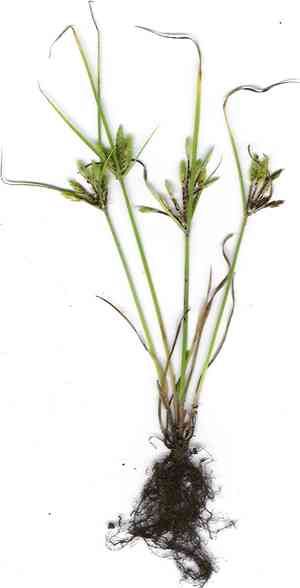
This herbaceous plant, resembling grass, flourishes in damp, dense ground, frequently establishing thick groupings. To ensure the best care, trim poorland flatsedge at the start of its vigorous growth periods in spring and continuing through summer. Pruning in early autumn is likewise advantageous, helping poorland flatsedge retain a tidy look. Consistent removal of the flower heads encourages development and limits undesirable dissemination. Employ sharp cutting tools for uniform trimming, and discard the excised matter to hinder self-propagation.
What Are the Benefits of Pruning Poorland Flatsedge?
What Are the Benefits of Pruning Poorland Flatsedge?
Trimming poorland flatsedge promotes robust development and maintains its form. This selective cutting ensures vigor, lessens crowding, and enhances air movement, deterring issues with pests and diseases. Regular trimming keeps poorland flatsedge visually appealing and well-managed.
What Is the Best Time for Pruning Poorland Flatsedge?
What Is the Best Time for Pruning Poorland Flatsedge?
In Spring, poorland flatsedge emerges from dormancy, making it an ideal period to trim or prune the plant to encourage healthy new growth and preserve its shape. Early Summer is also suitable for light pruning to guide the plant's development and improve airflow, crucial for reducing pest and disease risks. Late Fall pruning is beneficial as it prepares poorland flatsedge for dormancy by removing any dead or dying foliage, which can help prevent fungal growth and other issues related to cold, moist conditions over the winter. Pruning during peak growing season or flowering period is avoided to not stress the plant or reduce its vigor.
What Tools Do I Need to Prune Poorland Flatsedge?
Hand Pruners
Perfect for cutting the grassy foliage and slender stems of poorland flatsedge. They offer precise control and can easily reach into dense growth to snip away unwanted parts.
Grass Shears
Effective for shaping and trimming the sedge's leaves, especially in confined areas where larger tools cannot maneuver. The long blades facilitate a neat appearance with consistent height.
Weeding Tools
Helpful for removing any unwanted weeds that grow around poorland flatsedge, keeping it healthy and ensuring it has sufficient space and resources to thrive.
How to Prune Poorland Flatsedge
Preparation
Gather sharp pruning shears or scissors to ensure clean cuts without damaging poorland flatsedge's stems.
Cleanliness
Sanitize cutting tools with rubbing alcohol or a bleach solution to prevent the spread of disease during pruning.
Identification
Inspect poorland flatsedge and identify the withered leaves that need to be removed from the plant.
Pruning
Carefully trim the identified withered leaves at the base where they meet the stem, avoiding damage to the healthy parts of poorland flatsedge.
Post pruning care
Dispose of the trimmed material away from the growing area to reduce the risk of any potential disease spreading back to poorland flatsedge.
Common Pruning Mistakes with Poorland Flatsedge
Over pruning
Removing too much foliage at once can stress poorland flatsedge, potentially stunting growth or leading to plant death.
Improper cutting technique
Using dull or dirty tools can damage the stems of poorland flatsedge, promoting disease.
Pruning healthy growth
Cutting away healthy, green shoots may hinder the aesthetic and vigoral development of poorland flatsedge.
Ignoring dead material
Failing to remove dead or yellowing leaves can encourage disease and pest infestation in poorland flatsedge.
Excessive cautiousness
Being too cautious and under-pruning can lead to a dense center, poor air circulation, and potential rot in poorland flatsedge.
Common Pruning Tips for Poorland Flatsedge
Sharp clean tools
Always use sharp and sanitized pruning tools to make precise cuts without harming poorland flatsedge.
Prune dead material
Regularly check and prune dead or yellowing leaves to maintain plant health and appearance.
Proportionate pruning
Only prune up to one-third of poorland flatsedge at a time to maintain structural integrity and avoid plant stress.
Cutting angle
Make cuts at a 45-degree angle for proper healing and to prevent water accumulation on poorland flatsedge.
Encouraging new growth
Prune just above new leaf nodes to encourage bushier growth in poorland flatsedge.



