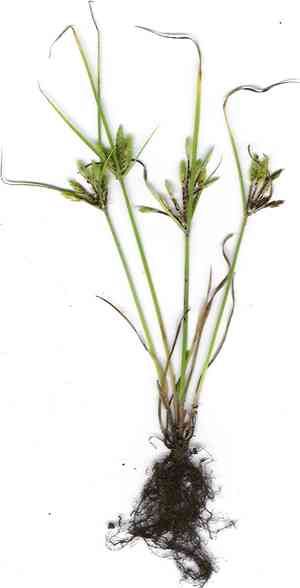
Poorland flatsedge (Cyperus compressus)
Also known as: Brown flatsedge, Hedgehog cyperus
Poorland flatsedge (Cyperus entrerianus) is an annual sedge known for its weed-like presence in agricultural settings such as rice, maize, and sugarcane fields, particularly in warmer regions. In the United States, it commonly inhabits lawns and low-lying wetland areas. The plant is notable for its triangular stems and narrow, grass-like leaves, which emit a sweet fragrance when crushed. It thrives in moist environments, often appearing in disturbed soils and sunny locations with sufficient water.
In This Article
Attributes of Poorland flatsedge
Lifespan
Annual, Perennial
Plant Type
Grass
Plant Height
30 cm to 46 cm
Spread
Not applicable
Leaf Color
Green
Flower Size
2.5 cm
Flower Color
Yellow Green Brown
Images of Poorland flatsedge
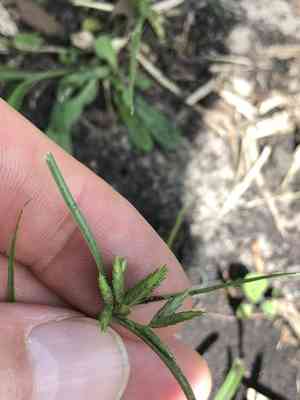
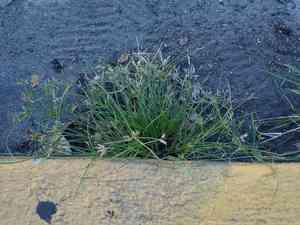
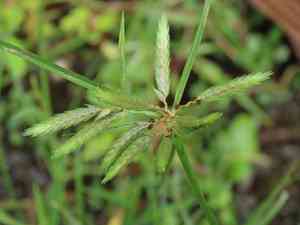
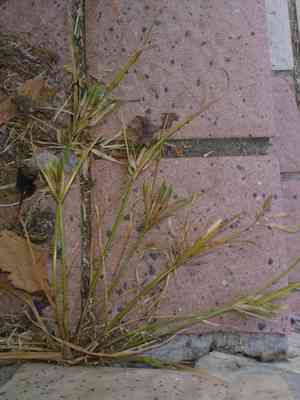
Quickly Identify Poorland flatsedge
1
Cyperus compressus can be identified by its tufted growth, flattened and erect stems, and clusters of small, brownish-green spikelets. The plant often forms dense mats and can be found in moist or wet habitats.
Scientific Classification of Poorland flatsedge
Phylum
Vascular plants
Class
Monocotyledons
Order
Poales
Family
Sedge
Genus
Nutgrasses
Species
Poorland flatsedge
Planting and Growing of Poorland flatsedge
Care Difficulty
Easy
Watering Schedule
Every 4 days
Sunlight Requirements
Full sun
Sunshine Duration
6-12 hours
Ideal Temperature
65-77℉
Soil Type
Potting Mix, Peat Mix
Soil pH
6.5-7.5
Fertilizer Type
Balanced
Pruning Season
Spring, Summer
Pruning Area
Branches, Leaves
Pruning Frequency
2 times a year
Repotting Season
Spring
Pot Type
Plastic, Ceramic
 How to Water Poorland flatsedge?
For Cyperus compressus, ensure that the soil is kept consistently moist but not waterlogged. This means watering until the soil feels slightly damp when touched, approximately 150 ml per session, depending on pot size and local humidity. Always adjust based on the specific environmental conditions.
What are the symptoms of an underwatered Poorland flatsedge?
›
What should I do if my Poorland flatsedge is not getting enough water?
›
What are the symptoms of an overwatered Poorland flatsedge?
›
How to save an overwatered Poorland flatsedge?
›
 What Are the Sunlight Requirements for Poorland flatsedge?
Cyperus compressus thrives in full to partial sunlight conditions. This range supports its active photosynthesis needs and ensures robust growth. Adequate sunlight fosters vibrant foliage and prevents weakness caused by insufficient light.
More About Sunlight Requirements Techniques→
Perfect Illumination for Growth
›
Optimal Conditions for Development
›
Solutions for Ideal Light
›
 What Is the Ideal Temperature Range for Poorland flatsedge?
Cyperus compressus thrives best in environments where temperatures are maintained between 65 and 77 degrees Fahrenheit. This range supports healthy cellular functions and metabolic activities essential for the plant's growth and development.
 What Soil is Best for Poorland flatsedge?
Cyperus compressus thrives in well-draining soil, which prevents waterlogging and roots from rotting. The plant's roots need to breathe, and loam or sandy loam provides the perfect balance of drainage and moisture retention. A nutrient-rich soil is essential for the healthy growth of Cyperus compressus. It ensures that the plant receives adequate nutrients, fostering vibrant growth, lush foliage, and increased resilience to pests and diseases. The soil should have moderate moisture retention capabilities. It should hold enough moisture to keep the plant hydrated but should not retain excessive water that can lead to root rot, ensuring the plant stays healthy.
 How to Fertilize Poorland flatsedge?
Cyperus compressus prefers a balanced nutrient mix. Use a water-soluble liquid fertilizer diluted to half strength, applying no more than 100-150 ml per application. For slow-release fertilizers, ensure the granules are evenly distributed across the soil surface, typically using about 5-10 grams per plant per application. The goal is to avoid nutrient overload while ensuring sufficient growth support.
 How to Prune Poorland flatsedge?
Gather sharp and sterilized pruning shears or scissors. Set up in a bright and airy space so you can easily see the plant structure. Look for brown or dead stems and leaves. Healthy stems are bright green, while those needing pruning are usually discolored or wilted. Cut at a 45-degree angle above the node or just above a junction where leaves emerge. This aids in new growth and prevents water from sitting on the cut.
More About Pruning Techniques→
 How to Propagate Poorland flatsedge plant?
1
Harvest seeds from mature plants during the correct season when they are ripe and ready. Ensure that seeds are collected in dry conditions to prevent mold and store them in a cool, dry place if not sowing immediately.
2
Choose a well-draining soil mix that holds moisture yet doesn’t become waterlogged. Add coarse sand or perlite to enhance drainage. This step is crucial for both seed and division propagation to ensure healthy growth.
3
When propagating through division, carefully lift the plant clumps from the soil and separate them into smaller sections. Each division should have multiple shoots and a healthy root system to ensure successful re-establishment.
 How to Repot Poorland flatsedge plant?
1
You should consider repotting Cyperus compressus when you notice roots emerging from the drainage holes or the plant appears root-bound. This signals that the current pot is too small and may restrict the plant's growth. Optimal repotting times are during the growing seasons of spring and early summer when the plant can acclimate most easily to its new environment.
2
Choosing the right pot for Cyperus compressus involves selecting a container that is just a size larger than its current one to avoid over-potting, which can lead to water retention issues. A pot with adequate drainage holes is also crucial to prevent root rot, as it allows excess water to escape after watering. This ensures a healthy root environment.
3
Select a well-draining sandy soil mix, which mimics the natural growing conditions of Cyperus compressus. This type of soil prevents waterlogging and ensures air circulation to the roots, promoting healthy growth. Adding perlite or small gravels can enhance drainage and help maintain the optimal moisture level for the plant.



