How to Transplant Cutleaf cyclanthera?
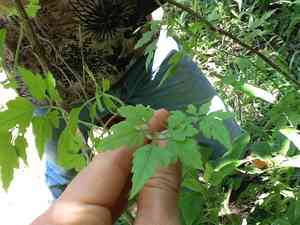
Cutleaf cyclanthera thrives when relocated during the lively period of mid to late spring, benefiting from rising soil temperatures. Provide a spot with full sun to partial shade for best development. Reduce disruption to the root system during the move to facilitate a more seamless adjustment.
What Preparations are Needed Before Transplanting Cutleaf Cyclanthera?
What is the Ideal Time for Transplanting Cutleaf Cyclanthera?
Cutleaf cyclanthera should be moved from early to late spring, when the ground begins to warm. This timing ensures optimal root establishment and robust growth due to increasing daylight and favorable temperatures. Transplanting during this period maximizes plant development, leading to a healthier annual season. Early spring conditions also lessen transplant shock and stress.
How Much Space Should You Leave Between Cutleaf Cyclanthera Plants?
When relocating cutleaf cyclanthera, ensure a spacing of 12-18 inches (30-45 cm) between plants, providing ample room for comfortable growth and spread.
What is the Best Soil Mix for Cutleaf Cyclanthera Transplanting?
Prepare well-draining soil enriched with organic matter for cutleaf cyclanthera. Incorporating a balanced base fertilizer will supply the essential nutrients required for healthy development.
Where Should You Relocate Your Cutleaf Cyclanthera?
Select a sunny location for transplanting cutleaf cyclanthera. These plants flourish best in areas that receive abundant sunlight throughout the day, promoting strong and vibrant growth.
What Equipments Should You Prepare Before Transplantation Cutleaf Cyclanthera?
Gardening Gloves
To safeguard your hands while handling soil and plants.
Trowel
For excavating the hole where cutleaf cyclanthera will be placed.
Spade or Shovel
To extract cutleaf cyclanthera from its original spot, especially from the ground.
Watering Can or Hose
To hydrate the plant before and after relocation.
Pruning Shears
To trim any damaged or excessively long roots.
Bucket or Container
To transport the plant if necessary.
Stakes and Ties
To offer support to the plant if it is tall or top-heavy.
How Do You Remove Cutleaf Cyclanthera from the Soil?
How Do You Remove Cutleaf Cyclanthera from the Soil?
From Ground: First, water the cutleaf cyclanthera plant to moisten the soil. Then, dig a wide trench around the plant using a shovel or spade, ensuring the plant's root ball remains intact. Carefully work the spade beneath the root ball to lift the plant from its original position.From Pot: Water the cutleaf cyclanthera plant. Gently tilt the pot and tap the bottom to loosen the soil. Carefully slide the plant out, supporting the root ball with your hands.From Seedling Tray: Water the cutleaf cyclanthera seedlings thoroughly. Gently press the bottom of each cell to ease out the seedlings. Use a butter knife or small tool to help lift the seedling if needed.
Step-by-Step Guide for Transplanting Cutleaf Cyclanthera
Preparation
Water the cutleaf cyclanthera plant in its current spot and prepare the new planting area by digging a hole twice the size of the root ball.
Removal
Carefully extract the cutleaf cyclanthera plant from its original location using the appropriate method based on where it's being moved from.
Root Inspection
Examine the roots, trim any damaged ones with pruning shears, and gently untangle any circling roots.
Planting
Place the cutleaf cyclanthera plant in the new hole, ensuring it's at the same depth as it was in its original location. Fill in the hole with soil and gently press down to eliminate air pockets.
Watering
Water the newly transplanted cutleaf cyclanthera plant generously to help settle the soil around the roots.
How Do You Care For Cutleaf Cyclanthera After Transplanting?
Watering
Keep the soil around the cutleaf cyclanthera consistently moist, but not waterlogged, for the first few weeks after transplanting to help establish strong roots.
Mulching
Apply a layer of mulch around the base of the plant to retain moisture and regulate soil temperature.
Support
If the cutleaf cyclanthera plant is tall or top-heavy, use stakes and ties to provide support until it establishes itself.
Monitoring
Keep an eye on the plant for signs of stress, such as wilting or yellowing leaves, and adjust care as needed.
Troubleshooting Common Issues with Cutleaf Cyclanthera Transplantation.
When is the best time to transplant cutleaf cyclanthera?
Relocate cutleaf cyclanthera from early spring to late spring for optimal growth and establishment.
How should I space cutleaf cyclanthera when transplanting?
Space cutleaf cyclanthera between 12-18 inches (30-45 cm) apart to allow adequate growth.
Can I transplant cutleaf cyclanthera during summer?
Itâs best to avoid moving cutleaf cyclanthera in summer due to heat stress on the plant.
What soil type is ideal for transplanting cutleaf cyclanthera?
Choose well-draining soil enriched with organic matter for transplanting cutleaf cyclanthera for optimal growth.
What should I do if cutleaf cyclanthera's leaves wilt after transplanting?
Ensure cutleaf cyclanthera has enough water and stays shaded temporarily to recover from transplant shock.
How deep should I plant cutleaf cyclanthera during transplanting?
Place cutleaf cyclanthera at the same depth as it was in its original container to avoid stress.
What temperature conditions are best after transplanting cutleaf cyclanthera?
Maintain mild temperatures around 60-70°F (15-21°C) to assist cutleaf cyclanthera in adapting post-transplant.
Are there any special watering needs when transplanting cutleaf cyclanthera?
Water cutleaf cyclanthera thoroughly after transplanting, then maintain consistently moist but not waterlogged soil.
How can I prevent pests when transplanting cutleaf cyclanthera?
Monitor cutleaf cyclanthera regularly and apply organic pest control methods if needed to keep pests at bay.
Do I need fertilizer when transplanting cutleaf cyclanthera?
Incorporate a balanced, slow-release fertilizer into the soil during transplanting to nourish cutleaf cyclanthera effectively.



