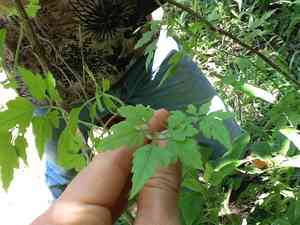
Cutleaf cyclanthera (Cyclanthera dissecta)
Also known as: Stuffed Cucumber, Kaywa, Achocha
The plant you're referring to is likely the cutleaf cyclanthera (Cyclanthera dissecta). This climbing herbaceous plant features deeply lobed leaves and tendrils that aid in its climbing. It bears small, inconspicuous flowers and produces elongated fruits that explosively release seeds. It thrives in warm climates, prefers well-drained soils, and is adaptable to different light conditions.
In This Article
Attributes of Cutleaf cyclanthera
Lifespan
Annual
Plant Type
Herb, Vine
Plant Height
1.5-3 meters
Spread
Spreads to about 1-2 meters
Leaf Color
Green
Flower Size
Small, less than 1 cm
Flower Color
Yellow or White
Images of Cutleaf cyclanthera
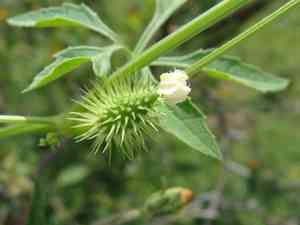
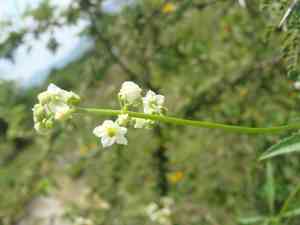
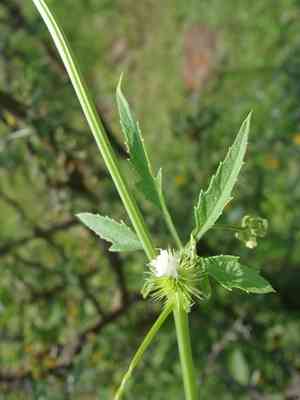
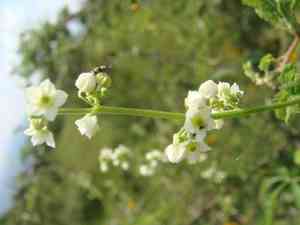
Quickly Identify Cutleaf cyclanthera
1
Identify Cyclanthera dissecta by its deeply lobed leaves, spiky cucumber-like fruits, and climbing habit facilitated by tendrils. The plant has a distinctive vine-like growth which makes it easily recognizable.
Scientific Classification of Cutleaf cyclanthera
Phylum
Vascular plants
Class
Dicotyledons
Order
Cucurbitales
Family
Gourd
Genus
Cyclanthera
Species
Cutleaf cyclanthera
Planting and Growing of Cutleaf cyclanthera
Care Difficulty
Moderate
Watering Schedule
Every 3 days
Sunlight Requirements
Partial sun
Sunshine Duration
4-6 hours
Ideal Temperature
65-75℉
Soil Type
Potting Mix, Peat Mix
Soil pH
6.5-7.5
Fertilizer Type
Balanced
Pruning Season
Spring, Summer
Pruning Area
Branches, Leaves
Pruning Frequency
2 times a year
Repotting Season
Spring
Pot Type
Plastic, Ceramic
 How to Water Cutleaf cyclanthera?
Cyclanthera dissecta prefers a consistent moisture level in the soil. Ideally, you should water until the soil feels moist to a depth of about 2 inches. This usually means around 250 milliliters of water per session, depending on the size of the pot and the climatic conditions.
What are the symptoms of an underwatered Cutleaf cyclanthera?
›
What should I do if my Cutleaf cyclanthera is not getting enough water?
›
What are the symptoms of an overwatered Cutleaf cyclanthera?
›
How to save an overwatered Cutleaf cyclanthera?
›
 What Are the Sunlight Requirements for Cutleaf cyclanthera?
Cyclanthera dissecta prefers partial sun to full sun. Ensuring moderate sun exposure will contribute to a robust growth pattern, supporting healthy foliage and potentially more abundant fruiting.
How much sunlight should Cyclanthera dissecta receive?
›
What are the practical steps to provide ideal light conditions?
›
What benefits does Cyclanthera dissecta gain from ideal light conditions?
›
 What Is the Ideal Temperature Range for Cutleaf cyclanthera?
Cyclanthera dissecta thrives best within a temperature range of 65°F to 75°F. This range mimics the mild tropical conditions where the plant originates. Maintaining this temperature range ensures optimal growth and vigor, as it helps the plant efficiently undergo photosynthesis and nutrient absorption.
 What Soil is Best for Cutleaf cyclanthera?
Cyclanthera dissecta thrives in well-drained soil. This requirement ensures that the roots do not stay waterlogged, which can lead to root rot. The sandy content aids in preventing water accumulation and supports healthy root development. The soil should be rich in organic content. Incorporating compost or well-rotted manure provides the essential nutrients needed for robust growth. This nutrient boost enhances flowering and fruit production, essential for ornamental and culinary use. Cyclanthera dissecta needs a soil that retains moisture without becoming soggy. A loam or sandy loam offers just the right balance, helping the plant to absorb water gradually, reducing stress on the plant during dry spells.
 How to Fertilize Cutleaf cyclanthera?
For Cyclanthera dissecta, use a balanced fertilizer diluted at half the recommended strength. Typical amounts should not exceed 10-15 grams per plant for solid fertilizers annually, or 5 ml of liquid fertilizer per liter of water biweekly during its active growing season.
 How to Prune Cutleaf cyclanthera?
Begin by identifying any dead or brown leaves and stems. Remove these to encourage the plant to focus its energy on healthy growth. This also helps prevent potential disease spread. Prune the tips of the stems to encourage lateral branching, which results in a bushier plant. This technique also helps moderate its rapid growth, keeping the plant tidy and compact. Since Cyclanthera dissecta can grow quite aggressively, trim back any excessively long or unmanageable stems. This will maintain the desired shape and prevent the plant from overwhelming nearby vegetation.
More About Pruning Techniques→
 How to Propagate Cutleaf cyclanthera plant?
1
Fill a seed tray with a well-draining seed starting mix. Lightly moisten the soil before sowing the seeds to ensure even moisture throughout the tray.
2
Scatter the Cyclanthera dissecta seeds over the surface of the prepared seed tray. Cover the seeds very lightly with additional soil, as they need light for germination.
3
Select healthy, non-flowering stems for cuttings. Cut the stem below a node, approximately 4-6 inches in length. Remove the lower leaves to prevent rot when planted.
 How to Repot Cutleaf cyclanthera plant?
1
Cyclanthera dissecta should be repotted when its growth appears stunted or roots circle the pot's edge. If water drains too quickly or roots peek through drainage holes, it's time for a new home. Optimal repotting is in spring or summer, aligning with its growth periods for minimal stress.
2
Select a pot that is 1-2 inches larger in diameter than your current one. Ensure it has drainage holes to prevent waterlogging. A slightly larger pot allows roots more room to expand, promoting healthy growth and reducing the risk of root-bound conditions.
3
Opt for well-draining, organic-rich soil to keep Cyclanthera dissecta healthy. This mixture ensures adequate moisture retention while preventing root rot. A soil with coarse sand or perlite offers excellent aeration, providing the roots with much-needed oxygen.



