How to Propagate Cutleaf cyclanthera?
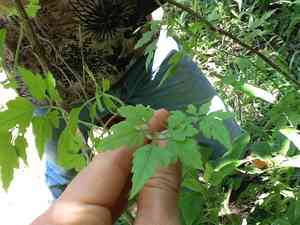
Cyclanthera pedata is a member of a plant family recognized for its robust climbing species, characterized by uniquely divided foliage and diminutive fruits. Reproduction is chiefly achieved by planting seeds in adequately draining substrate, ensuring consistent dampness until sprouting occurs. Employ climbing structures to facilitate upward growth and select a brightly lit spot for peak maturation. Continuously observe and regulate hydration levels, preventing excessive saturation. Employ recently harvested seeds to enhance successful outcomes.
Optimal Period for Propagating Cutleaf Cyclanthera
Propagation Method
Seeding
Propagation Season
Spring
Tools Utilized in Cutleaf Cyclanthera Propagation
Seed Trays
Seed trays offer a controlled setting for planting cutleaf cyclanthera seeds. They ensure seedlings have ample room, drainage, and air circulation for robust root development.
Seed Starting Mix
A sterile, well-draining seed starting mix is vital for cutleaf cyclanthera. This blend prevents pathogens and provides the ideal texture for germination and seedling growth.
Humidity Dome
Humidity domes maintain high moisture levels around cutleaf cyclanthera seeds, encouraging quicker and more uniform germination. They also prevent seeds from drying out.
Heat Mat
Heat mats help maintain an ideal soil temperature for cutleaf cyclanthera seed germination, crucial in cooler climates for consistent and timely sprouting.
Labeling Sticks
Tracking sowing dates and plant varieties is simplified with labeling sticks. These assist gardeners in monitoring cutleaf cyclanthera's progress and ensuring proper care at each stage.
Watering Can with Fine Rose
A watering can with a fine rose ensures gentle irrigation for cutleaf cyclanthera seedlings, preventing soil disruption and providing even moisture without saturation.
Transplanting Trowel
When cutleaf cyclanthera seedlings are ready for transplanting, a trowel is essential for carefully moving them into larger pots or the garden with minimal root disturbance.
Spray Bottle
A spray bottle allows for gentle misting of cutleaf cyclanthera seedlings, maintaining necessary humidity without excessive watering.
How to Propagate Cutleaf Cyclanthera?
Propagation Type
Simple
Caring for Your Newly Propagated Cutleaf Cyclanthera
Caring for Your Newly Propagated Cutleaf Cyclanthera?
After propagation, cutleaf cyclanthera needs consistent watering to keep the soil uniformly moist, but avoid overwatering. A balanced, water-soluble fertilizer every two weeks supports healthy growth. Provide full sun to partial shade and good air circulation to prevent fungal issues. Regularly check for pests and diseases, and offer support like trellises if vining occurs.
Common Errors to Avoid When Propagating Cutleaf Cyclanthera
Overwatering
Excessive water can lead to root rot, which is harmful to cutleaf cyclanthera's health and can impede successful propagation.
Using the wrong soil
Improper soil lacking adequate drainage can suffocate roots and cause fungal infections.
Insufficient light
Not providing enough light can result in weak, elongated growth that hinders the propagation process.
Improper cutting techniques
Using dull tools or making incorrect cuts can damage plant tissue, making it harder for cutleaf cyclanthera to develop roots.
Tips For Propagating Cutleaf Cyclanthera
Use well-draining soil
Ensure the soil mix drains well to prevent waterlogging and support healthy root development.
Maintain moderate moisture levels
Keep the soil consistently moist but not saturated to encourage root growth without risking rot.
Provide adequate light
Place cutleaf cyclanthera in a spot with ample indirect light to promote strong, healthy growth.
Use clean, sharp tools
Always use clean, sharp tools for precise cuts, reducing infection risk and aiding faster root emergence.
Consider root hormone
Applying a rooting hormone can enhance root development and increase propagation success rates.



