How to Transplant Cycas pectinata?
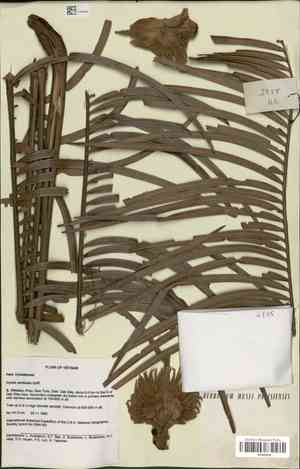
The optimal period for relocating cycas pectinata spans from the revitalizing warmth of early spring through the threshold of summer's beginning, facilitating vigorous development. Select a brightly lit, adequately draining site, and contemplate applying mulch to preserve soil hydration.
What Preparations are Needed Before Transplanting Cycas Pectinata?
What is the Ideal Time for Transplanting Cycas Pectinata?
The optimal period to relocate cycas pectinata is during the rejuvenation phase from late winter through early summer. This timing aligns with cycas pectinata's natural growth cycle, promoting strong root development in the warming soil, thereby increasing survival rates and aiding recovery from stress. Seize this chance to boost cycas pectinata's growth, ensuring a smooth move to its new spot. Helpful hint: Transplanting during this window allows cycas pectinata to benefit from the entire growing season, setting the stage for vigorous growth.
How Much Space Should You Leave Between Cycas Pectinata Plants?
When getting ready to move your cycas pectinata, you'll want to provide ample room for it to thrive. Aim for a distance of 6-8 feet (1.8-2.4 meters) between each plant. This will ensure they have sufficient space to grow without competing for nutrients or sunlight.
What is the Best Soil Mix for Cycas Pectinata Transplanting?
Before relocating cycas pectinata, enrich your garden with soil that drains effectively. A sandy loam is perfect. Incorporate a balanced, slow-release fertilizer to establish a strong foundation for growth. This will help your cycas pectinata receive the necessary nutrients from the start.
Where Should You Relocate Your Cycas Pectinata?
Select a site for your cycas pectinata that receives partial to full sun exposure. A location that gets morning sun and filtered afternoon shade would be excellent. Ensure the area receives at least 4-6 hours of sunlight daily to keep your cycas pectinata thriving and healthy.
What Equipments Should You Prepare Before Transplantation Cycas Pectinata?
Gardening Gloves
To safeguard your hands while handling soil and the plant.
Shovel or Spade
To excavate the plant and prepare the new planting site.
Wheelbarrow
For moving the plant and soil if necessary.
Pruning Shears
To trim any damaged roots or foliage.
Watering Can or Hose
For hydrating the plant before and after its relocation.
Stakes or Supports
If the cycas pectinata is large and requires assistance to stand upright.
Mulch
To help maintain soil moisture and protect the root area post-planting.
How Do You Remove Cycas Pectinata from the Soil?
How Do You Remove Cycas Pectinata from the Soil?
From Ground: First, water the cycas pectinata plant to moisten the soil. Then, using a shovel or spade, dig a wide trench around the plant, ensuring the plant's root ball remains intact. Work the spade beneath the root ball to carefully lift the plant from its original spot.From Pot: Water the cycas pectinata thoroughly to facilitate its removal. Turn the pot on its side, tap the bottom, and gently pull the plant out by the base of its trunk. If the plant is stuck, you may need to cut the pot.From Seedling Tray: Dampen the soil to make it easier to extract the cycas pectinata. With a spoon or a small tool, carefully lift the plant while preserving as much of its root system as possible.
Step-by-Step Guide for Transplanting Cycas Pectinata
Preparation
Ensure the new planting site has been readied in advance, clearing out weeds and other debris.
Digging the Hole
Excavate a hole that is twice the width of the cycas pectinata's root ball and the same depth to prevent planting too deeply.
Plant Positioning
Place the cycas pectinata in the center of the hole at the identical depth it was previously planted. The top of the root ball should be level with the surrounding ground.
Filling the Hole
Gently backfill the hole with the removed soil, lightly tamping down to eliminate air pockets without overly compacting the soil.
Stabilizing the Plant
If the cycas pectinata is unstable, insert stakes around it and secure it with soft ties, taking care not to harm the trunk or roots.
Watering
Water the cycas pectinata generously immediately after planting to settle the soil and hydrate the roots.
Mulching
Apply a layer of mulch around the base of the cycas pectinata, but keep it away from the trunk to prevent rot.
How Do You Care For Cycas Pectinata After Transplanting?
Regular Watering
Maintain consistent moisture around the cycas pectinata to encourage root establishment; avoid excessive watering which can lead to root decay.
Staking Check
Inspect stakes and ties regularly to ensure they are not harming the cycas pectinata and adjust as needed for growth.
Pruning
Trim any damaged fronds to direct the cycas pectinata's energy towards developing new roots.
Troubleshooting Common Issues with Cycas Pectinata Transplantation.
When's the best time to transplant cycas pectinata?
The optimal transplanting period is during spring's awakening, ideally from early to late spring.
How far apart should cycas pectinata be spaced when transplanting?
Ensure a generous distance of 6-8 feet (1.8-2.4 meters), allowing ample room for growth.
Why is my cycas pectinata showing signs of wilting after transplant?
Wilting can indicate shock. Provide sufficient water, some shade, and avoid disturbing the roots.
What should I do if the leaves of cycas pectinata yellow post-transplant?
Yellowing leaves may suggest stress. Check watering, drainage, and refrain from using fertilizers at this time.
Can cycas pectinata be transplanted on a hot day?
Avoid hot days. Overcast, cooler conditions reduce stress, making them ideal for relocating cycas pectinata.
How deep should the new hole be for my cycas pectinata?
The new hole should be as deep as the root ball, but twice as wide for root expansion.
Should I trim cycas pectinata before transplanting?
Trimming is not advised as it may add stress. Focus on preserving root integrity.
What kind of soil works best for transplanting cycas pectinata?
Use well-draining soil rich in organic matter to promote vigorous growth after transplant.
How much water does cycas pectinata need after being transplanted?
Water thoroughly after transplanting, then maintain consistent moisture without overwatering.
How to protect cycas pectinata from transplant shock?
Keep the roots moist during the process, replant swiftly, and ensure appropriate soil and light conditions.



