How to Prune Cycas pectinata?
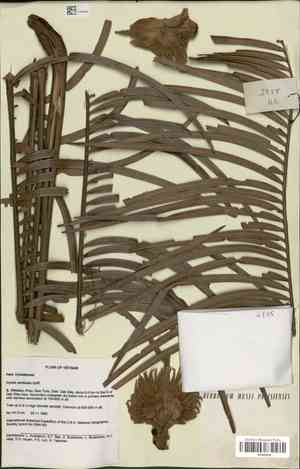
A member of an ancient group of seed-bearing flora, cycas pectinata is recognized for its expansive, pinnate foliage. Trim cycas pectinata by detaching deceased or discolored fronds at their origin, and severing offshoots to preserve its form. The most effective time for trimming is in late winter or early spring, facilitating vigorous development during the active growth period. Trimming improves the plant's well-being and aesthetic, but refrain from excessive pruning as it can cause strain to cycas pectinata. Disinfect implements to avert the spread of pathogens.
Advantages of Trimming Cycas Pectinata
Advantages of Trimming Cycas Pectinata
Trimming cycas pectinata promotes robust development and helps maintain its desired form. Strategic cutting back manages size, encourages new growth, and results in a more appealing look.
Optimal Period for Trimming Cycas Pectinata
Optimal Period for Trimming Cycas Pectinata
Trimming cycas pectinata in late winter or early spring aligns with the periods just before the plant's active growth phase. This timing is ideal because cycas pectinata is dormant, allowing for pruning without causing undue stress. In late winter, the risk of frost damage to fresh cuts is reduced, while early spring pruning precedes the growth surge, aiding in vigorous regeneration and shaping without affecting blooms or fruit. These seasons ensure quick healing of cuts, minimizing infection risk, and the plant can direct energy to healthy new growth, leading to a robust and well-maintained cycas pectinata.
Tools Required for Trimming Cycas Pectinata
Hand Pruners
Perfect for snipping off spent leaves and minor shaping. Cycas pectinata's leaves can be stiff and tough; therefore, sharp bypass pruners are recommended for clean cuts and reducing hand strain.
Loppers
Suitable for cutting thicker branches that might be too large for hand pruners. As cycas pectinata may occasionally develop larger, woody limbs, loppers will provide the necessary leverage and cutting power.
Pruning Saw
A fine-toothed pruning saw is necessary when dealing with the thickest branches of cycas pectinata. Saws enable pruning branches beyond the capacity of loppers without harming the plant.
Gloves and Protective Clothing
Due to cycas pectinata's stiff, potentially sharp foliage, it's crucial to wear gloves and long sleeves to protect the skin during the trimming process.
How to Trim Cycas Pectinata
Prepare Tools
Gather sanitized pruning tools like sharp scissors or shears to prevent infecting cycas pectinata.
Identify Diseased Leaves
Examine cycas pectinata closely and pinpoint the diseased and withered leaves that require removal.
Trim Diseased Leaves
Carefully cut the diseased leaves at their base, trimming as close to the trunk as possible without harming cycas pectinata's stem.
Trim Withered Leaves
Remove withered leaves using the same method, ensuring clean cuts to encourage healthy regrowth on cycas pectinata.
Cleanup
Dispose of all removed foliage properly to prevent the spread of any disease and to keep cycas pectinata's surroundings tidy.
Common Trimming Errors with Cycas Pectinata
Excessive Trimming
New gardeners might sometimes remove too many fronds from cycas pectinata, which can stress the plant and impede its ability to photosynthesize effectively.
Removal Of Green Fronds
Both new and experienced gardeners may mistakenly remove healthy, green fronds believing they are tidying the plant, which can weaken cycas pectinata as these fronds are vital for photosynthesis.
Incorrect Cutting Technique
Using an improper cutting technique, such as tearing the fronds instead of making a clean cut, can leave cycas pectinata susceptible to disease and pests.
Trimming Cone-Bearing Fronds
A mistake is to trim fronds that bear cones, as it can negatively impact the reproductive process and growth of cycas pectinata.
Ignoring Dead Fronds
Gardeners might sometimes overlook the removal of dead or dying fronds, which can attract pests and diseases to cycas pectinata.
Using Unclean Tools
Failing to sanitize pruning tools can introduce pathogens to the cuts on cycas pectinata, potentially leading to infections.
General Trimming Advice for Cycas Pectinata
Sharp Clean Tools
Utilize sharp, clean pruning shears or saws to ensure precise cuts, which helps cycas pectinata heal faster and lowers disease risk.
Disinfect Tools
Sanitize tools before and after trimming to prevent the spread of pests and diseases among cycas pectinata specimens or other plants.
Trim Carefully
Remove only the necessary brown, yellowing, or damaged fronds, and do so with care to protect the trunk and nearby healthy fronds of cycas pectinata.
Cut At Base
Always cut fronds at the base without leaving a stub, which promotes better healing and appearance for cycas pectinata.
Protective Gear
Wear gloves and protective clothing to avoid irritation from the sago palm's sharp fronds during trimming.
Monitor Health
Regularly check cycas pectinata for signs of stress or pest infestation after trimming, to take prompt corrective action if needed.



