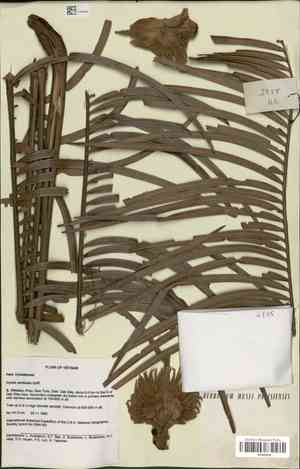
Cycas pectinata (Cycas pectinata)
Also known as: Peak Cycad, 齿叶苏铁, 穗状苏铁
Cycas pectinata is a slow-growing cycad indigenous to subtropical and tropical areas, featuring a robust trunk and a crown of long, feather-like pinnate leaves. The durable, glossy nature of its leaves indicates its ability to endure diverse weather conditions. The periodic emergence of large, unique cones is a testament to its ancient gymnosperm heritage. Its adaptability to nutrient-deficient soils further underscores its status as a remarkable survivor from prehistoric eras.
In This Article
Attributes of Cycas pectinata
Lifespan
Perennial
Plant Type
Palm
Plant Height
3 to 6 meters
Spread
2 to 4 meters
Leaf Color
Dark green
Flower Size
Not applicable (cycads are cone-bearing plants)
Flower Color
Not applicable
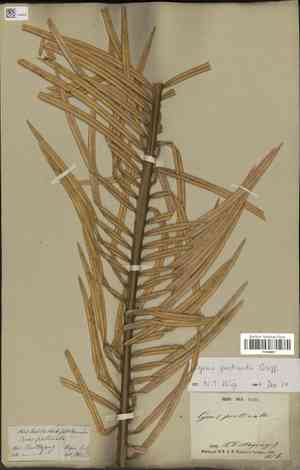
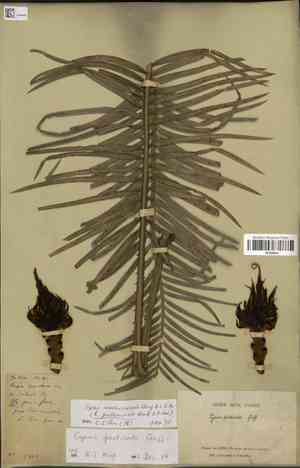
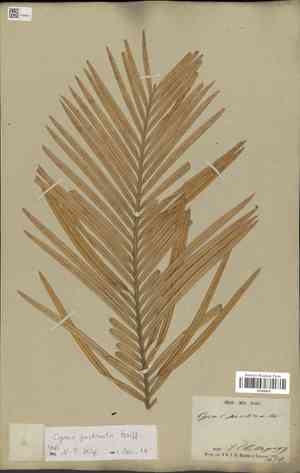
Images of Cycas pectinata
Quickly Identify Cycas pectinata
1
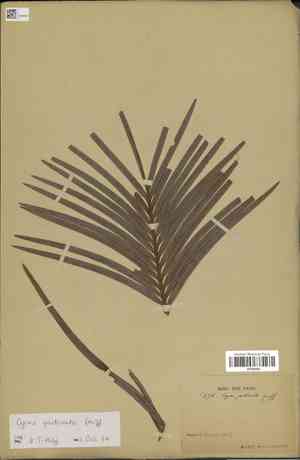
Cycas pectinata can be identified by its arching, pinnate leaves that have numerous, narrow leaflets arranged in a comb-like fashion. The trunk is usually marked with leaf scars. Distinguishing male and female plants can be done by examining the cones: males have smaller, elongated cones, while females have larger, more rounded cones.
Scientific Classification of Cycas pectinata
Phylum
Vascular plants
Class
Cycads
Order
Cycads
Family
Cycad
Genus
Cycas
Species
Cycas pectinata
Planting and Growing of Cycas pectinata
Care Difficulty
Easy
Watering Schedule
Every 2 days
Sunlight Requirements
Partial sun
Sunshine Duration
6-10 hours
Ideal Temperature
65-80℉
Soil Type
Potting Mix, Peat Mix
Soil pH
6.5-7.5
Fertilizer Type
Balanced
Pruning Season
Spring, Summer
Pruning Area
Branches, Leaves
Pruning Frequency
2 times a year
Repotting Season
Spring
Pot Type
Plastic, Ceramic
 How to Water Cycas pectinata?
For Cycas pectinata, watering should be done thoroughly but infrequently. The soil should be allowed to dry out slightly between waterings. A good rule of thumb is to provide about 500ml of water per session, ensuring it's enough to moisten the soil to a depth of at least 6 inches.
What are the symptoms of an underwatered Cycas pectinata?
›
What should I do if my Cycas pectinata is not getting enough water?
›
What are the symptoms of an overwatered Cycas pectinata?
›
How to save an overwatered Cycas pectinata?
›
 What Are the Sunlight Requirements for Cycas pectinata?
Cycas pectinata thrives in partial sun to light shade environments where it can enjoy the benefits of morning or late afternoon sun. Ideal lighting supports healthy leaf growth, coloration, and prevents etiolation.
What is the ideal lighting condition for Cycas pectinata?
›
How can you achieve the ideal lighting for Cycas pectinata?
›
What are the benefits of providing ideal lighting to Cycas pectinata?
›
 What Is the Ideal Temperature Range for Cycas pectinata?
The ideal temperature range for Cycas pectinata is between 65°F and 80°F. These temperatures provide a stable environment necessary for optimal growth and health of the plant. Maintaining this range ensures that the physiological processes of the plant function effectively, supporting photosynthesis and nutrient uptake.
 What Soil is Best for Cycas pectinata?
Cycas pectinata thrives in well-draining soil that prevents waterlogging, which can lead to root rot. Ensuring good drainage helps maintain the right moisture level, crucial for the plant’s growth and health. This plant prefers soil with moderate fertility to avoid nutrient burn. Balanced soil nutrients support healthy foliage and root development, enhancing the ornamental appeal and robustness of the plant. A neutral pH helps in maintaining optimal nutrient availability. Maintaining a pH level of 6.5 to 7.5 ensures that the plant can absorb the necessary nutrients for its robust growth and vibrant foliage.
 How to Fertilize Cycas pectinata?
When fertilizing Cycas pectinata, it's important to use a balanced 10-10-10 NPK fertilizer at a rate of one tablespoon per gallon of water for liquid feed. For slow-release granules, apply approximately 1 pound per year, evenly distributed over the soil at the start of the growing season. Adjust based on plant size and environmental conditions.
 How to Prune Cycas pectinata?
Begin by inspecting the Cycas pectinata for any dead, diseased, or damaged fronds, as these should be removed first. Look for signs of browning, wilting, or pest infestations to determine which fronds need to be cut. Trim back the older lower fronds close to the trunk once they start to turn yellow. This helps in redirecting the plant’s energy to newer growth and maintains its attractive appearance. Always cut at the base without harming the main trunk. To keep Cycas pectinata in a desired shape, carefully trim away any fronds that disrupt the overall symmetry. This could include those that grow in undesired directions or are excessively long compared to others.
More About Pruning Techniques→
 How to Propagate Cycas pectinata plant?
1
Obtain seeds from a reliable source or from mature cones of an existing Cycas pectinata. Ensure seeds are fresh and not dried out, as viability decreases with age.
2
Prepare a well-draining seed mix containing components like sand, perlite, and peat. This provides the necessary drainage and aeration required for seed germination.
3
Plant seeds in the prepared mix by embedding them about 1 inch deep. Cover lightly with the mix and water gently to ensure even moisture without waterlogging.
 How to Repot Cycas pectinata plant?
1
Cycas pectinata requires repotting when its roots start appearing through the drainage holes or when the plant growth seems stunted, indicating it has outgrown its current pot. Early signs also include the soil drying out more quickly than usual.
2
Choose a pot that is 2-3 inches larger in diameter than the current one. Ensure it has ample drainage holes to prevent root rot. A robust and slightly heavy container is best to accommodate the plant’s weight and balance it as it grows wider.
3
Opt for well-draining sandy soil to mimic the plant's natural habitat. This soil type prevents waterlogging and ensures the roots receive enough oxygen, contributing to the overall health and vigor of the plant.
Toxicity
Ingesting or significant physical contact with sap
WARNING
The judgment on toxicity and danger is for reference only. We DO NOT GUARANTEE any accuracy of such judgment. Therefore, you SHALL NOT rely on such judgment. It is IMPORTANT TO SEEK PROFESSIONAL ADVICE in advance when necessary.



