How to Transplant Colombian waxweed?
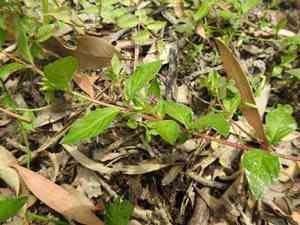
Relocate colombian waxweed during mid-spring, as consistent warmth fosters root integration. Select a bright spot featuring soil that drains effectively. Should it be necessary, trim sparingly to facilitate adaptation and direct energy towards root growth.
Preparations Required Before Relocating Colombian Waxweed
Optimal Period for Moving Colombian Waxweed?
The perfect time for transplanting colombian waxweed is during the peak of spring, a season known for growth and new beginnings. This timing allows colombian waxweed's roots to firmly establish themselves as the frost recedes and the soil warms, well before the intense heat of summer. Additionally, the mild temperatures and increased rainfall during this period create an ideal nurturing environment, promoting vigorous and graceful growth for colombian waxweed.
Recommended Spacing Between Colombian Waxweed Plants?
When preparing to rehome colombian waxweed, aim for a spacing of approximately 10-12 inches (25-30 cm) between each plant. This provides sufficient room for them to thrive and expand their root systems.
Best Soil Blend for Transplanting Colombian Waxweed?
For colombian waxweed, use a well-draining soil mixture enriched with compost to support its development. Prior to transplanting, fortify the soil with a balanced, slow-release fertilizer to give colombian waxweed a robust start.
Ideal Location for Your Colombian Waxweed?
Select a sunny spot for your colombian waxweed, as it thrives on sunlight! A location receiving full to partial sun will be perfect for ensuring your plant flourishes.
Equipment Needed Before Transplanting Colombian Waxweed?
Gardening Gloves
To safeguard your hands while handling soil and plants.
Shovel or Spade
For excavating and lifting the plant's root mass.
Watering Can or Hose
To moisten the soil before extraction and for post-transplant irrigation.
Gardening Trowel
For refining planting holes and moving small plants.
Pruning Shears
To trim any damaged roots or foliage.
Wheelbarrow or Garden Cart
To transport the colombian waxweed from one spot to another if required.
Organic Mulch
To aid in retaining soil moisture and regulating temperature around the new planting area.
How to Extract Colombian Waxweed from the Soil?
How to Extract Colombian Waxweed from the Soil?
From Ground: First, hydrate the colombian waxweed plant to moisten the soil. Next, dig a wide trench around the plant using a shovel or spade, ensuring the plant's root ball remains intact. Carefully work the spade beneath the root ball to lift the plant from its original position.From Pot: Water the colombian waxweed plant in its container to minimize root stress. Gently tap the pot's sides to loosen the soil and slide the root ball out. If the plant resists, roll the pot on its side and apply gentle pressure along the pot's edges to help ease the plant out while preserving the root ball's integrity.From Seedling Tray: Ensure the soil is damp before removal. Use a gardening trowel to carefully lift the colombian waxweed seedling from its tray cell by loosening the soil around the edges. Lift the seedling by the base of its stem, taking care not to harm the delicate roots.
Step-by-Step Guide for Relocating Colombian Waxweed
Initial Moistening
Water the colombian waxweed's soil gently but thoroughly a few hours before transplanting to lessen transplant shock and facilitate removal.
Hole Preparation
Dig a hole in the ground where the colombian waxweed will be transplanted, making it twice as wide as the root ball but no deeper. This extra space will allow the roots to spread and grow more easily.
Plant Placement
Position the colombian waxweed in the center of the hole so that the top of the root ball is level with the soil surface. This prevents the plant from being planted too deeply.
Fill In Soil
Gently backfill the hole around the root ball with soil, lightly compacting it to remove air pockets without overly compressing the soil.
Water Thoroughly
After planting, water the colombian waxweed generously to settle the soil and hydrate the plant, ensuring the root zone is reached.
Mulching
Apply a layer of organic mulch around the base of the colombian waxweed, keeping it away from the stem, to help retain moisture and regulate soil temperature.
Post-Transplant Care for Colombian Waxweed
Monitoring
Regularly inspect the colombian waxweed for indications of transplant shock, such as wilting leaves or stunted growth, and address promptly if observed.
Staking
If the colombian waxweed is tall or top-heavy, provide support with a stake to prevent leaning or uprooting by winds.
Ensuring Drainage
Observe the water drainage around the colombian waxweed's new site. Excessive watering can lead to root rot, so confirm the location allows for efficient excess water runoff.
Pruning
Trim any dead or damaged leaves and stems to direct the colombian waxweed's energy towards developing new growth.
Regular Maintenance
Continue routine care practices, including weeding around the plant and checking for pests or diseases.
Adaptability
Be patient as the colombian waxweed adjusts to its new surroundings, and refrain from fertilizing until it exhibits signs of new growth.
Resolving Common Issues with Colombian Waxweed Transplantation.
When is the best time to transplant colombian waxweed?
The ideal transplanting period is from mid-spring to late spring, once the risk of frost has passed.
What spacing should I maintain between colombian waxweed plants?
Space colombian waxweed approximately 10-12 inches (25-30 cm) apart to allow for ample growth and development.
Which soil conditions are most favorable for colombian waxweed after transplanting?
Transplant colombian waxweed into well-drained, fertile soil, with a good blend of organic matter.
How should I water colombian waxweed after transplanting?
Keep the soil consistently moist but not waterlogged after transplanting to help colombian waxweed establish its roots.
Should I fertilize colombian waxweed immediately after transplanting?
Wait 2-4 weeks post-transplant before applying a balanced, slow-release fertilizer to colombian waxweed.
How deep should I plant colombian waxweed seedlings?
Transplant colombian waxweed at the same depth they were grown in their original pots to prevent stem rot.
What sunlight conditions are optimal for colombian waxweed after transplanting?
Locate colombian waxweed in a sunny to partially shaded spot, ensuring they receive sufficient light daily.
How should I handle the colombian waxweed root ball during transplanting?
Gently separate any circling roots and place colombian waxweedâs root ball into a prepared hole.
What if colombian waxweed wilts after transplanting?
Provide light shade and consistent moisture. If wilting persists, inspect for root damage or pests.
Can I transplant colombian waxweed when it's blooming?
It is best to transplant colombian waxweed before or after its flowering stage to minimize stress and shock.



