How to Prune Colombian waxweed?
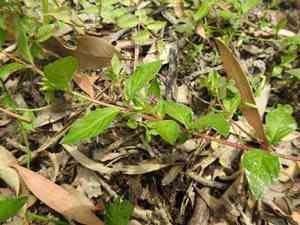
Originating from tropical regions, colombian waxweed is a adaptable botanical specimen recognized for its therapeutic properties and rapid development. To ensure peak vitality, snip off any lifeless or frail stalks at a 45-degree incline, which stimulates fresh shoots and preserves its form. Conduct pruning in spring prior to its growth surge, and carry out upkeep trimming during summer and autumn. Refrain from extensive winter pruning, as this can impede its spring revival. Consistent trimming boosts the plant's robustness and averts excessive density, crucial for both visual appeal and the plant's well-being.
What Are the Benefits of Pruning Colombian Waxweed?
What Are the Benefits of Pruning Colombian Waxweed?
Trimming colombian waxweed promotes robust development and helps preserve its form. Regular cutting eliminates dead or overgrown branches, ensuring peak plant health and visual appeal. This practice is vital for colombian waxweed's vigor and structural integrity.
What Is the Best Time for Pruning Colombian Waxweed?
What Is the Best Time for Pruning Colombian Waxweed?
Pruning colombian waxweed in the Spring is optimal as it aligns with the start of its active growth phase, allowing the plant to recover quickly and direct energy into new growth. Early Summer is also suitable, especially right after the initial flowering, to encourage a second bloom and maintain a desired shape. Trimming in the Fall is best for removing any dead or diseased foliage and preparing colombian waxweed for winter, without the risk of new growth being harmed by early frosts. These seasons match colombian waxweed's natural growth cycle, ensuring healthy development and abundant blooms while preventing stress and potential damage from ill-timed pruning.
What Tools Do I Need to Prune Colombian Waxweed?
Hand Pruners
Essential for making precise cuts on colombian waxweed, facilitating easy removal of dead or overgrown stems.
Pruning Snips
Useful for trimming delicate stems and foliage of colombian waxweed without causing harm to the plant.
Shears
Effective for shaping colombian waxweed and managing its spread, particularly if it grows densely.
Gloves
Protects the gardener's hands from colombian waxweed's potentially rough stems and any sharp pruning tools.
How to Prune Colombian Waxweed
Disinfect Tools
Before beginning, ensure your pruning shears are clean and sanitized to prevent disease spread to colombian waxweed.
Remove Withered Leaves
Carefully inspect colombian waxweed for withered leaves. Use your pruning shears to snip leaves at their base where they meet the stem, ensuring only dead or yellowing foliage is removed.
Thin Out Dense Areas
If colombian waxweed has dense leaf clusters, thin them to improve air circulation. Selectively remove some inner leaves, ensuring you don't strip more than one-third of the foliage from any single stem.
Shape Plant
After removing withered leaves, check colombian waxweed's overall shape. If needed, trim back any excessively long stems to maintain a balanced and aesthetically pleasing form.
Clean Up
Dispose of all pruned material and fallen debris from colombian waxweed to reduce the chance of pest or disease issues. Clean your tools again after finishing.
Common Pruning Mistakes with Colombian Waxweed
Overpruning
Removing too much foliage at once can stress colombian waxweed, leading to poor growth or increased vulnerability to pests and diseases.
Improper Tool Use
Using dull or unsanitary pruning tools can damage colombian waxweed's stems, potentially inviting infections or hindering recovery.
Pruning In Wet Conditions
Cutting colombian waxweed during wet weather can spread diseases, as moist conditions are favorable for pathogen growth and transmission.
Neglecting Hygiene
Failure to clean tools between cuts, especially when dealing with diseased plants, can transmit problems to healthy parts of colombian waxweed or to other plants.
Ignoring Plant Structure
Randomly cutting colombian waxweed without understanding its growth pattern can result in an unbalanced shape and may inhibit flowering.
Pruning Too Close To Nodes
Cutting too close to the growth nodes can damage them, potentially preventing colombian waxweed from producing new shoots effectively.
Common Pruning Tips for Colombian Waxweed
Selective Pruning
Focus on removing only the dead, damaged, or diseased stems from colombian waxweed to maintain plant health and appearance.
Use Sharp Tools
Employ clean, sharp pruning shears to make precise cuts, which will help colombian waxweed heal faster and reduce the risk of disease.
Angle Cuts
Cut at a 45-degree angle, just above a node where a leaf attaches to the stem, which promotes healthy regrowth and prevents water accumulation on the cut surface of colombian waxweed.
Staggered Pruning
For mature colombian waxweed, prune at different levels to encourage sunlight penetration and air circulation throughout the plant, which can enhance growth and flowering.
Light Shaping
Gently shape colombian waxweed to encourage a desirable growth form, remembering it's better to prune lightly and more frequently than to prune too much at once.
Post-Pruning Care
After pruning colombian waxweed, apply a balanced, slow-release fertilizer to support recovery and new growth, keeping in mind the specific nutritional needs of the species.



