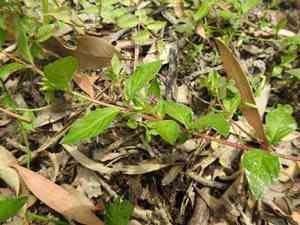
Colombian waxweed (Cuphea carthagenensis)
Also known as: Colombian cuphea
Lantana camara, known for its charming purple flowers, is a rapidly spreading invasive plant species that poses a threat to native flora in regions such as Australia. This plant forms dense thickets, which can significantly disrupt local ecosystems.
In This Article
Attributes of Colombian waxweed
Lifespan
Annual, Perennial
Plant Type
Herb
Plant Height
10 cm to 60 cm
Spread
30-60 cm
Leaf Color
Green
Flower Size
4.5 mm to 7 mm
Flower Color
White Pink Purple
Images of Colombian waxweed

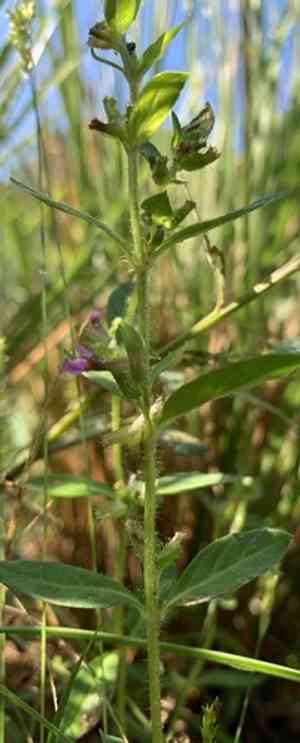


Quickly Identify Colombian waxweed
1
Look for a sprawling herb with small, tubular purple to violet flowers. Leaves are opposite, lanceolate, and have a noticeable midrib. The plant often has a hairy texture.
Scientific Classification of Colombian waxweed
Phylum
Vascular plants
Class
Dicotyledons
Order
Myrtales
Family
Loosestrife
Genus
Cupheas
Species
Colombian waxweed
Planting and Growing of Colombian waxweed
Care Difficulty
Easy
Watering Schedule
Every 8 days
Sunlight Requirements
Full sun
Sunshine Duration
4-8 hours
Ideal Temperature
65-75℉
Soil Type
Potting Mix, Peat Mix
Soil pH
6.5-7.5
Fertilizer Type
Balanced
Pruning Season
Spring, Summer
Pruning Area
Branches, Leaves
Pruning Frequency
2 times a year
Repotting Season
Spring
Pot Type
Plastic, Ceramic
 How to Water Colombian waxweed?
For Cuphea carthagenensis, the watering principle is simple: keep the soil consistently moist but not soggy. Water until the top inch feels damp—around 250 ml should suffice each session, depending on the pot size and soil drainage.
What are the symptoms of an underwatered Colombian waxweed?
›
What should I do if my Colombian waxweed is not getting enough water?
›
What are the symptoms of an overwatered Colombian waxweed?
›
How to save an overwatered Colombian waxweed?
›
 What Are the Sunlight Requirements for Colombian waxweed?
Cuphea carthagenensis prefers full to partial sunlight, meaning it benefits from 6 to 8 hours of sunlight per day. Adequate light fosters lush growth and picturesque blooms, enhancing its garden or indoor display.
More About Sunlight Requirements Techniques→
What is the ideal light condition?
›
How to achieve optimal light exposure?
›
Benefits of ideal lighting?
›
 What Is the Ideal Temperature Range for Colombian waxweed?
Cuphea carthagenensis thrives best in a temperature range of 65 to 75°F. This range ensures optimal growth and flowering by providing enough warmth without overstressing the plant's physiological processes. This range also helps maintain sufficient humidity levels, which are crucial for plant health.
 What Soil is Best for Colombian waxweed?
Cuphea carthagenensis thrives in well-drained soil to prevent root rot. Good drainage ensures that excess water doesn't stagnate at the roots, promoting healthy plant growth. This plant prefers soil that is rich in organic matter. A fertile medium supports vigorous growth, leading to lush foliage and vibrant blooms. While it enjoys moisture, the soil should neither be too wet nor too dry. Maintaining consistent moisture prevents stress and supports sustained growth and flowering.
 How to Fertilize Colombian waxweed?
Cuphea carthagenensis benefits from a balanced fertilizer mix. For liquid fertilizers, use a diluted solution at half the strength recommended on the package. For solid fertilizers, sprinkle a quarter cup of slow-release granules evenly around the base of the plant. This helps to supply essential nutrients slowly over time, which is ideal for its growth.
 How to Prune Colombian waxweed?
Start by identifying any dead, diseased, or damaged stems. Removing these parts helps in preventing disease spread and encourages healthier growth. Trim the plant to maintain its natural shape. Cuphea carthagenensis has a bushy form, so aim to enhance this by selectively trimming stems that disrupt the flow. If your Cuphea carthagenensis is becoming too large, prune to control its size. Focus on cutting back the longest stems to keep a compact and tidy appearance.
More About Pruning Techniques→
 How to Propagate Colombian waxweed plant?
1
Collect seeds from mature Cuphea carthagenensis plants. Ensure they are fully ripe and dry them properly before sowing. Seeds should be sown in a well-draining mixture.
2
Select healthy stems and cut them at a 45-degree angle. Remove the lower leaves to prevent rot and dip the cutting in rooting hormone to enhance root development.
3
Carefully dig up the established plant and divide its root mass into smaller sections. Each section should have roots and shoots to ensure successful growth when replanted.
 How to Repot Colombian waxweed plant?
1
You should consider repotting Cuphea carthagenensis when you observe roots growing out of the pot's drainage holes. Another indicator is slowed growth, as it signals that the plant has become root-bound. It's optimal to repot during the growing season for minimal stress.
2
Choose a pot that is one size larger than the current one. Opt for a container with ample drainage holes to prevent waterlogging. Using a slightly larger pot allows room for growth, ensuring the plant remains healthy and doesn't become root-bound quickly.
3
Select a well-draining potting mix rich in organic matter. This soil type provides the necessary nutrients while allowing excess water to escape, minimizing the risk of root rot. A light, aerated soil helps sustain growth and promotes vigorous root development.



