How to Transplant Gooseberry gourd?
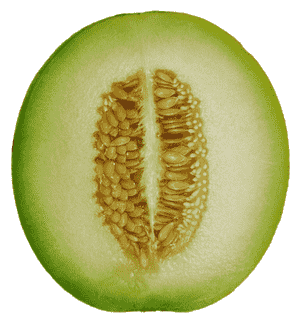
Relocate gooseberry gourd from mid-spring to the end of spring for peak development. Select bright areas featuring soil that drains effectively. When moving, proceed with care and prevent upsetting the roots to encourage proper settling.
What Preparations are Needed Before Transplanting Gooseberry Gourd?
What is the Ideal Time for Transplanting Gooseberry Gourd?
Gooseberry gourd, an annual plant, flourishes when moved in the heart of spring. This period, spanning mid-to-late spring, provides ideal soil warmth and consistent moisture, vital for root establishment. Relocating during this time maximizes growth potential, leading to strong development and increased yields. Proper timing ensures the plant fully utilizes the entire growing season.
How Much Space Should You Leave Between Gooseberry Gourd Plants?
Ensure gooseberry gourd plants are spaced 36-48 inches (91-122 cm) apart. This provides ample room for growth and prevents crowding, which supports healthy development and reduces disease risk.
What is the Best Soil Mix for Gooseberry Gourd Transplanting?
Prepare well-draining soil enriched with organic compost before moving gooseberry gourd. The soil should be loamy and slightly sandy. You can incorporate a balanced base fertilizer, such as a 10-10-10 (N-P-K) formula, to supply essential plant nutrients.
Where Should You Relocate Your Gooseberry Gourd?
Select a sunny location for transplanting gooseberry gourd, as it thrives best in full sunlight. Ensure the spot receives at least 6-8 hours of direct sun daily to encourage vigorous growth and high yield.
What Equipments Should You Prepare Before Transplantation Gooseberry Gourd?
Gardening Gloves
To safeguard your hands while handling soil and plants.
Hand Trowel
For digging small holes and managing soil around the plant.
Shovel
For excavating larger holes and trenches near the plant.
Watering Can or Hose
To hydrate the plant before and after relocation.
Garden Fork
To loosen the soil around the plant if extracting it from the ground.
Wheelbarrow (optional)
To move the plant if it's large or the distance is considerable.
Plant Labels (optional)
To mark the position or type of the transplanted gooseberry gourd.
Stakes and Ties (optional)
To support the plant if it needs extra stability after being moved.
How Do You Remove Gooseberry Gourd from the Soil?
How Do You Remove Gooseberry Gourd from the Soil?
From Ground: First, water the gooseberry gourd plant to moisten the soil. Then, dig a wide trench around the plant using a shovel or spade, ensuring the plant's root ball stays intact. Carefully work the spade beneath the root ball to lift the plant from its original spot.From Pot: Begin by watering the gooseberry gourd in its container. Gently tilt the pot sideways and lightly squeeze its sides to loosen the soil. Carefully grasp the base of the plant and slide it out, taking care not to harm the roots.From Seedling Tray: Water the gooseberry gourd seedling in its tray. Using a hand trowel, gently pry the seedling out, ensuring to keep as much soil around the roots as possible.
Step-by-Step Guide for Transplanting Gooseberry Gourd
Prepare the Site
Ensure the chosen location is well-prepared by removing weeds and loosening the soil with a shovel or spade.
Dig the Hole
Excavate a hole in the prepared site that is twice as wide and the same depth as the gooseberry gourd's root ball. This allows roots ample space to spread.
Remove the Plant
Carefully extract the gooseberry gourd from its original location using the appropriate method (ground, pot, or seedling tray).
Place the Plant
Position the gooseberry gourd in the hole, ensuring it sits at the same depth as it was previously growing. The top of the root ball should be level with the surrounding soil.
Backfill the Hole
Gently fill in the hole with the soil initially removed, and lightly tamp down to eliminate air pockets, being careful not to compact the soil too much.
Water the Plant
Thoroughly water the gooseberry gourd immediately after transplanting to help settle the soil around the roots.
Provide Support
If the plant requires support, use stakes and ties to help it remain upright and stable as it establishes.
How Do You Care For Gooseberry Gourd After Transplanting?
Watering
Keep the soil around the gooseberry gourd consistently moist, but not waterlogged, for the initial weeks after transplanting to aid in strong root establishment.
Mulching
Apply a layer of mulch around the plant's base to retain soil moisture and suppress weed growth.
Monitoring
Regularly inspect the gooseberry gourd for signs of stress, such as wilting or discoloration, and adjust care as needed.
Protection
Provide shade cloth or temporary barriers if the weather becomes extremely hot or windy to safeguard the newly transplanted gooseberry gourd.
Fertilizing
Avoid fertilizing immediately after transplanting to prevent root burn. Wait a few weeks before applying a balanced fertilizer.
Troubleshooting Common Issues with Gooseberry Gourd Transplantation.
When is the best time to transplant gooseberry gourd?
The optimal time to transplant gooseberry gourd is mid to late spring for best growth.
How much space should I leave between plants?
Allow 36-48 inches (90-120 cm) of space between each plant for healthy development.
What type of soil is ideal for gooseberry gourd?
Well-draining, fertile soil rich in organic matter is perfect for gooseberry gourd.
How do I avoid transplant shock in gooseberry gourd?
Gradually introduce gooseberry gourd to outdoor conditions and water thoroughly before and after transplanting.
How deep should I plant gooseberry gourd transplants?
Plant gooseberry gourd transplants at the same depth they were in their original containers.
What should I do if the leaves turn yellow?
Yellow leaves might indicate overwatering or poor drainage. Adjust your watering and check soil drainage.
Is mulching necessary for gooseberry gourd after transplanting?
Yes, apply mulch to retain moisture, control weeds, and maintain consistent soil temperature.
How often should I water gooseberry gourd after transplanting?
Water thoroughly right after transplanting and keep the soil consistently moist but not saturated.
Can I transplant gooseberry gourd in hot weather?
Avoid transplanting in hot weather; it's better to transplant in cooler mid to late spring.
Do I need to fertilize gooseberry gourd after transplanting?
Yes, use a balanced fertilizer to encourage healthy growth after transplanting gooseberry gourd.



