How to Propagate Gooseberry gourd?
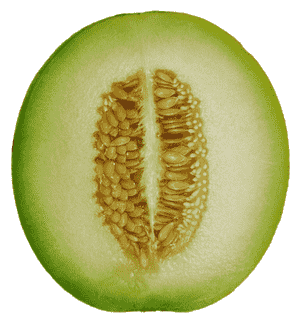
Gooseberry gourd flourishes in adequately drained earth under direct sunlight. Direct seeding into prepared garden plots represents the most efficient approach. Verify that the ground is pliable and devoid of unwanted vegetation. Embed seeds approximately one inch deep, ensuring sufficient spacing for future development. Maintain consistent soil moisture until sprouts appear, subsequently decreasing irrigation to prevent root decay.
What Is the Best Time To Propagate Gooseberry Gourd?
Propagation Type
Sowing
Propagation Season
Spring
What Tools Are Used in Gooseberry Gourd Propagation?
Seed Trays
Seed trays offer a controlled setting for planting gooseberry gourd seeds. They aid in organizing seedlings and ensure proper drainage, crucial for preventing waterlogging and fostering robust root development.
Seed Compost
Specialized seed compost provides the correct nutrient balance, good drainage, and fine texture, ensuring optimal germination conditions for gooseberry gourd. It helps maintain moisture while preventing diseases that can affect young seedlings.
Propagation Domes
Propagation domes create a humid environment and retain warmth, which are crucial for the germination of gooseberry gourd seeds. They help in maintaining consistent moisture levels and temperature, encouraging faster and more uniform germination.
Label Markers
Label markers are essential to keep track of different stages of gooseberry gourd propagation, ensuring you can identify seedlings and monitor their progress. This is particularly useful when propagating multiple varieties or batches.
Spray Bottle
A spray bottle ensures gentle and even watering of gooseberry gourd seeds and seedlings, preventing the disturbance of soil and seed placement. This tool helps maintain the right moisture level without overwatering.
Heat Mat
A heat mat provides bottom heat, which can significantly improve the germination rate of gooseberry gourd by maintaining soil temperature within the optimal range. This is especially useful in cooler climates or early spring propagation.
Sieve
A sieve is useful for creating a fine layer of soil or vermiculite over sown seeds, ensuring good seed-to-soil contact for gooseberry gourd. This layer protects the seeds and helps retain moisture for better germination rates.
How to Propagate Gooseberry Gourd?
Propagation Type
Easy
How to Care for Your Newly Propagated Gooseberry Gourd?
How to Care for Your Newly Propagated Gooseberry Gourd?
After propagation, water gooseberry gourd consistently during its growth period, allowing the soil to dry slightly between waterings to prevent root rot. Fertilize every 4-6 weeks with a balanced, water-soluble fertilizer to support growth. Provide support structures like trellises if needed, as gooseberry gourd can grow as a vine. Monitor for pests and diseases, treating as necessary, and prune as needed to encourage healthy growth and fruit production.
Common Mistakes to Avoid When Propagating Gooseberry Gourd
Overwatering
Excessive water can lead to root rot, negatively impacting gooseberry gourd's growth. The plant prefers well-drained soil to maintain optimal health.
Improper Soil Selection
Using soil that retains too much moisture or lacks proper nutrients can hinder gooseberry gourd's growth. Sandy, well-drained soil is ideal for this species.
Lack of Sunlight
Insufficient sunlight can cause weak growth and reduce the plant's vigor. Gooseberry gourd requires full sun to thrive and produce fruit.
Incorrect Spacing
Planting gooseberry gourd too close together can result in poor air circulation, increasing the risk of fungal diseases. Adequate spacing ensures better air flow and healthier plants.
Neglecting Pest Control
Ignoring pest management can lead to infestations, particularly from aphids and beetles, which can damage gooseberry gourd significantly.
Tips For Propagating Gooseberry Gourd
Consistent Watering
Water gooseberry gourd regularly, allowing the soil to dry out slightly between waterings to prevent root rot.
Use Well-Drained Soil
Opt for sandy or loamy soil that ensures good drainage while providing essential nutrients.
Ensure Full Sun Exposure
Plant gooseberry gourd in a location where it can receive at least 6-8 hours of direct sunlight daily.
Maintain Adequate Spacing
Space gooseberry gourd plants adequately to ensure good air circulation and reduce the risk of disease.
Monitor for Pests
Regularly check gooseberry gourd for signs of pests and treat promptly to prevent significant damage. Use organic or chemical controls as needed.



