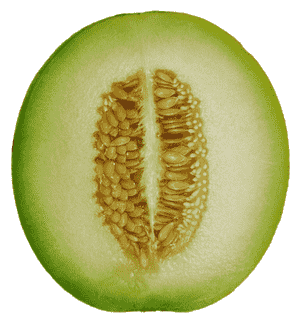
Gooseberry gourd (Cucumis myriocarpus)
Also known as: Striped wild cucumber, Prickly paddymelon
Delving into the world of unique plants, the bur cucumber (Sicyos angulatus) stands out with its intriguing characteristics. This plant brings a distinct flavor to salads and features small, spiky fruits ideal for pickling. Handling it can be challenging due to its spiky leaves and tangled vines. Additionally, its anti-ivory properties make it effective in deterring elephants.
In This Article
Attributes of Gooseberry gourd
Lifespan
Annual
Plant Type
Herb, Vine
Plant Height
Up to 1 meter when climbing, otherwise prostrate
Spread
Not applicable as it is a herbaceous plant
Leaf Color
Green
Flower Size
Approximately 1-2 cm
Flower Color
Yellow
Images of Gooseberry gourd
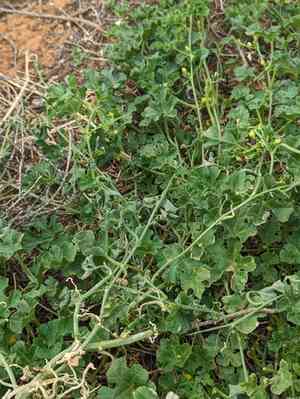
Quickly Identify Gooseberry gourd
1
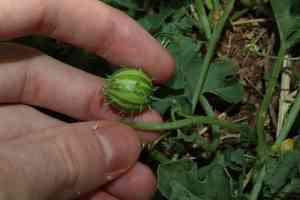
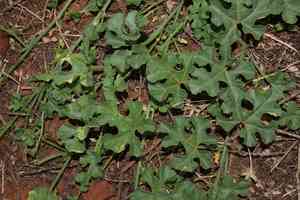
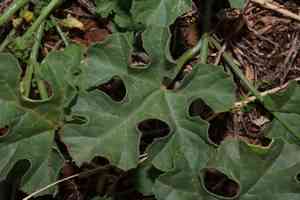
Identification of Cucumis myriocarpus involves looking for its distinct deeply lobed leaves, small yellow flowers, and prickly fruits that are roughly the size of a golf ball. The fruits are green with darker green stripes and become yellowish as they mature.
Scientific Classification of Gooseberry gourd
Phylum
Vascular plants
Class
Dicotyledons
Order
Cucurbitales
Family
Gourd
Genus
Melon
Species
Gooseberry gourd
Planting and Growing of Gooseberry gourd
Care Difficulty
Moderate
Watering Schedule
Every 4 days
Sunlight Requirements
Full sun
Sunshine Duration
6-10 hours
Ideal Temperature
68-77℉
Soil Type
Potting Mix, Peat Mix
Soil pH
6.5-7.5
Fertilizer Type
Balanced
Pruning Season
Spring, Summer
Pruning Area
Branches, Leaves
Pruning Frequency
2 times a year
Repotting Season
Spring
Pot Type
Plastic, Ceramic
 How to Water Gooseberry gourd?
Cucumis myriocarpus requires 250 ml of water per session. It is vital to ensure the soil is evenly moist but not waterlogged. Water thoroughly until the excess starts to seep out from the drainage holes, which ensures the roots receive sufficient moisture without becoming saturated.
What are the symptoms of an underwatered Gooseberry gourd?
›
What should I do if my Gooseberry gourd is not getting enough water?
›
What are the symptoms of an overwatered Gooseberry gourd?
›
How to save an overwatered Gooseberry gourd?
›
 What Are the Sunlight Requirements for Gooseberry gourd?
Cucumis myriocarpus ideally thrives in full sun, receiving six to eight hours per day, promoting robust growth, heightened photosynthesis, and optimal fruit production.
What is the ideal light?
›
How to achieve ideal lighting?
›
Benefits of ideal lighting conditions?
›
 What Is the Ideal Temperature Range for Gooseberry gourd?
Cucumis myriocarpus thrives in warm environments where temperatures range between 68°F to 77°F. This range is ideal as it supports optimal metabolic processes, including photosynthesis and respiration, ensuring robust growth and fruit production.
 What Soil is Best for Gooseberry gourd?
Cucumis myriocarpus thrives best in well-draining soils that prevent waterlogging and root rot. Ensuring proper drainage mimics its natural habitat conditions, promoting healthy growth and abundant fruiting. This plant requires soils with moderate fertility. It benefits from a balanced nutrient supply, which supports its vigorous vine growth without excessive leafiness which can compromise fruit yield. Incorporating organic matter like compost improves soil structure and nutrition, encouraging strong root development. This enrichment helps Cucumis myriocarpus to better resist drought and pests.
 How to Fertilize Gooseberry gourd?
Cucumis myriocarpus prefers a moderate fertilization. Use 20 grams of granulated fertilizer per young plant, gradually increasing the amount to 50 grams for mature plants. Liquid fertilizers should be applied at 10 ml per liter of water once every two weeks. Excessive amounts can cause root burn, while too little leads to poor growth.
 How to Prune Gooseberry gourd?
To effectively prune Cucumis myriocarpus, begin by sterilizing your tools to prevent the spread of disease. Then, identify any dead or damaged leaves and stems and remove them first. Focus on cutting away any overly dense areas to improve airflow and light penetration. Trim back any excessively long or unruly stems to maintain the plant shape, making cuts just above a node. Regularly monitor the plant for any signs of overcrowding or disease to ensure its vitality.
More About Pruning Techniques→
 How to Propagate Gooseberry gourd plant?
1
Choose high-quality seeds from a reputable supplier. Ensure they are disease-free and not expired for better germination rates. Inspect seeds for any visible damage before planting.
2
Use a well-draining potting mix suitable for cucumbers. Mix in some organic compost to enrich the soil. Ensure the soil is loose and crumbly to encourage root growth.
3
Place seeds in the prepared soil surface and cover them lightly with soil. Plant them at the recommended depth (1-2 cm) depending on the size of the seeds. Ensure even spacing for optimal growth.
 How to Repot Gooseberry gourd plant?
1
Cucumis myriocarpus typically needs repotting when you notice roots creeping out of drainage holes or circling the pot's edges. This can cause stress to the plant and indicate that it's time for a larger home. Spring and summer seasons are ideal as the plant is in active growth, allowing it to recover better from root disturbance.
2
Select a pot that is one size larger than the current one with adequate drainage holes. The right pot prevents waterlogging and root rot by ensuring excess water can escape easily. A slightly larger pot gives the roots room to expand, promoting healthier growth.
3
Opt for a well-draining cactus mix, which usually includes sand or perlite. This soil type mimics the plant's natural habitat, helping prevent water retention, which can cause root rot. This setup ensures the growing medium stays aerated and allows optimal growth for your Cucumis myriocarpus.
Toxicity
Ingestion
WARNING
The judgment on toxicity and danger is for reference only. We DO NOT GUARANTEE any accuracy of such judgment. Therefore, you SHALL NOT rely on such judgment. It is IMPORTANT TO SEEK PROFESSIONAL ADVICE in advance when necessary.



