How to Transplant Parsley fern?
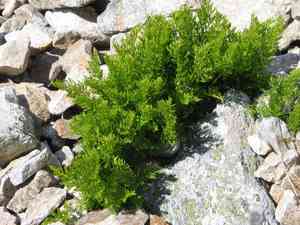
The optimal period for relocating parsley fern is during the abundant warmth spanning from late spring to early summer, enabling its root system to become well-established prior to the colder months. Select a shaded location featuring damp earth. Careful manipulation is crucial to safeguard its fragile foliage.
What Preparations are Needed Before Transplanting Parsley Fern?
What is the Ideal Time for Transplanting Parsley Fern?
The best time to move parsley fern is from late spring through early summer. During this period, mild weather helps parsley fern's roots settle before summer heat or autumn cold, promoting healthier, stronger growth. This timing leverages the natural post-winter growth spurt of perennials, giving parsley fern the best chance to adapt and thrive in its new spot. Transplanting then minimizes shock, benefiting from moderate temperatures and increasing daylight, which support root and foliage development. By transplanting parsley fern in this favorable season, you align with nature's cycle, ensuring a smooth transition and a lush, green display.
How Much Space Should You Leave Between Parsley Fern Plants?
When getting ready to plant your parsley fern, aim to give each small fern ample room to grow. Placing them approximately 6-12 inches (15-30 cm) apart should work well, ensuring they are neither too isolated nor too crowded!
What is the Best Soil Mix for Parsley Fern Transplanting?
For your parsley fern, you'll want to prepare the soil just right! Choose well-draining soilâit prefers to stay damp but not waterlogged. Incorporate some compost or a balanced, slow-release fertilizer to provide a nourishing welcome to their new home.
Where Should You Relocate Your Parsley Fern?
Your parsley fern enjoys some sun exposure, but not too much! Find a location that receives filtered sunlight or partial shadeâa spot that mimics a light forest canopy will be perfect for these green plants.
What Equipments Should You Prepare Before Transplantation Parsley Fern?
Gardening Gloves
To safeguard your hands while handling soil and plants.
Trowel
To excavate and refine planting holes or assist in removing the plant if it's in a small container.
Spade or Shovel
For digging around and beneath the plant if it is being removed from the ground.
Watering Can or Hose with a Gentle Spray
For hydrating the plant before and after its relocation.
Pruning Shears
To snip off any dead or damaged fronds.
Wheelbarrow or Garden Cart
For moving soil and the plant.
Root Pruning Knife (optional)
For cutting through dense root masses if necessary.
How Do You Remove Parsley Fern from the Soil?
How Do You Remove Parsley Fern from the Soil?
From Ground: First, water the parsley fern plant to moisten the soil. Then, dig a wide trench around the plant using a shovel or spade, ensuring the plant's root ball remains intact. Carefully work the spade under the root ball to lift the plant from its original location.From Pot: Water the parsley fern plant to facilitate its removal. Tilt the pot on its side and gently tap the bottom to loosen the plant. Gradually ease the plant out, making sure to support the root ball as it comes free.From Seedling Tray: Water the seedlings. Use a trowel or a suitable tool to gently lift the parsley fern seedling out of the tray, supporting the root ball to prevent any damage to the delicate roots.
Step-by-Step Guide for Transplanting Parsley Fern
Preparation
Gently water the parsley fern plant to ease its removal and lessen transplant shock.
Digging the Hole
At the new site, excavate a hole that is twice as wide and of the same depth as the plant's current root ball.
Root Pruning (if necessary)
If the roots are tightly coiled or matted, gently separate them or use a root pruning knife to make vertical cuts.
Placing parsley fern
Carefully lower the parsley fern into the center of the hole, ensuring it stands upright.
Backing Soil
Refill the hole with the excavated soil, gently firming it around the roots to eliminate air pockets.
Watering
Thoroughly water the transplanted parsley fern to settle the soil and ensure good contact between roots and earth.
Mulching
Apply a layer of mulch around the base of parsley fern to help retain moisture and regulate soil temperature.
How Do You Care For Parsley Fern After Transplanting?
Monitoring
Regularly check the soil moisture level around parsley fern to ensure it's neither too dry nor waterlogged.
Pruning
Remove any fronds that were damaged during the transplant to encourage new growth.
Supporting
If the parsley fern appears unstable, use supports to stabilize it until the roots establish themselves in the new location.
Adaptation
Look for signs that parsley fern is adjusting to its new environment, such as fresh growth. Be patient as parsley fern may require some time to settle in.
Troubleshooting Common Issues with Parsley Fern Transplantation.
When is the best time to transplant parsley fern?
Ideally, transplant parsley fern during the cooler months of late spring to early summer for optimal root establishment.
How far apart should I space parsley fern when transplanting?
Space parsley fern about 6-12 inches (15-30 cm) apart. This allows sufficient room for growth while maintaining a lush appearance.
Why are my transplanted parsley fern wilting?
Wilting post-transplant can be due to shock. Ensure gentle root handling, appropriate watering, and partial shade initially to help them recover.
How deep should I plant parsley fern roots when transplanting?
Plant parsley fern so that the crowns are just at soil level. Too deep can cause rot, too shallow can dry out roots.
Can I transplant parsley fern on a hot sunny day?
It's best to transplant parsley fern on a cloudy day or in the late afternoon to reduce stress from heat and sun exposure.
How much should I water parsley fern after transplanting?
Water parsley fern thoroughly after transplanting to settle the soil around the roots, then maintain consistent moisture, but don't overwater.
Should I use fertilizer when transplanting parsley fern?
Avoid strong fertilizers initially. Use a balanced slow-release fertilizer or compost to gently support growth without burning fragile roots.
My parsley fern look droopy after transplanting, what should I do?
Droopiness can occur with transplant shock. Provide shade, avoid disturbance, and keep the soil consistently moist but not waterlogged.
What type of soil is best for transplanting parsley fern?
Use well-draining soil rich in organic matter. Soil that retains moisture while allowing excess water to drain away is ideal for parsley fern.
What should I do if the leaves of parsley fern start to yellow?
Yellowing leaves may indicate overwatering, underfeeding, or lack of light. Adjust your care routine accordingly and watch for improvement.



