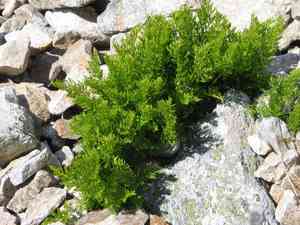
Parsley fern (Cryptogramma crispa)
Also known as: Mountain parsley, Rock brake, Rock brake fern
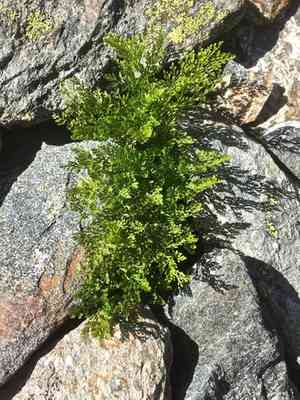
The name "parsley fern" arises from its fronds' appearance, which closely mimics parsley leaves. This hardy fern thrives in harsh environments such as cliffs, rocky slopes, and stone walls. Its resilience and unique look make it a favored option for rock and cottage gardens, frequently used for underplanting.
In This Article
Attributes of Parsley fern
Lifespan
Perennial
Plant Type
Fern
Plant Height
40 cm
Spread
50 cm
Leaf Color
Green
Flower Size
N/A
Flower Color
N/A
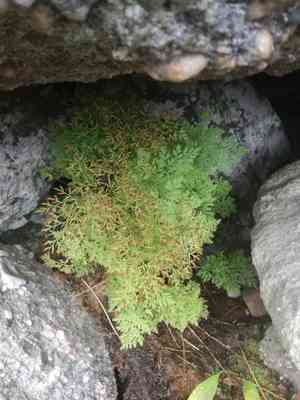
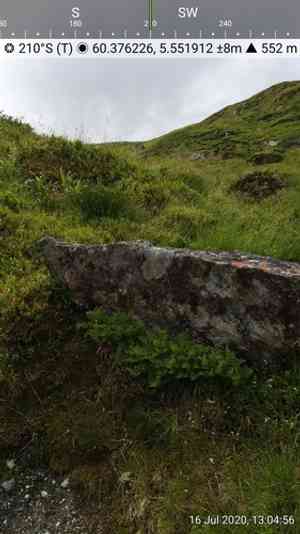
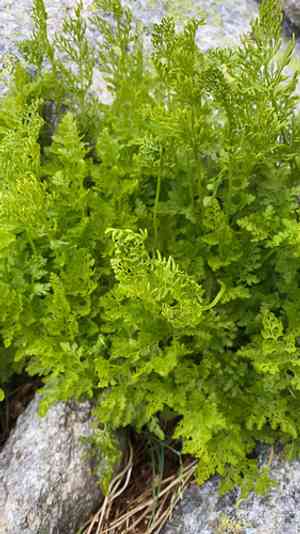
Images of Parsley fern
Quickly Identify Parsley fern
1
Look for delicate, finely divided fronds that have a parsley-like appearance and grow in clumps. The fronds are light green in color and can be spotted in rocky and alpine environments.
Scientific Classification of Parsley fern
Phylum
Vascular plants
Class
Ferns
Order
Polypodiales
Family
Brake
Genus
Parsley fern
Species
Parsley fern
Planting and Growing of Parsley fern
Care Difficulty
Hard
Watering Schedule
Every 2 days
Sunlight Requirements
Partial sun
Sunshine Duration
4-8 hours
Ideal Temperature
60-75℉
Soil Type
Potting Mix, Peat Mix
Soil pH
5-6.5
Fertilizer Type
Balanced
Pruning Season
Spring, Summer
Pruning Area
Branches, Leaves
Pruning Frequency
2 times a year
Repotting Season
Spring
Pot Type
Plastic, Ceramic
 How to Water Parsley fern?
The appropriate watering amount for Cryptogramma crispa should be around 150 milliliters per session. This quantity ensures the soil is moist without being waterlogged. It's important to mimic the plant's natural habitat, where moisture is present, but not excessive, allowing the soil to dry slightly between watering.
What are the symptoms of an underwatered Parsley fern?
›
What should I do if my Parsley fern is not getting enough water?
›
What are the symptoms of an overwatered Parsley fern?
›
How to save an overwatered Parsley fern?
›
 What Are the Sunlight Requirements for Parsley fern?
Partial sun exposure is ideal, ensuring Cryptogramma crispa receives ample morning or late afternoon light. Balanced light promotes healthy leaf growth and maintains vibrant green foliage.
More About Sunlight Requirements Techniques→
What is the best type of light for Cryptogramma crispa?
›
How to ensure Cryptogramma crispa gets ideal lighting?
›
Benefits of ideal lighting for Cryptogramma crispa?
›
 What Is the Ideal Temperature Range for Parsley fern?
The ideal temperature range for Cryptogramma crispa ensures optimal growth and development. It ranges from 60°F to 75°F. This temperature range provides the right conditions for photosynthesis and overall plant health, mimicking its natural habitat conditions.
 What Soil is Best for Parsley fern?
Cryptogramma crispa thrives in well-drained soil, allowing excess water to pass through easily and preventing root rot. This characteristic is essential for maintaining healthy root systems and avoiding fungal infections, which can be detrimental to the plant. The plant requires soil that retains moisture moderately, providing consistent hydration without causing waterlogging. This balance ensures that the plant has access to necessary water resources while maintaining good aeration around the roots. Soil with a rich nutrient profile supports Cryptogramma crispa by supplying essential minerals and organic matter. This nutrient enrichment promotes vigorous growth and helps the plant resist environmental stresses.
 How to Fertilize Parsley fern?
Cryptogramma crispa generally requires a modest amount of fertilizer. Use a balanced all-purpose fertilizer diluted to half-strength to avoid over-fertilization, as this plant has delicate roots that can be easily damaged by an excess of nutrients.
 How to Prune Parsley fern?
Use sharp, clean scissors or pruning shears to avoid damaging the delicate fronds of Cryptogramma crispa. A small, fine pair of tools makes it easier to access the base of the plant without causing unnecessary harm. Gently separate the fern's foliage to identify dead, damaged, or yellowing fronds. These can impede the plant's growth and should be removed to encourage new, healthy growth. When pruning, cut unwanted fronds as close to the base of the plant as possible. This minimizes the chance of leaving unsightly stubs or damaging the plant's structure.
More About Pruning Techniques→
 How to Propagate Parsley fern plant?
1
Choose a mature and healthy Cryptogramma crispa to ensure the divisions are strong and have a better chance of establishing in new locations.
2
Use a spade to dig up the plant, making sure to keep the root ball intact. Divide the plant into smaller sections, ensuring each has a good amount of roots.
3
Replant each division into a prepared bed or pot. Water them thoroughly to reduce transplant shock and help them settle into their new environment.
 How to Repot Parsley fern plant?
1
Cryptogramma crispa should be repotted when you notice roots starting to grow out of the drainage holes or if its growth seems stunted. This usually happens every couple of years. Ideal times are late spring or early summer when the plant is actively growing, ensuring it can adapt well to the new pot.
2
Choose a pot that is just one or two sizes larger than the current pot. It should have adequate drainage holes to prevent water accumulation, which can lead to root rot. A slightly larger pot allows room for new root growth without overwhelming the plant with too much soil and water.
3
Opt for well-draining loamy soil mixed with some perlite or sand. This prevents water from clogging the soil, which can suffocate the roots. A well-aerated soil mix promotes healthy root growth and helps maintain the fern's vibrant foliage.



