How Much Sunlight Do Parsley fern Need?
1
Parsley fern flourishes optimally with 3-6 hours of indirect sun exposure each day.
2
Excessive direct sun can burn the tender leaves of the Parsley fern.
3
Parsley fern endures complete shade, though its growth might be less robust.
Grasping Parsley Fern Illumination Needs
Native Environment and Sun Exposure
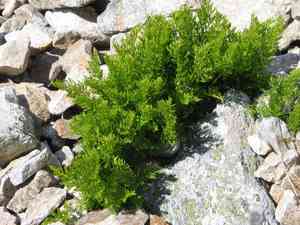
Parsley fern typically thrives in rocky, elevated areas, enjoying filtered sunlight through larger plants or rocks. In its natural setting, this fern is accustomed to moderate light, making it vital to replicate these conditions when cultivating it in your garden or home.
Indoor vs. Outdoor Lighting Conditions
For indoor Parsley fern cultivation, position it in a location receiving indirect light, such as near a window facing north or east. Outdoors, seek a spot offering partial shade to shield the fern from intense, direct sun. Utilizing the natural cover of taller plants or artificial structures can help establish an ideal setting.
Optimal Sunlight Type for Parsley Fern?
Direct Sunlight: Advantages and Disadvantages
While direct sunlight can offer some benefits by promoting vigorous growth, it frequently results in scorched fronds and parched soil for the Parsley fern. It's safer to provide it with filtered sunlight to prevent damage while still harnessing the sun's energy.
Indirect Sunlight: Benefits and Implementation
Indirect sunlight, such as light diffused through sheer curtains or shaded by other plants, is perfect for the Parsley fern. This type of exposure helps maintain soil moisture levels while protecting the delicate foliage from burning.
Dappled Sunlight: Ideal Circumstances
Creating conditions where sunlight is intermittent and filtered, often termed dappled sunlight, can mimic the fern's natural habitat. Such conditions can be achieved by planting Parsley fern beneath taller shrubs or employing garden netting for partial coverage.
Adjusting Sunlight for Peak Growth
Identifying Light Levels in Your Area
Assessing the light levels in your garden or home is crucial. Use a light meter or observe sun patterns throughout the day to determine the best placement for your Parsley fern.
Utilizing Shade Cloth and Light Filtering Methods
If natural shaded areas are unavailable, creating shade with cloths can help manage sun exposure. Select materials that filter 50-70% of sunlight to provide optimal conditions for Parsley fern.
Seasonal Changes and Light Modification
As seasons shift, sunlight intensity and duration also change. Adjust your Parsley fern's position accordingly, perhaps moving it indoors during harsh summer sun or ensuring it gets enough light during shorter winter days.
Common Parsley Fern Issues with Sunlight
Indicators of Excessive Sunlight
If your Parsley fern is getting too much sun, you might observe crispy, brown edges on its fronds. A wilted appearance and dry soil also suggest it's being scorched.
Indicators of Insufficient Sunlight
When the Parsley fern doesn't receive enough light, it may appear leggy or elongated as it stretches for more illumination. Pale or yellowish fronds can also signal a lack of adequate sunlight.
Troubleshooting and Solutions
If you encounter sunlight exposure problems, begin by relocating the fern. For too much sun, provide more shade. Conversely, if it's not getting enough light, move it to a brighter spot. Regular monitoring and adjustments to its environment will help you achieve the perfect balance.



