How to Transplant California croton?
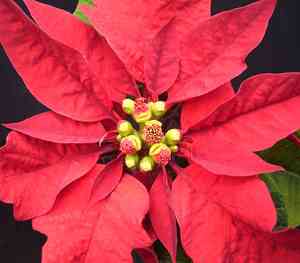
The most favorable period for relocating California croton is during the pleasant warmth of late spring through early summer, which facilitates root development. Select growing mediums that drain effectively, and provide protection from strong air currents. Periodic advice on transplantation will enhance the plant's vigor in these welcoming environments.
What Preparations are Needed Before Transplanting California Croton?
What is the Ideal Time for Transplanting California Croton?
The optimal period for moving california croton to a new spot is during its vigorous growth phase, typically from late spring to early summer. This timing takes advantage of mild weather, ensuring california croton establishes roots without the stress of extreme temperatures. By selecting this season, california croton benefits from warm, but not excessively hot, soil conditions, which are perfect for root development. The extended daylight hours and steady moisture provide a nurturing environment for california croton to flourish post-transplant, encouraging robust growth and increased resilience.
How Much Space Should You Leave Between California Croton Plants?
Greetings, gardening enthusiast! Before settling your california croton into their new home, ensure they have ample personal space. Aim to position each california croton approximately 24-36 inches (60-91 cm) apart. This spacing will allow them to thrive without competing for essential nutrients and sunlight!
What is the Best Soil Mix for California Croton Transplanting?
To guarantee your california croton flourish, let's prepare the ground correctly. Well-draining soil is ideal for california croton. Incorporate some compost or a balanced, slow-release fertilizer to provide a nutritional boost. This will establish a strong foundation for healthy development!
Where Should You Relocate Your California Croton?
For a bright future, position your california croton in an area where they will receive full to partial sunlight. This means at least 6 hours of direct sun daily. A well-lit location will keep your california croton content and photosynthesizing effectively!
What Equipments Should You Prepare Before Transplantation California Croton?
Gardening Gloves
To safeguard your hands while handling soil and the plant.
Shovel or Spade
To excavate the california croton from its original spot and prepare a new planting hole.
Watering Can or Hose
To hydrate the plant before removal and after replanting.
Pruning Shears
To trim any damaged roots or foliage.
Wheelbarrow or Garden Cart
To transport the plant and soil if necessary.
Mulch
To help maintain soil moisture and regulate temperature around the new site.
Stake or Plant Support
If the california croton is tall or needs stabilization after transplanting.
How Do You Remove California Croton from the Soil?
How Do You Remove California Croton from the Soil?
From Ground: First, water the california croton to moisten the soil, facilitating the extraction process. Next, use a shovel or spade to create a wide circle around the plant, being careful not to harm the root ball. Gently slide the tool beneath the root system to loosen and lift the california croton from the earth.From Pot: Begin by watering the california croton to hydrate the root ball, making removal easier. Turn the pot on its side, hold the plant at its base, and tap or apply pressure to the bottom and sides of the pot to gently release the california croton along with the root ball.From Seedling Tray: Water the seedlings to minimize root disturbance. With a small tool or your fingers, carefully separate each california croton seedling, ensuring the roots and attached soil are preserved.
Step-by-Step Guide for Transplanting California Croton
Digging the Hole
Excavate a hole in the ground that is twice as wide and as deep as the california croton's root ball.
Prepare the Plant
Examine the california croton root ball and trim any damaged or excessively long roots with your pruning shears. If the roots are tightly coiled, gently loosen them with your fingers.
Positioning
Place the california croton in the center of the hole. Ensure the top of the root ball is level with the surrounding soil surface.
Refill the Hole
Gradually backfill the hole with the excavated soil, gently firming it around the california croton's root ball to eliminate air pockets.
Watering
Thoroughly water the california croton after planting to settle the soil around the roots and hydrate the plant.
Mulching
Apply a layer of mulch around the base of the california croton to retain moisture and suppress weeds. Avoid piling mulch directly against the stem.
Staking
If necessary, provide a stake for support and loosely tie the california croton to it to prevent wind damage or toppling.
How Do You Care For California Croton After Transplanting?
Regular Watering
Water the california croton deeply and consistently, allowing the soil to dry slightly between watering sessions.
Monitoring Growth
Observe for new growth on the california croton as an indication of successful establishment. Adjust care as needed.
Checking for Pests
Periodically inspect the california croton for signs of pests or disease, and address any issues promptly to prevent stress on the plant.
Seasonal Care
Understand that the california croton may have varying needs with changing seasons, such as increased water in hot weather or protection from frost.
Troubleshooting Common Issues with California Croton Transplantation.
What's the best time to transplant california croton?
The ideal transplanting period is during the mild stretch from late spring to early summer.
How much space does california croton need when transplanting?
Ensure california croton has ample room to thrive, ideally spacing them 24-36 inches (61-91 cm) apart.
My california croton looks wilted after transplanting, what should I do?
Wilting can indicate shock; maintain consistent moisture and provide shade for a few days for recovery.
Should I amend the soil when transplanting california croton?
Absolutely! Enriching the soil with compost will promote healthy root development for california croton.
How deep should I plant california croton's rootball?
The rootball should be level with the soil surface to ensure proper growth and prevent rot.
How often should I water california croton post-transplant?
Keep the soil moist, but not waterlogged, especially during the initial weeks after transplanting.
Is full sun exposure okay for california croton after transplanting?
While california croton establishes, partial shade can be beneficial; afterward, it flourishes in full sun.
Should the transplant site for california croton be protected from wind?
Yes, a wind-sheltered location aids in stable establishment without drying out the leaves.
How do I know if my california croton plant is getting rooted properly?
Look for new growth as a positive sign; stunted growth may indicate a problem.
Can I fertilize california croton right after transplanting?
Refrain from fertilizing; allow california croton to settle for a few weeks in its new location before any feeding.



