
California croton (Croton californicus)
Also known as: California croton, Desert croton
*Croton californicus*, commonly known as California croton, is native to the western United States. This plant thrives in various habitats, ranging from arid deserts to lush coastal areas. The genus name *Croton* is derived from the Greek word "kroton," meaning "tick," due to the tick-like appearance of its seeds.
In This Article
Attributes of California croton
Lifespan
Perennial
Plant Type
Shrub
Plant Height
1 m
Spread
30 cm to 1.5 m
Leaf Color
Silvery-green
Flower Size
2.5 mm
Flower Color
Yellow Green
Images of California croton
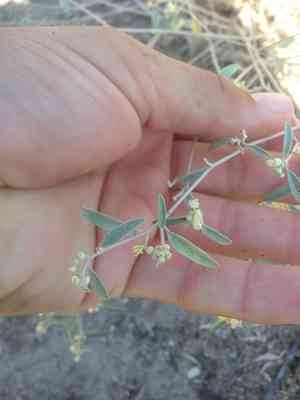
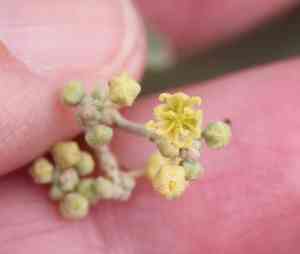
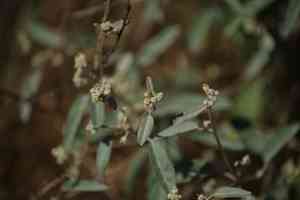
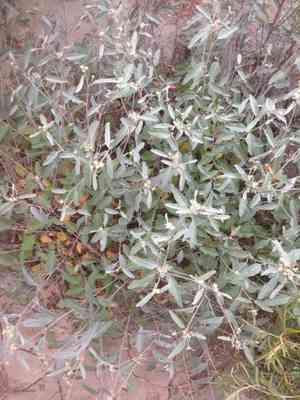
Quickly Identify California croton
1
Identifying Croton californicus involves looking for its small shrubs with silvery-hairy foliage. The leaves are oval to lance-shaped, and the plant bears small, inconspicuous flowers. Its fruit is a capsule containing smooth seeds.
Scientific Classification of California croton
Phylum
Vascular plants
Class
Dicotyledons
Order
Malpighiales
Family
Spurge
Genus
Rushfoils
Species
California croton
Planting and Growing of California croton
Care Difficulty
Easy
Watering Schedule
Every 2 days
Sunlight Requirements
Full sun
Sunshine Duration
4-8 hours
Ideal Temperature
65-75℉
Soil Type
Potting Mix, Peat Mix
Soil pH
6.5-7.5
Fertilizer Type
Balanced
Pruning Season
Spring, Summer
Pruning Area
Branches, Leaves
Pruning Frequency
2 times a year
Repotting Season
Spring
Pot Type
Plastic, Terracotta
 How to Water California croton?
When watering Croton californicus, aim to provide approximately 200 milliliters of water each time. This amount ensures that the moisture reaches deeper roots without drowning them. The soil should feel damp but not soggy, reflecting a balance ideal for this plant's growth.
What are the symptoms of an underwatered California croton?
›
What should I do if my California croton is not getting enough water?
›
What are the symptoms of an overwatered California croton?
›
How to save an overwatered California croton?
›
 What Are the Sunlight Requirements for California croton?
Croton californicus thrives in full to partial sun, appreciating about 6 to 8 hours of daily sunlight. Optimal light results in dynamic leaf color and sturdy growth, contributing positively to its vigor and appearance.
What is the ideal light environment for Croton californicus?
›
What steps can ensure the plant receives optimal sunlight?
›
What benefits arise from providing the ideal light conditions?
›
 What Is the Ideal Temperature Range for California croton?
The ideal temperature range for Croton californicus is between 65°F and 75°F. This range provides the best environment for optimal growth and health. Plant metabolic processes are most efficient within this temperature range, promoting vibrant leaf coloration and robust foliage development.
 What Soil is Best for California croton?
Croton californicus thrives in well-drained soil, preventing root rot and ensuring essential nutrients are readily available. This environment mimics its natural habitat, supporting healthy growth. While Croton californicus doesn't demand high fertility, moderately fertile soil facilitates optimal growth without overwhelming the plant. It ensures a steady supply of nutrients without risking burn. Good soil aeration improves root respiration by allowing oxygen to reach the roots easily. This is crucial for Croton californicus as it helps in effective nutrient uptake and vigorous growth.
 How to Fertilize California croton?
For Croton californicus, applying liquid fertilizer should be done at a concentration of half the recommended dose to prevent root burn. Solid slow-release pellets should be used sparingly, roughly one tablespoon per plant, ensuring the fertilizer is spread evenly across the soil surface.
 How to Prune California croton?
When pruning Croton californicus, make your cuts just above a node or leaf joint. This encourages the plant to branch out and helps maintain a full, bushy appearance. Avoid cutting into the main stem as it can damage the plant. Utilize sharp pruning shears to make clean cuts. Ragged cuts can make the plant susceptible to pests and disease. Regularly sharpen your tools to ensure precise trimming and reduce the stress on the plant.
More About Pruning Techniques→
 How to Propagate California croton plant?
1
For seed propagation, collect viable and mature seeds directly from the plant. In cutting propagation, select healthy, disease-free stems, cutting them at an angle to maximize surface area for root growth.
2
Prepare a well-draining soil mix consisting of a blend of sterile potting soil and sand or perlite. Ensure the soil is moist but not waterlogged before planting seeds or inserting cuttings.
3
Plant the seeds at a shallow depth, covering them lightly with soil. For cuttings, insert at least one-third of the cutting into the prepared soil. Water gently to settle the soil around the seeds or cuttings, avoiding overwatering.
 How to Repot California croton plant?
1
Repot Croton californicus when roots start emerging from the drainage holes or the plant looks too large for its container. This typically indicates the roots need more room to grow and absorb nutrients efficiently.
2
Select a pot that is only a couple of inches larger than the current one, with good drainage holes. This prevents overwatering, provides sufficient room for root expansion, and maintains the delicate balance of moisture.
3
Opt for a sandy and gritty soil mix that mimics its natural habitat. This ensures excellent drainage and prevents root rot, which is crucial for the health of Croton californicus.
Toxicity
Ingestion, Skin Contact
WARNING
The judgment on toxicity and danger is for reference only. We DO NOT GUARANTEE any accuracy of such judgment. Therefore, you SHALL NOT rely on such judgment. It is IMPORTANT TO SEEK PROFESSIONAL ADVICE in advance when necessary.
Learn More About California croton Diseases
Anthracnose
Bacterial Leaf Spot
Bacterial Soft Rot
Chemical Injury
Crown Gall
Cyst Nematode
Damping-off
Downy Mildew
Drought Stress
Fusarium Wilt
Gray Mold
Leaf Curl
Leaf Spot
Mosaic
Nutrient Deficiency
Nutrient Toxicity
Powdery Mildew
Root Rot
Root-knot Nematode
Rusts
Sooty Mold
Spider Mites
Temperature Stress
Thrips Damage
White Mold



