How to Prune California croton?
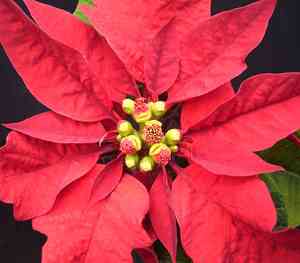
This arid-adapted bush, recognized by its silvery-green leaves and ability to withstand dry environments, thrives with judicious trimming. For california croton, perform pruning in the initial part of spring or the latter portion of winter to sculpt the plant and manage its dimensions. Begin by eliminating any deceased or impaired branches, subsequently reducing dense sections to improve air movement. Pruning during this period stimulates robust new development. Consistent trimming preserves an appealing structure and avoids the necessity for more severe reductions later on.
Advantages of Trimming California Croton
Advantages of Trimming California Croton
Trimming california croton promotes robust development and helps preserve its desired form. Strategic cuts enhance plant well-being and vitality, contributing to a more structured and visually appealing look.
Optimal Time for Trimming California Croton
Optimal Time for Trimming California Croton
Trimming california croton in late winter and early spring is ideal as these periods precede the plant's most active growth phase, allowing for rapid healing and directing energy into new development. Pruning before the start of spring growth ensures that cuts mend without hindering the emergence of new shoots and leaves. Furthermore, since california croton is likely dormant during late winter, pruning at this time minimizes stress and lowers the risk of disease or pest infestation at the cut sites. Additionally, with less foliage, it is easier to discern the structure of california croton and execute more precise cuts. This timing also avoids disrupting california croton's blooming or fruiting cycles, ensuring the plant's decorative or ecological contributions are maintained.
Tools Required for Trimming California Croton
Hand Pruners
Perfect for making clean cuts on stems and smaller branches of california croton. They should be sharp and fit comfortably for accuracy.
Lopping Shears
Suitable for cutting through thicker branches that hand pruners cannot handle. Their extended handles offer leverage and reach.
Pruning Saw
Appropriate for any large branches that may occasionally need removal. A pruning saw can manage branches thicker than those handled by lopping shears.
How to Trim California Croton
Inspect
Thoroughly examine california croton for any indications of diseased leaves, withered leaves, dead branches, or diseased branches requiring removal.
Disinfect
Before commencing the trimming process, sanitize all pruning tools to prevent the spread of disease to healthy parts of california croton.
Remove leaves
Using sharp gardening scissors, carefully snip off any diseased or withered leaves from california croton, ensuring to cut at the base of the leaf stem.
Prune branches
For dead or diseased branches on california croton, use clean, sharp pruning shears. Cut these branches back to the next healthy section, ideally just above a leaf node or joint to encourage healthy regrowth.
Cleanup
After trimming california croton, clear away all removed material from around the plant's base to prevent the potential spread of disease or pests.
Common Trimming Errors with California Croton
Excessive Pruning
Removing too much foliage at once can stress california croton, leading to stunted growth or increased susceptibility to pests and diseases.
Incorrect cut placement
Cutting too close to the main stem can harm california croton, while leaving too much of a stub can result in dead wood and potential entry points for disease.
Using dull tools
Blunt pruning tools can create jagged cuts that heal slowly, making california croton more vulnerable to infection.
Pruning without disinfection
Failure to sanitize tools between cuts and plants can transmit diseases to california croton.
Unnecessary severe pruning
Aggressive pruning without cause can remove buds and reduce flowering, as california croton might bloom on old or current season's growth.
General Trimming Advice for California Croton
Proper technique
Use clean, sharp bypass pruners making angled cuts above leaf nodes to encourage california croton to branch out and become fuller.
Appropriate quantity
Gradually trim up to 1/3 of california croton's growth to maintain its shape and health without causing undue stress.
Targeted pruning
Focus on removing dead, diseased, or damaged branches to improve air circulation and light penetration for california croton.
Prune for form
Trim california croton to maintain its natural shape rather than forcing it into an unnatural form, which can be stressful for the plant.
New growth emphasis
Concentrate on pruning new growth to manage the size of california croton and to encourage bushier development, instead of older, woodier stems.
Post-flowering trimming
Trimming california croton after blooming stimulates growth and can increase the number of flowers in the subsequent season.
Health upkeep
Regularly inspect for and prune away any diseased parts to maintain california croton's overall health and vigor.



