How to Transplant Smooth rattlebox?
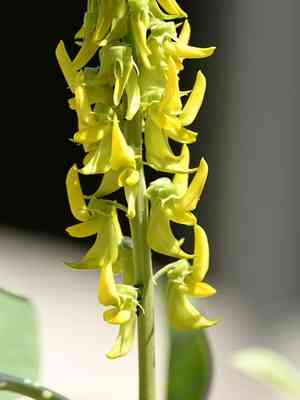
The optimal period for relocating smooth rattlebox spans from early spring through its peak bloom, since consistent warmth aids in root development. Select a bright spot featuring soil that drains effectively to foster robust development. Careful manipulation ensures a prosperous shift.
What Preparations are Needed Before Transplanting Smooth Rattlebox?
What is the Ideal Time for Transplanting Smooth Rattlebox?
The best period for moving smooth rattlebox is the start of vigorous growth, typically mid-to-late spring. This time offers ideal temperatures and consistent daylight, promoting strong root development. During these weeks, mild weather encourages healthy growth in smooth rattlebox, making it perfect for transplanting. Replanting your smooth rattlebox now allows it to benefit from the entire growing season, ensuring robust health and vitality.
How Much Space Should You Leave Between Smooth Rattlebox Plants?
When relocating smooth rattlebox, aim to provide each plant sufficient room to flourish. The optimal spacing is approximately 18-24 inches (45-60 cm) apart. This helps ensure proper air circulation and reduces disease risk.
What is the Best Soil Mix for Smooth Rattlebox Transplanting?
For smooth rattlebox, well-draining soil rich in organic matter is crucial. Before transplanting, incorporate a balanced, slow-release fertilizer to give your plants a nutritious start. A good initial mix would be a 10-10-10 blend applied according to package directions.
Where Should You Relocate Your Smooth Rattlebox?
Select a sunny spot for your smooth rattlebox as they thrive in sunlight! Choose a location that receives full sun for the healthiest growth â at least 6-8 hours of direct sunlight daily is ideal.
What Equipments Should You Prepare Before Transplantation Smooth Rattlebox?
Gardening Gloves
To safeguard your hands while handling soil and plants.
Shovel or Spade
To excavate around the plant and its root ball.
Gardening Trowel
For precise adjustments to transplant holes or managing smaller roots.
Watering Can/Bucket
To hydrate the plant before and after removal, as well as during the transplanting process.
Wheelbarrow or Garden Cart
To move the smooth rattlebox plant from its original spot to the new planting site.
Pruning Shears
To trim any damaged roots or foliage.
Mulch
To help maintain soil moisture and regulate soil temperature after transplant.
How Do You Remove Smooth Rattlebox from the Soil?
How Do You Remove Smooth Rattlebox from the Soil?
From Ground: First, water the smooth rattlebox plant to moisten the soil. Use a shovel or spade to carefully dig around the plant, creating a wide circle to avoid root damage. Pry under the root ball with the spade to gently lift the plant from the ground.From Pot: Begin by watering the smooth rattlebox in its container. Tilt the pot sideways and gently tap or press on the sides to loosen the soil. Carefully ease the plant out by pulling the base of the stem, taking care not to yank it forcefully.From Seedling Tray: Water the tray lightly to make soil pliable. Use a gardening trowel or a small tool to lift the smooth rattlebox, focusing on removing it with ample soil around the roots to prevent excessive root disturbance.
Step-by-Step Guide for Transplanting Smooth Rattlebox
Transport Precautions
Handle the smooth rattlebox root ball with care during relocation to the new site to prevent root damage.
Hole Preparation
Dig a hole twice the width and the same depth as the root ball to provide the roots with sufficient room to spread.
Inspect Roots
Examine the root ball for any damaged roots and trim them with pruning shears, being careful not to remove more than a third of the root mass.
Positioning
Place the smooth rattlebox in the center of the prepared hole, ensuring the top of the root ball is level with the ground surface.
Refill Hole
Carefully backfill the hole with soil, gently patting down to eliminate air pockets without overly compacting the soil.
Initial Watering
Water the smooth rattlebox generously immediately after transplanting to settle the soil around the roots and aid recovery from transplant shock.
Apply Mulch
Spread a layer of mulch around the base of the plant, avoiding direct contact with the stem to reduce water evaporation and suppress weed growth.
How Do You Care For Smooth Rattlebox After Transplanting?
Regular Watering
Maintain a suitable watering schedule to ensure the smooth rattlebox doesn't dry out, while allowing the soil to aerate between watering sessions.
Observation
Monitor the smooth rattlebox for signs of stress such as wilting or discolored leaves and adjust care as needed.
Stake Support
If the smooth rattlebox is tall or fragile, use stakes to provide support and prevent wind damage.
Weed Management
Keep the area around the smooth rattlebox free of weeds to minimize competition for nutrients and water.
Pruning Maintenance
Deadhead spent flowers and prune dead or damaged foliage to encourage healthy growth.
Troubleshooting Common Issues with Smooth Rattlebox Transplantation.
When's the best time to transplant smooth rattlebox?
Optimally move smooth rattlebox during mid to late spring when conditions favor root establishment.
What spacing should I use for transplanting smooth rattlebox?
Position smooth rattlebox at least 18-24 inches (45-60 cm) apart to ensure ample growth room.
Why is my transplanted smooth rattlebox wilting?
Smooth rattlebox wilting post-transplant can indicate shock. Ensure pre-transplant watering and minimize root disturbance.
Should I amend soil when transplanting smooth rattlebox?
Yes, enriching the soil with compost provides smooth rattlebox nutrients for robust growth.
Can I transplant smooth rattlebox in full sunlight?
Smooth rattlebox thrives in full sun to partial shade. Acclimate gradually to direct sunlight post-transplantation.
What's the ideal soil pH for smooth rattlebox transplantation?
Smooth rattlebox prefers a soil pH between 5.5 and 7. Adjust soil accordingly before transplanting.
How deep should the hole be for planting smooth rattlebox?
Dig a hole as deep as the root ball and twice as wide for smooth rattlebox to establish.
How often should I water smooth rattlebox after transplantation?
Initially, water smooth rattlebox deeply and regularly to keep the soil moist but not waterlogged.
Is mulching necessary after transplanting smooth rattlebox?
Mulching helps retain moisture and regulate soil temperature, promoting healthier smooth rattlebox transplants.
What signs indicate successful smooth rattlebox transplantation?
New growth and absence of wilting or yellowing indicate smooth rattlebox has adapted well to its new location.



