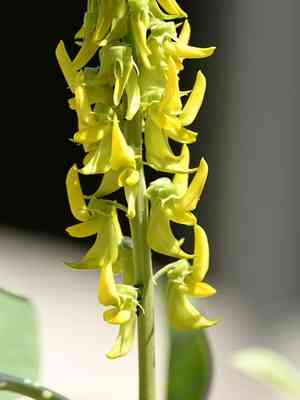
Smooth rattlebox (Crotalaria pallida)
Also known as: Rattlepod, Devil-Bean, Wedge-Leaf, Streaked rattlepod, Rattleweed
The shrub you're referring to is likely Crotalaria pallida, commonly called smooth rattlebox. This yellow-flowered plant is a member of the legume family, making it an effective nitrogen fixer. It’s often utilized as ground cover and green manure for its soil-enriching properties.
In This Article
Attributes of Smooth rattlebox
Lifespan
Perennial
Plant Type
Herb, Shrub
Plant Height
1.5 m
Spread
45 cm to 60 cm
Leaf Color
Green
Flower Size
2.5 cm
Flower Color
Yellow Green
Images of Smooth rattlebox

Quickly Identify Smooth rattlebox
1
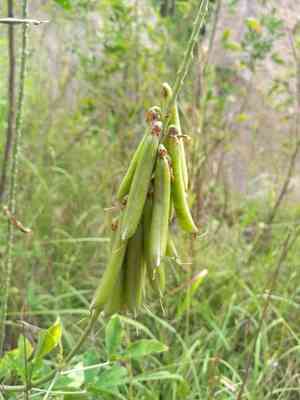
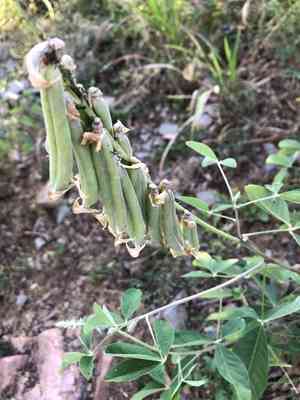
Identify Crotalaria pallida by its erect shrub structure, trifoliate leaves, and bright yellow flowers that bloom in clusters. The distinctive pods, which contain seeds that rattle, are another key feature.
Scientific Classification of Smooth rattlebox
Phylum
Vascular plants
Class
Dicotyledons
Order
Fabales
Family
Legume
Genus
longbeak rattlebox
Species
Smooth rattlebox
Planting and Growing of Smooth rattlebox
Care Difficulty
Easy
Watering Schedule
Every 4 days
Sunlight Requirements
Full sun
Sunshine Duration
4-6 hours
Ideal Temperature
68-77℉
Soil Type
Potting Mix, Peat Mix
Soil pH
6.5-7.5
Fertilizer Type
Balanced
Pruning Season
Spring, Summer
Pruning Area
Branches, Leaves
Pruning Frequency
2 times a year
Repotting Season
Spring
Pot Type
Terracotta, Plastic
 How to Water Smooth rattlebox?
For Crotalaria pallida, it's vital to ensure the soil remains consistently moist. Approximately 500 milliliters of water should be enough each time you water the plant, ensuring the soil is adequately saturated but not waterlogged. Always allow the top inch of the soil to dry out slightly before watering again.
What are the symptoms of an underwatered Smooth rattlebox?
›
What should I do if my Smooth rattlebox is not getting enough water?
›
What are the symptoms of an overwatered Smooth rattlebox?
›
How to save an overwatered Smooth rattlebox?
›
 What Are the Sunlight Requirements for Smooth rattlebox?
Crotalaria pallida thrives best in full to partial sun environments, receiving approximately 6 to 8 hours of light. Adequate lighting ensures vigorous growth, lush foliage, and increased flowering potential.
More About Sunlight Requirements Techniques→
What is the best location?
›
How to adjust lighting during different seasons?
›
What measures ensure complete sun exposure?
›
 What Is the Ideal Temperature Range for Smooth rattlebox?
Crotalaria pallida thrives in a warm environment, with an ideal temperature range between 68°F and 77°F. This range ensures adequate photosynthesis and nutrient uptake, which promotes healthy growth and vibrant flowering.
 What Soil is Best for Smooth rattlebox?
Crotalaria pallida thrives in well-drained soil as it prevents root rot and waterlogging, ensuring healthy root growth and plant stability. This condition supports robust plant development and flowering. This plant requires a nutrient-rich substrate that provides essential nutrients like nitrogen, phosphorus, and potassium, promoting lush foliage and vibrant flowering, which are vital for its growth cycle. The soil should retain moderate moisture without being overly saturated. This helps in maintaining optimal hydration levels for the plant, preventing stress and promoting consistent growth throughout its lifecycle.
 How to Fertilize Smooth rattlebox?
For Crotalaria pallida, using approximately 1 teaspoon of balanced liquid fertilizer per gallon of water is optimal. Apply evenly around the base of the plant to ensure nutrients reach the root system effectively. Avoid direct contact with the plant's foliage to prevent potential chemical burns.
 How to Prune Smooth rattlebox?
Begin by inspecting the Crotalaria pallida for any dead, diseased, or damaged stems. Use your sharp pruning shears to remove these stems at their base or just above the nearest healthy set of leaves. Focus on maintaining the natural shape of Crotalaria pallida by cutting back any overly long or unruly branches. Trim them just above a leaf node to encourage new, denser growth and to help the plant maintain its bushy appearance. Perform regular light cuts throughout the growing season to promote a compact form and vigorous growth. Trim back the tips of new growth slightly to encourage branching, which helps the plant maintain a full and vibrant form.
More About Pruning Techniques→
 How to Propagate Smooth rattlebox plant?
1
Gather mature seeds from healthy pods. Ensure that the seeds are fully developed and dry before collection to increase the chances of successful germination.
2
Select healthy branches and cut sections about 4-6 inches long. Strip the lower leaves and dip the cut end in rooting hormone to encourage root formation.
3
Sow the seeds in a well-draining seed mix. Cover them lightly with soil, water gently, and place the tray in a warm, bright location but out of direct sunlight.
 How to Repot Smooth rattlebox plant?
1
Crotalaria pallida shows signs it needs repotting when roots begin to circle the pot's interior or grow through its drainage holes. Additionally, slower growth despite regular care can indicate soil exhaustion. Repotting in Spring or Summer takes advantage of the active growth phase, allowing the plant to recover swiftly.
2
Choosing the right pot involves ensuring sufficient drainage for Crotalaria pallida. Opt for a pot slightly larger than the current one, providing extra room for root expansion. Use pots with drainage holes to prevent water from accumulating, which can cause root rot. A breathable material like terracotta also aids in excess moisture evaporation.
3
The ideal soil for repotting Crotalaria pallida is well-draining, minimizing excess water retention. Mixing perlite or coarse sand with standard potting soil achieves the desired texture. This soil composition prevents compaction, promoting healthy root aeration, essential for the plant's thriving growth.
Toxicity
Ingestion
WARNING
The judgment on toxicity and danger is for reference only. We DO NOT GUARANTEE any accuracy of such judgment. Therefore, you SHALL NOT rely on such judgment. It is IMPORTANT TO SEEK PROFESSIONAL ADVICE in advance when necessary.
Learn More About Smooth rattlebox Diseases
Anthracnose
Bacterial Leaf Spot
Bacterial Wilt
Cyst Nematode
Damping-off
Downy Mildew
Drought Stress
Fusarium Wilt
Gray Mold
Leaf Curl
Leaf Spot
Mosaic
Nutrient Deficiency
Nutrient Toxicity
Powdery Mildew
Root Rot
Root-knot Nematode
Rusts
Sooty Mold
Spider Mites
Temperature Stress
Thrips Damage
White Mold



