How to Prune Smooth rattlebox?
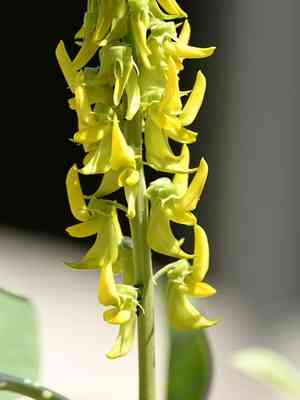
This leguminous plant, known for its prominent yellow blossoms, thrives with regular trimming to foster a denser form and regulate its dimensions. Perform cuts following its blooming period, typically in spring or summer, to stimulate fresh development. Consistently eliminating faded flowers and seed capsules can deter its undesirable dissemination. The most advantageous pruning technique involves reducing older stalks to guarantee sufficient light and air circulation. Such upkeep can amplify its striking appearance and curb its possibly encroaching tendencies.
Advantages of Trimming Smooth Rattlebox
Advantages of Trimming Smooth Rattlebox
Trimming smooth rattlebox promotes robust development and maintains its form. By carefully removing parts, gardeners can avoid congestion, ensure optimal air movement, and encourage a structured shape for visual appeal and vitality.
Optimal Period for Pruning Smooth Rattlebox
Optimal Period for Pruning Smooth Rattlebox
Pruning in late Spring aligns with smooth rattlebox's post-frost recovery phase, allowing it to recuperate and grow more vigorously once the threat of cold damage has passed. Early Summer trimming leverages the plant's rapid growth period, fostering denser development and enhancing overall plant health. This timing also precedes major blooming or fruiting cycles, ensuring that smooth rattlebox can allocate resources efficiently for reproduction while maintaining a desirable form and size.
Required Tools for Pruning Smooth Rattlebox
Hand Pruners
Hand pruners, also known as secateurs, are perfect for making precise cuts on smooth rattlebox's smaller stems and branches. They offer accuracy and ease of use, crucial for healthy regrowth after pruning.
Pruning Shears
For trimming the soft stems and foliage of smooth rattlebox, pruning shears are recommended. They enable quick, clean cuts without harming the plant's delicate tissues.
Loppers
If smooth rattlebox has developed thicker branches that hand pruners cannot manage, loppers are suitable. They provide greater leverage and can cut through larger stems cleanly, preventing injury to the plant.
Pruning Saw
For the thickest branches of smooth rattlebox, if present, a pruning saw is essential. Its serrated blade can handle tougher cuts while minimizing the effort required by the gardener.
How to Prune Smooth Rattlebox
Sanitize tools
Begin by sterilizing pruning tools with a solution of 1 part bleach to 9 parts water to prevent the spread of disease to smooth rattlebox.
Identify diseased parts
Carefully inspect smooth rattlebox for diseased leaves and stems. Look for any leaves that are discolored, spotted, or have an unusual texture, as well as stems that appear brown, blackened, or withered.
Remove infected leaves
Using your sterilized tools, trim off diseased and withered leaves at their base, cutting close to the main stem of smooth rattlebox, but being careful not to damage healthy tissue.
Prune diseased stems
Prune out diseased stems by cutting at a 45-degree angle approximately 6mm above a healthy leaf node or bud to encourage new growth in smooth rattlebox.
Dispose of material
Immediately remove and properly dispose of all pruned material far from healthy plants to prevent the spread of pathogens to smooth rattlebox or other plants in your garden.
Common Pruning Errors with Smooth Rattlebox
Excessive pruning
Removing too much foliage at once can stress smooth rattlebox, leading to reduced flowering and possible plant death.
Cutting into old wood
Smooth rattlebox typically responds well to pruning into new growth, but cutting too far back into old, woody stems can prevent the regrowth of branches.
Incorrect tool usage
Using dull or dirty tools can create jagged cuts that are more susceptible to pests and diseases, which can harm smooth rattlebox.
Neglecting diseased material removal
Failing to remove diseased or dead material can invite pests or spread disease.
Ignoring plant shape
Pruning without considering the natural shape of smooth rattlebox can result in an unbalanced and aesthetically unpleasing plant.
General Pruning Advice for Smooth Rattlebox
Selective pruning
Prune selectively to maintain the shape and size of smooth rattlebox, focusing on removing dead, diseased, or competing branches to encourage healthy growth and flowering.
Clean cuts
Make clean, angled cuts just above a node where a leaf pair or branch is present to promote faster healing and new growth on smooth rattlebox.
Sterilize tools
Always use sharp, sterilized pruning tools to prevent the transmission of diseases between plants.
Gradual rejuvenation
For older smooth rattlebox plants, spread heavy pruning over several seasons to rejuvenate the plant without causing severe shock.
Thinning out
Thin out dense growth to increase air circulation and light penetration, which can reduce disease pressure and benefit the overall health of smooth rattlebox.



