How to Transplant April-fool?
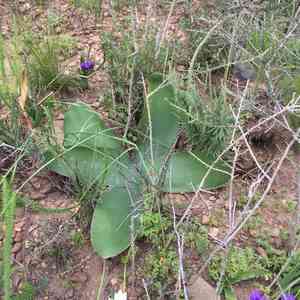
The optimal period for relocating april-fool is at the onset of vigorous development, as late spring transitions into early summer. Choose a location featuring soil that drains effectively and offers dappled sunlight. During the transfer process, carefully manage the root mass to preserve its integrity.
What Preparations are Needed Before Transplanting April-fool?
What is the Ideal Time for Transplanting April-fool?
The perfect time to move april-fool is when spring's warmth transitions into early summer's gentle sun. This period ensures the soil is suitably prepared and welcoming, allowing april-fool's roots to settle and adapt more easily. Choosing this window takes advantage of longer days and milder nights, offering april-fool an ideal balance of cool recovery and nourishing sunlight, vital for its strength and flowering. Relocating during this phase promises a vigorous start for april-fool, setting it up for strong growth and thriving health.
How Much Space Should You Leave Between April-fool Plants?
Hello, gardening enthusiast! Before placing your lovely april-fool in its new spot, let's make sure it has ample room to flourish. Aim to leave approximately 6-8 inches (15-20 cm) of space between each plant. This will provide your april-fool with just enough room to expand and thrive!
What is the Best Soil Mix for April-fool Transplanting?
To ensure your april-fool is as content as possible, let's begin with the foundation – literally! Opt for soil that drains well and is abundant in organic material. Before transplanting, incorporate some balanced, slow-release fertilizer to give your april-fool a nourishing head start. Consider it a welcoming feast for your plant's root system!
Where Should You Relocate Your April-fool?
Your april-fool loves the sun, much like someone enjoying a summer beach day. Find a sunny location in your garden that receives ample light. A spot that bathes in direct sunlight for most of the day will have your april-fool absorbing rays and radiating happiness. Remember, more sunshine means a happier april-fool!
What Equipments Should You Prepare Before Transplantation April-fool?
Gardening Gloves
To safeguard your hands while handling soil and plants.
Garden Spade
To excavate the april-fool from its initial spot and to dig the new hole.
Garden Fork
To loosen the earth around the plant without harming its roots.
Watering Can or Hose
To hydrate the april-fool both before and after its relocation.
Trowel
To assist in removing smaller april-fool plants or refining the planting site.
Wheelbarrow
To move the april-fool and any required soil or compost.
Root Pruning Shears
To trim any damaged roots prior to transplanting.
Mulch
To aid in retaining soil moisture and regulating soil temperature after transplant.
How Do You Remove April-fool from the Soil?
How Do You Remove April-fool from the Soil?
From Ground: First, moisten the april-fool plant to dampen the soil. Then, using a garden spade or fork, dig a wide trench around the plant, ensuring the root ball remains intact. Gently work the tool beneath the root ball to lift the plant from its original position.From Pot: Water the april-fool thoroughly to facilitate its removal. Then, gently tap the pot's sides to loosen the soil. Turn the pot sideways and support the april-fool with your hand as you slide it out.From Seedling Tray: Water the seedlings completely. Use a trowel to carefully lift each april-fool seedling by its leaves, avoiding damage to the delicate roots and stem, then gently extract it from the tray.
Step-by-Step Guide for Transplanting April-fool
Preparation
Ensure all tools are clean and ready for use to prevent disease transmission.
Watering the april-fool
Water the plant thoroughly before beginning the transplanting process, as this helps reduce shock and simplifies plant removal.
Digging the new hole
Excavate a hole in the ground that is twice the width of the root ball and approximately the same depth to ensure the april-fool has ample space to establish itself in its new location.
Removing the april-fool
Follow the specific removal procedure based on the april-fool's original location – ground, pot, or seedling tray.
Root inspection
Once removed, examine the root system for any signs of disease or damage and use root pruning shears to trim if necessary.
Planting the april-fool
Position the april-fool in the center of the new hole at the same depth it was previously growing. Fill the area around the root ball with soil, firming it gently but being careful not to compact it excessively.
Watering after planting
Water the april-fool generously once it has been planted to settle the soil and provide hydration.
Mulching
Apply a layer of mulch around the base of the april-fool without touching the stem or leaves to help retain moisture and protect the roots.
How Do You Care For April-fool After Transplanting?
Watering
Ensure the soil around the april-fool remains consistently moist for the initial few weeks to aid root establishment. Be careful not to overwater and cause waterlogging.
Monitoring
Check the april-fool daily for the first couple of weeks to observe its health and look for any indications of transplant shock or pests.
Pruning
Lightly trim any damaged or dead leaves or stems to encourage healthy growth and direct energy to the roots.
Support
If the april-fool is tall or top-heavy, gently stake it to help it stay upright until its roots take hold and can support it.
Patience
Allow the april-fool time to adapt to its new location. Avoid moving it again too soon, as this can cause additional stress.
Troubleshooting Common Issues with April-fool Transplantation.
When is the best time to transplant april-fool?
The optimal period for relocating april-fool is during late spring to early summer for ideal root establishment.
How much space is needed between april-fool plants when transplanting?
Allow 6-8 inches (15-20 cm) between april-fool plants for sufficient growth room and air circulation.
Why is my april-fool wilting after transplanting?
Wilting after transplant may indicate shock. Ensure adequate watering and avoid direct sunlight for a few days.
How deep should I plant april-fool when transplanting?
Bury the roots of april-fool to the same depth as it was in its previous container to prevent stem rot.
Can I transplant april-fool during the blooming season?
It's best to avoid transplanting during flowering. Wait until late spring into early summer when blooms are dormant.
How often should I water april-fool after transplanting?
Water april-fool generously after transplanting, then maintain moderate moisture until it is established.
What type of soil is best for transplanting april-fool?
Use well-draining soil rich in organic matter to keep april-fool's roots healthy.
Should I fertilize april-fool after transplanting?
Wait a few weeks before applying a balanced, slow-release fertilizer to prevent burning delicate roots.
How to protect newly transplanted april-fool from pests?
Monitor regularly for pests. Use organic insecticides or barriers, being gentle to avoid stressing the plants.
Is there a way to minimize transplant shock in april-fool?
Yes, keep the surrounding soil moist and provide shade over the first week to ease transition stress.



