How to Prune April-fool?
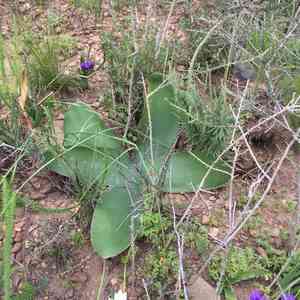
This perennial, characterized by its star-shaped blossoms and elongated leaves, thrives with careful trimming. Detach faded flower stems once they've bloomed and snip away any discolored or lifeless foliage. Perform this trimming in late spring or summer, directly after the flowering phase, to foster vigorous growth and revitalization. Proper pruning maintains a neat look and channels energy into strong bulb formation for the subsequent year. Refrain from over-trimming, as april-fool's leaves are crucial for photosynthesis and bulb sustenance.
Advantages of Trimming April-fool
Advantages of Trimming April-fool
Trimming april-fool promotes robust development and maintains its form, ensuring an attractive appearance while fostering a strong structure.
Optimal Period for Pruning April-fool
Optimal Period for Pruning April-fool
Pruning april-fool in spring coincides with its post-dormancy growth surge, allowing the plant to recover quickly and utilize the trimmed shape to encourage vigorous growth. Early summer provides another ideal window as april-fool has finished its primary blooming phase, typically avoiding the stress that late summer heat might cause. Trimming during these times ensures that non-essential growth or faded flowers are removed before the plant allocates resources to seed production, promoting a healthier plant structure and more vigorous growth in the subsequent season.
Required Tools for Pruning April-fool
Bypass Pruners
Perfect for making clean cuts on the green stems of april-fool, bypass pruners inflict less damage to plant tissues, encouraging healthier regrowth.
Sharp Scissors
Useful for trimming smaller or softer parts of april-fool, such as spent blooms or minor foliage shaping. Sharp blades ensure precise cuts without bruising the plant.
Gloves
Protective gloves are crucial to shield hands from april-fool's potential irritants or sharp edges during pruning activities.
How to Prune April-fool
Clean tools
Before beginning, disinfect your pruning shears with rubbing alcohol or a 10% bleach solution to prevent spreading diseases to april-fool.
Remove diseased leaves
Carefully snip off any leaves showing signs of illness, using your sanitized shears to cut them at the base where they meet the stem, to enhance the health and look of april-fool.
Trim withered leaves
Identify withered or dead leaves and remove them by cutting at the base to encourage april-fool to direct its energy towards healthy growth.
Prune diseased stems
Cut back any stems that exhibit disease, making incisions at a 45-degree angle just above a healthy set of leaves or nodes to stimulate new growth in april-fool.
Clean up
Dispose of all removed material away from your garden to prevent the spread of any disease, and clean your tools again after finishing pruning april-fool.
Common Pruning Errors with April-fool
Over-pruning
Removing too much foliage from april-fool can stress the plant, leading to stunted growth or reduced flowering.
Improper cuts
Incorrect cutting techniques may result in jagged or torn stems, leaving april-fool vulnerable to pests and diseases.
Pruning healthy growth
Cutting away healthy, unblemished leaves or flower stalks can limit april-fool's potential for bloom and overall vigor.
Using dull tools
Pruning april-fool with dull instruments can damage the tissues, making the plant less resilient and more susceptible to infections.
Neglecting to clean tools
Failing to sterilize pruning equipment before and after use on april-fool can spread pathogens between plants.
General Pruning Advice for April-fool
Selective pruning
Focus on removing only dead or dying foliage from april-fool, as this will prevent unnecessary stress and promote healthier growth.
Correct tool use
Use sharp and sanitized pruning shears for making clean cuts that will heal quickly and minimize the risk of disease.
Prune to shape
Lightly prune april-fool to maintain its desirable shape, being careful not to remove more than necessary for aesthetics.
Post-bloom care
After april-fool has finished flowering, trim away the spent flower stalks to redirect energy towards foliage and root development.
Rejuvenation strategy
If april-fool appears overgrown or with reduced flowering, consider moderate rejuvenation pruning to encourage fresh growth and blooms in subsequent seasons.



