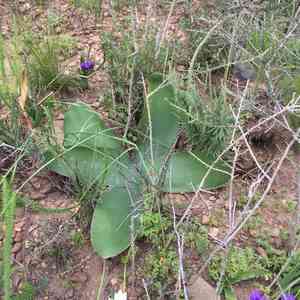
April-fool (Crossyne guttata)
Also known as: none
April-fool is a bulbous plant with a distinctive spotted appearance, boasting strap-shaped leaves and robust stalks. Its large umbels bloom with starry, yellow-hued flowers, each petal marked with a unique pattern of brown speckles. Thriving in sandy habitats, april-fool leverages its bulb to store nutrients, an adaptation essential for survival amidst the arid conditions of its native South African fynbos ecosystem.
In This Article
Attributes of April-fool
Lifespan
Perennial
Plant Type
Herb
Plant Height
43 cm
Spread
15-25 cm
Leaf Color
Green with reddish-brown spots
Flower Size
2.5 cm
Flower Color
White Red Purple Pink
Images of April-fool

Quickly Identify April-fool
1
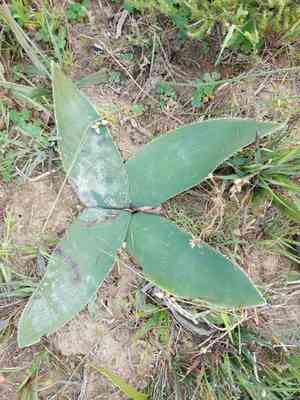
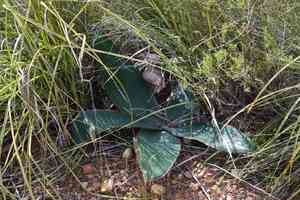
To identify Crossyne guttata, look for broad, strap-like leaves covered in reddish-brown spots. The plant produces large, star-shaped, pink or red flowers.
Scientific Classification of April-fool
Phylum
Vascular plants
Class
Monocotyledons
Order
Asparagales
Family
Amaryllis
Genus
Crossyne
Species
April-fool
Planting and Growing of April-fool
Care Difficulty
Easy
Watering Schedule
Every day
Sunlight Requirements
Full sun
Sunshine Duration
4-6 hours
Ideal Temperature
60-75℉
Soil Type
Potting Mix, Peat Mix
Soil pH
6.5-7.5
Fertilizer Type
Balanced
Pruning Season
Spring, Summer
Pruning Area
Branches, Leaves
Pruning Frequency
2 times a year
Repotting Season
Spring
Pot Type
Plastic, Terracotta
 How to Water April-fool?
Crossyne guttata is a desert plant that thrives with minimal water. Give it around 200 ml each watering session, ensuring the soil becomes damp but not saturated. The principle is to emulate occasional desert rains, which means the soil should dry out almost completely before the next session.
What are the symptoms of an underwatered April-fool?
›
What should I do if my April-fool is not getting enough water?
›
What are the symptoms of an overwatered April-fool?
›
How to save an overwatered April-fool?
›
 What Are the Sunlight Requirements for April-fool?
Crossyne guttata thrives in full to partial sun exposure, optimizing chlorophyll production leading to robust blooms and foliage, vital for plant health and appearance.
Optimal Sunlight Exposure?
›
How to Adjust Light Levels?
›
Benefits of Ideal Lighting?
›
 What Is the Ideal Temperature Range for April-fool?
Crossyne guttata thrives best in temperatures ranging from 60°F to 75°F. This range supports the plant's photosynthesis process and overall growth, ensuring that the leaves and flowers are vibrant and healthy. Maintaining this temperature helps in preventing stress-related issues that could compromise its health.
 What Soil is Best for April-fool?
Crossyne guttata thrives in well-drained soil which prevents root rot and ensures healthy growth. This requirement supports effective water movement in the soil, keeping the bulb dry between waterings. A nutrient-rich environment is crucial for the robust health of Crossyne guttata. It aids in vibrant leaf formation and flowering. Organic matter mixed into the soil can enhance its fertility. Loamy soils that are well-aerated promote strong root development. This is vital for Crossyne guttata to absorb nutrients efficiently and anchor firmly, making it less susceptible to transplant shock.
 How to Fertilize April-fool?
Crossyne guttata requires a balanced fertilizer application, typically at about half the strength recommended for other houseplants. During its growing season, it's essential to follow the guidelines to ensure the plant receives the nutrients it needs without stressing it with excess salts.
 How to Prune April-fool?
Use clean, sharp pruners to avoid damaging the plant. Sterilizing your tools with alcohol or a diluted bleach solution helps prevent the spread of disease. Begin by removing any dead, diseased, or damaged leaves. Cut them back to the base of the plant. Next, trim any excessively long leaves to maintain a tidy appearance, cutting close to the bulb without injuring it. Prune Crossyne guttata in early spring or after the flowering period to avoid cutting away developing flower buds. This timing aligns with its natural growth cycle, allowing for recovery and regrowth.
More About Pruning Techniques→
 How to Propagate April-fool plant?
1
Collect seeds from mature Crossyne guttata plants. Clean them to remove any flesh and allow them to dry before sowing to avoid any risk of mold or infection.
2
Sow the seeds thinly and evenly over the surface of the potting mix. Cover them lightly with a thin layer of the mix. Ensure they are not buried too deep as this can inhibit germination.
3
Lightly water the seeds ensuring even moisture without over-watering. Place the trays in a bright, warm location, but avoid direct sunlight which can cause the mix to dry out too quickly.
 How to Repot April-fool plant?
1
Repot Crossyne guttata when you start noticing that the roots are circling the pot or when growth seems stunted despite proper care. Another sign is when you observe the soil retains too much moisture, indicating compaction. The ideal time to repot is in early spring or autumn to let the plant establish itself before extreme temperatures occur.
2
Select a pot that's slightly larger than the current one, ensuring it has adequate drainage holes. A pot with excellent drainage promotes healthy root growth by preventing waterlogging, which is crucial for Crossyne guttata. Overly large pots can retain too much water, so balance size and drainage.
3
Opt for a well-draining sandy soil mix, which mimics the plant's natural habitat. A mixture of cactus potting mix with added sand or perlite works wonderfully. This combination ensures adequate drainage, prevents root rot, and allows for proper airflow, keeping the roots healthy.



