How to Transplant Canada frostweed?
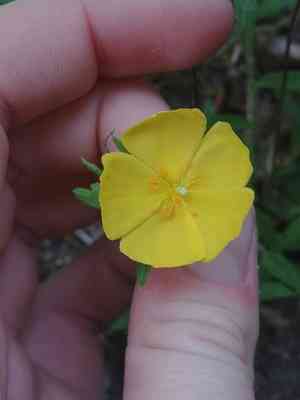
Canada frostweed 1 flourishes optimally when transplanted from the vigor of late spring into mid-summer, allowing for proper establishment. Choose a bright location featuring soil that drains effectively, and supply regular hydration once it has acclimated.
What Preparations are Needed Before Transplanting Canada Frostweed?
What is the Ideal Time for Transplanting Canada Frostweed?
The perfect time for moving canada frostweed is during the pleasant period of late spring extending into the vigor of mid-summer. This timing aligns with canada frostweed's growth cycle, promoting easy root establishment in the milder weather. Early transplant ensures roots strengthen before winter, creating a strong base for canada frostweed to thrive.
How Much Space Should You Leave Between Canada Frostweed Plants?
When relocating canada frostweed, ensure they have ample room to grow. Position them approximately 12-18 inches (30-46 cm) apart. This spacing guarantees sufficient air circulation and development for each plant.
What is the Best Soil Mix for Canada Frostweed Transplanting?
Canada frostweed prefers soil that drains well and has some fertility. Incorporate compost or a balanced, slow-release fertilizer into your garden soil to give your canada frostweed an excellent start. Aim for a soil pH that is close to neutral.
Where Should You Relocate Your Canada Frostweed?
Select a sunny location for your canada frostweed as they flourish in bright light. An area that receives full sun for at least 6-8 hours daily is optimal. Morning sunlight with some afternoon shade can also be suitable.
What Equipments Should You Prepare Before Transplantation Canada Frostweed?
Gardening Gloves
To safeguard your hands while handling soil and plants.
Shovel or Spade
To excavate the canada frostweed without harming its root system.
Garden Fork
To loosen the soil around the plant's roots and enhance soil aeration.
Watering Can or Hose
To hydrate the canada frostweed before and after its relocation.
Wheelbarrow or Garden Cart
For conveniently moving the canada frostweed and soil.
Pruning Shears
For trimming any damaged roots or foliage.
Measuring Tape
To ensure correct spacing between multiple transplanted plants.
How Do You Remove Canada Frostweed from the Soil?
How Do You Remove Canada Frostweed from the Soil?
From Ground: First, moisten the canada frostweed plant to soften the soil. Next, dig a wide trench around the plant using a shovel or spade, making sure the plant's root ball stays intact. Carefully work the spade beneath the root ball to lift the plant from its original spot.From Pot: Water the canada frostweed plant sufficiently. Tilt the pot sideways and tap the bottom to loosen it. Support the plant by its base and gently pull it out, trying to keep the soil and root structure together.From Seedling Tray: Dampen the soil in the seedling tray. Use a small tool or stick to carefully remove the canada frostweed seedling from its compartment, taking care to preserve the root ball.
Step-by-Step Guide for Transplanting Canada Frostweed
Digging the Hole
Prepare a hole in the ground that is twice as wide and equally as deep as the root ball of the canada frostweed.
Root Inspection
Examine the roots of the canada frostweed once it's removed from its initial location. Trim any damaged or dead roots using pruning shears.
Plant Positioning
Place the canada frostweed in the center of the prepared hole, ensuring it is upright and at the same depth it was growing previously.
Soil Replacement
Refill the hole with soil, gently pressing down the soil around the canada frostweed's roots to eliminate air pockets.
Watering
Water the canada frostweed thoroughly after planting to settle the soil and provide moisture to the roots.
Mulching
Apply a layer of mulch around the base of the canada frostweed, keeping the mulch a few inches away from the stem to prevent rot.
How Do You Care For Canada Frostweed After Transplanting?
Regular Watering
Water the canada frostweed as necessary to maintain moisture, especially during dry periods, until it is well established.
Mulching
Maintain the mulch layer to retain soil moisture and regulate temperature.
Weeding
Keep the area around the canada frostweed clear of weeds, which can compete for nutrients and water.
Monitoring
Check on the canada frostweed frequently for signs of stress such as wilting or discoloration and address any issues promptly.
Pruning
Trim any damaged or diseased stems to encourage healthy new growth.
Troubleshooting Common Issues with Canada Frostweed Transplantation.
What's the optimal time to transplant canada frostweed?
The best time to move canada frostweed is when late spring's warmth or midsummer's mildness is present.
How far apart should I space canada frostweed apart when transplanting?
Allow each canada frostweed ample room by spacing them 12-18 inches (30-45 cm) apart.
What soil conditions favor canada frostweed after transplanting?
After relocation, canada frostweed thrives in well-drained soil enriched with organic matter.
How do I prepare canada frostweed for transplant?
Gently loosen the soil around canada frostweed, keep the root ball intact, and hydrate before moving.
Why is my transplanted canada frostweed wilting?
Wilting might indicate shock. Ensure it's well-watered and initially protected from intense sunlight.
How much sunlight does transplanted canada frostweed need?
Post-transplant, position canada frostweed in a spot receiving full to partial sunlight daily.
How do I water canada frostweed after transplanting?
Canada frostweed requires consistent moisture but dislikes soggy conditions; water when the topsoil feels dry.
Can I fertilize canada frostweed immediately after transplanting?
Refrain from fertilizing right after transplanting; allow canada frostweed to settle for a few weeks.
How deep should I plant canada frostweed during transplanting?
Dig a hole for canada frostweed that matches the root ball's depth and is twice its width.
My canada frostweed looks stressed after transplanting, what should I do?
Stress is normal; maintain soil moisture and shield canada frostweed from harsh conditions until it recovers.



