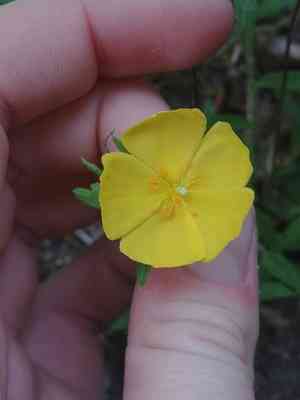
Canada frostweed (Crocanthemum canadense)
Also known as: Canada Frostweed, Rock Rose
The Crocanthemum canadense, commonly called frostwort or long branch frostweed, is a perennial native to eastern North America. Its stems and leaves are adorned with tiny hairlike structures. Each stem usually produces a single flower that blooms for just one day before fading.
In This Article
Attributes of Canada frostweed
Lifespan
Perennial
Plant Type
Herb, Shrub
Plant Height
20 cm to 61 cm
Spread
N/A (herbaceous plant)
Leaf Color
Green
Flower Size
1.9 cm to 3 cm
Flower Color
Yellow
Images of Canada frostweed
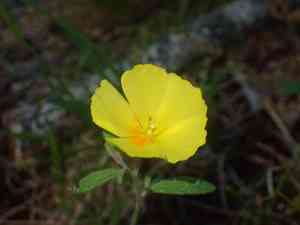
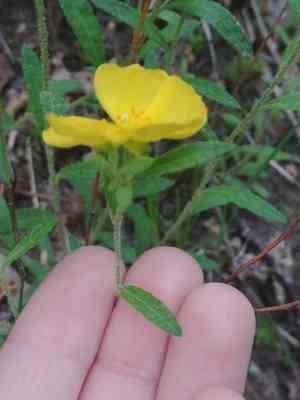
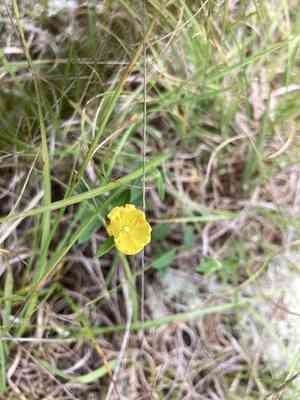
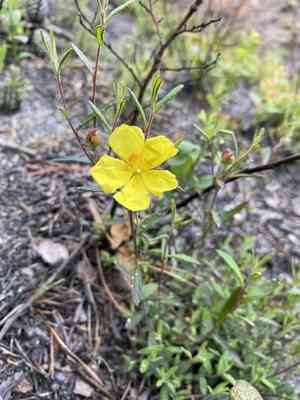
Quickly Identify Canada frostweed
1
Crocanthemum canadense can be identified by its bright yellow flowers with five petals, hairy stems, and narrow, oblong leaves. The plant typically grows close to the ground and prefers sandy, well-drained soils.
Scientific Classification of Canada frostweed
Phylum
Vascular plants
Class
Dicotyledons
Order
Malvales
Family
Rock roses
Genus
Frostweeds
Species
Canada frostweed
Planting and Growing of Canada frostweed
Care Difficulty
Easy
Watering Schedule
Every 3 days
Sunlight Requirements
Full sun
Sunshine Duration
4-8 hours
Ideal Temperature
60-75℉
Soil Type
Potting Mix, Peat Mix
Soil pH
6.5-7.5
Fertilizer Type
Balanced
Pruning Season
Spring, Summer
Pruning Area
Branches, Leaves
Pruning Frequency
2 times a year
Repotting Season
Spring
Pot Type
Plastic, Ceramic
 How to Water Canada frostweed?
Crocanthemum canadense, commonly known as the Canada Frostweed, thrives with careful watering that mimics its natural dry environments. A suitable amount is 200 ml per watering session. This is typically enough to moisten the soil without creating a soggy environment that can lead to root rot. When watering, ensure that the liquid penetrates the soil to a depth of about 1 to 2 inches, enough to reach the plant's root zone but not saturate it. Remember, consistency is key, and it's better to water thoroughly but less frequently, allowing the soil to dry out in between.
What are the symptoms of an underwatered Canada frostweed?
›
What should I do if my Canada frostweed is not getting enough water?
›
What are the symptoms of an overwatered Canada frostweed?
›
How to save an overwatered Canada frostweed?
›
 What Are the Sunlight Requirements for Canada frostweed?
Crocanthemum canadense's ideal light range is full sun exposure, which supports energetic growth and maximizes blooming potential, fulfilling its natural requirements.
What is the best light exposure for Crocanthemum canadense?
›
How can I achieve ideal lighting for Crocanthemum canadense?
›
What benefits does ideal lighting bring to Crocanthemum canadense?
›
 What Is the Ideal Temperature Range for Canada frostweed?
Crocanthemum canadense thrives best in environments where the temperatures are between 60°F and 75°F. These conditions mimic its natural habitats, offering the right balance of warmth and coolness that facilitates optimal growth. Within this range, the plant can carry out photosynthesis efficiently, ensuring healthy development and vibrant blooms.
 What Soil is Best for Canada frostweed?
Crocanthemum canadense thrives in well-drained soil which prevents waterlogging that can lead to root rot. This encourages healthy root development and optimal growth. While resilient, Crocanthemum canadense benefits from soils enriched with organic matter, providing essential nutrients that support vigorous blooming and leaf health. Aeration is key in sandy soils, ensuring roots receive enough oxygen, promoting healthy root function and facilitating nutrient uptake.
 How to Fertilize Canada frostweed?
For Crocanthemum canadense, it's crucial to provide just enough nourishment without overwhelming it. Typically, applying a balanced liquid fertilizer diluted to half-strength about twice a month during its growing season—spring through early summer—is adequate. Aim for a formulation such as 10-10-10 or similar, emphasizing moderation.
 How to Prune Canada frostweed?
Examine the plant for any dead or diseased branches. These should be removed first to prevent the spread of disease and to encourage fresh, healthy growth. Trim the outer branches lightly to maintain the plant’s natural shape. Ensure you cut just above a set of healthy leaves or buds to encourage growth in the desired direction. Employ the 'three-cut method' for larger branches. This involves making an undercut first, then a top cut slightly further out, and finally removing the stump that remains, which helps reduce tearing.
More About Pruning Techniques→
 How to Propagate Canada frostweed plant?
1
Collect mature seeds from Crocanthemum canadense and sow them in a seedling tray filled with quality seed-starting mix. Ensure seeds are lightly covered with soil and kept moist until germination.
2
Select healthy, non-flowering shoots and cut 4-6 inches sections using sterilized pruning shears. Remove the lower leaves to expose nodes that will root in the soil.
3
Carefully dig up mature plants and divide them into smaller sections, ensuring each section has roots and shoots. Replant them immediately in well-draining soil in desired locations.
 How to Repot Canada frostweed plant?
1
Repotting signs for Crocanthemum canadense include roots emerging from the drainage holes and compacted soil which restricts root growth. It's best to perform repotting during early Spring or Autumn to minimize stress.
2
Select a pot that is only slightly larger than the current one, ensuring about an inch of space all around. A pot that's too large holds excess water, increasing root rot risk. Ensure the pot has sufficient drainage holes for excess water to escape, preventing overwatering issues.
3
Choose a well-draining sandy soil mix to replicate this plant's natural environment. Such a soil ensures proper aeration and drainage, preventing root rot and encouraging healthy growth of Crocanthemum canadense.
Learn More About Canada frostweed Diseases
Anthracnose
Bacterial Leaf Spot
Bacterial Wilt
Black Spot
Chemical Injury
Crown Gall
Cyst Nematode
Damping-off
Downy Mildew
Drought Stress
Fusarium Wilt
Gray Mold
Leaf Spot
Mosaic
Nutrient Deficiency
Nutrient Toxicity
Powdery Mildew
Root Rot
Root-knot Nematode
Rusts
Sooty Mold
Spider Mites
Temperature Stress
Thrips Damage
White Mold



