How to Prune Canada frostweed?
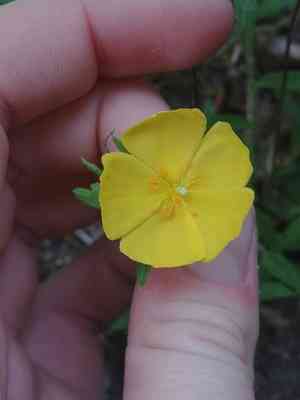
This enduring herbaceous plant flourishes in arid, sun-drenched environments and is recognized for its vibrant yellow blossoms. Optimal pruning occurs in late spring or early summer, and canada frostweed benefits from the removal of spent flowers to stimulate additional flowering and sustain the plant's robustness. Trim withered flower stalks to soil level to foster a neat aesthetic. This type of trimming revitalizes canada frostweed, improving both its development and its floral presentation. Always employ sanitized, keen implements to avert illness and lessen the plant's strain.
What Are the Benefits of Pruning Canada Frostweed?
What Are the Benefits of Pruning Canada Frostweed?
Trimming canada frostweed promotes robust development and helps maintain its desired form, ensuring a healthier and visually appealing plant.
What Is the Best Time for Pruning Canada Frostweed?
What Is the Best Time for Pruning Canada Frostweed?
Trimming canada frostweed in late spring aligns with the period after flowering, allowing gardeners to shape the plant and remove spent blooms, which encourages healthier growth and prepares the plant for its next flowering cycle. Pruning in early summer can help manage the size and preserve the desired shape of canada frostweed, while ensuring that any removed growth will not negatively impact the plant's health, as it is still early in the growing season, thus giving canada frostweed ample time to recover and produce new growth before autumn arrives.
What Tools Do I Need to Prune Canada Frostweed?
Hand Pruners
Perfect for cutting stems and small branches of canada frostweed. This tool enables precise cuts without causing unnecessary harm to the plant. Opt for bypass pruners for cleaner cuts, especially beneficial for fostering healthy growth and preventing diseases.
Pruning Shears
Suitable for shaping canada frostweed and managing its spread. These shears allow gardeners to make quick and effective trims to maintain the desired plant form and encourage denser foliage.
Gardening Gloves
Though not a cutting implement, gloves are crucial for protecting the gardener's hands from thorns or rough plant material while trimming canada frostweed. They offer safety and a better grip on the pruning tools.
How to Prune Canada Frostweed
Clean tools
Before trimming canada frostweed, sanitize pruning shears or scissors with isopropyl alcohol or a 10% bleach solution to prevent the spread of pathogens.
Remove diseased leaves
Carefully inspect canada frostweed for diseased foliage. Use your sterile pruners to snip off the affected leaves at the base of their stems, making clean cuts without tearing the tissue.
Prune withered leaves
Identify withered or dead leaves on canada frostweed. Snip these leaves off at the point where they meet healthy tissue or the main stem to promote vigorous growth and improve air circulation.
Trim diseased stems
Locate any stems on canada frostweed that exhibit signs of disease. Cut these stems back to healthy tissue, ensuring a slightly angled cut to facilitate water runoff and prevent potential rot.
Cleanup
After trimming canada frostweed, collect and dispose of all removed plant material to reduce the chance of disease spread. Clean your tools again and allow them to air dry.
Common Pruning Mistakes with Canada Frostweed
Over pruning
Removing too much growth at once can stress canada frostweed, leading to weakened health and reduced blooming.
Improper cut locations
Cutting too far from a bud or node, or too close to it, can cause stem dieback or prompt weak, spindly growth.
Using dull tools
Dull pruning shears can damage stems, creating jagged cuts that are more susceptible to disease and pests.
Neglecting tool hygiene
Failing to sanitize tools between plants can spread diseases, especially if pruning multiple canada frostweed or other species.
Ignoring plant structure
Not considering the natural form of canada frostweed can result in an unnatural appearance and may inhibit growth patterns.
Common Pruning Tips for Canada Frostweed
Selective pruning
Focus on removing only dead, diseased, or damaged stems to maintain the health and natural shape of canada frostweed.
Cut angle
Make cuts at a 45-degree angle just above a bud or node to promote healthy regrowth and prevent water accumulation, which can lead to rot.
Timing removal
While avoiding the best season information, prune promptly when problems are spotted to prevent further damage or disease spread.
Tool choice
Use sharp, clean pruning shears or scissors designed for precision work on smaller plants like canada frostweed.
Rejuvenation approach
If canada frostweed has become leggy or overgrown, consider a more aggressive pruning approach to rejuvenate and encourage bushier growth.



