How to Transplant Smallflower hawksbeard?
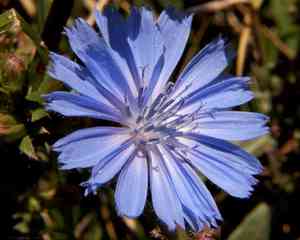
The most favorable period for relocating smallflower hawksbeard is during the peak of spring, which guarantees a smooth transition to their new environment. Select a brightly lit area featuring soil that drains effectively. Enhance the soil with compost to foster vigorous development.
What Preparations are Needed Before Transplanting Smallflower Hawksbeard?
What is the Ideal Time for Transplanting Smallflower Hawksbeard?
The optimal period for relocating smallflower hawksbeard extends from the onset of early spring to the pleasant warmth of late spring. Moving them during this timeframe aligns with their natural growth cycle, fostering strong root development before summer. Promptly transferring smallflower hawksbeard to your garden during these months ensures they benefit from cooler temperatures and spring rains, providing the gentle conditions necessary for successful adaptation and vigorous growth. This approach leverages spring's nurturing environment, giving your smallflower hawksbeard a head start to thrive.
How Much Space Should You Leave Between Smallflower Hawksbeard Plants?
To provide your smallflower hawksbeard with ample room to thrive, aim for generous spacing between them. Position them approximately 6-8 inches (15-20 cm) apart. This ensures they have sufficient area to develop robustly and healthily!
What is the Best Soil Mix for Smallflower Hawksbeard Transplanting?
For your smallflower hawksbeard, a well-draining loamy soil will be perfectly suitable! Prior to planting, incorporate a mild, slow-release fertilizer to give your plants an initial boost. This will aid their establishment and promote strong growth from the outset!
Where Should You Relocate Your Smallflower Hawksbeard?
Your smallflower hawksbeard will thrive in a sunny location that receives several hours of direct sunlight daily. Select a spot with ample light exposure to ensure your plants acquire the energy needed for magnificent growth and vibrant blooms!
What Equipments Should You Prepare Before Transplantation Smallflower Hawksbeard?
Gardening Gloves
To safeguard your hands while handling soil and plants.
Trowel
For excavating small holes or adjusting earth around the plant.
Watering Can or Hose with a Gentle Spray Setting
To hydrate the smallflower hawksbeard before and after relocation.
Hand Fork or Soil Knife
To assist in loosening the soil around the plant's root system during extraction.
Measuring Tape
To guarantee appropriate spacing between transplanted specimens.
Garden Spade or Shovel
For digging up the plant from its original spot if it's in the ground.
Wheelbarrow or Garden Cart
To move the smallflower hawksbeard from one place to another if necessary.
How Do You Remove Smallflower Hawksbeard from the Soil?
How Do You Remove Smallflower Hawksbeard from the Soil?
From Ground: First, moisten the smallflower hawksbeard to dampen the soil. Next, excavate a wide circle around the plant with a garden spade, taking care not to harm the root ball. Use the spade to gently lift the entire plant from the ground.From Pot: Hydrate the smallflower hawksbeard to facilitate root ball removal. Invert the container and tap its base while supporting the plant with your other hand until it slides out. If it resists, carefully loosen the soil along the pot's edges.From Seedling Tray: Water the smallflower hawksbeard seedlings initially. Employ a hand fork or a soil knife to carefully extract each seedling from its cell without damaging the delicate roots. Hold the seedlings by their leaves rather than their stems to prevent injury.
Step-by-Step Guide for Transplanting Smallflower Hawksbeard
Digging the Hole
Excavate a hole in the ground that is twice the width of the smallflower hawksbeard's root ball and of equal depth. This allows the roots to spread easily.
Prepare the smallflower hawksbeard
Remove any withered leaves or damaged roots. Gently untangle the roots if they are compressed or circling.
Placing the smallflower hawksbeard
Position the smallflower hawksbeard in the center of the hole so it sits at the same level it was originally growing. The top of the root ball should be flush with the surrounding soil surface.
Filling the Hole
Carefully backfill around the root ball with soil, gently firming it with your hands to eliminate air pockets.
Watering
After planting, thoroughly water the smallflower hawksbeard to settle the soil around the roots and remove any remaining air gaps.
Mulching
Apply a layer of mulch around the smallflower hawksbeard to help retain soil moisture and deter weeds. Leave some space around the stem to prevent rot.
How Do You Care For Smallflower Hawksbeard After Transplanting?
Initial Watering
Water the smallflower hawksbeard generously after transplanting and maintain moist soil for the initial few weeks as the plant establishes itself.
Monitoring
Regularly inspect the smallflower hawksbeard for indications of stress, such as wilting or discolored foliage, which may suggest a need for more water or an adjustment in care.
Support Structures
If the smallflower hawksbeard exhibits signs of weakness or cannot stand upright, provide support with stakes or ties to encourage strong, vertical growth.
Troubleshooting Common Issues with Smallflower Hawksbeard Transplantation.
When is the ideal time to transplant smallflower hawksbeard?
The optimal period is from early to late spring when the soil is workable and temperatures are mild.
What spacing should I keep when transplanting smallflower hawksbeard?
Space the plants approximately 6-8 inches (15-20 cm) apart to provide adequate room for growth.
How deep should I plant smallflower hawksbeard seedlings when transplanting?
Plant seedlings at the same depth they were growing in their previous container.
Do I need to water smallflower hawksbeard immediately after transplanting?
Yes, provide a gentle but thorough watering to help the roots establish in their new location.
Should I amend the soil when transplanting smallflower hawksbeard?
It's beneficial to incorporate some compost or well-rotted manure to enrich the soil.
Can smallflower hawksbeard be transplanted on a hot, sunny day?
Transplant on a cloudy day or in the evening to minimize transplant shock and moisture loss.
What should I do if my smallflower hawksbeard wilts after transplanting?
Ensure it's well-hydrated and shaded from intense sun for a few days to recover from shock.
How can I protect smallflower hawksbeard seedlings from pests after transplanting?
Regularly check for pests and use appropriate organic or chemical controls if necessary.
Why are my smallflower hawksbeard seedlings' leaves turning yellow after transplanting?
This could be due to overwatering, under-watering, or a nutrient deficiency. Adjust care accordingly.
How often should I water smallflower hawksbeard after transplanting?
Water regularly to keep the soil consistently moist, but not waterlogged, until they are established.



