How to Prune Smallflower hawksbeard?
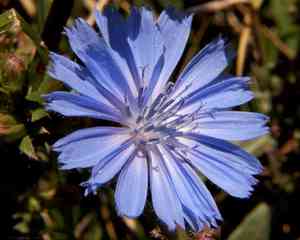
Smallflower hawksbeard, known for its delicate blossoms covering fields, needs very little trimming. Removing faded flowers promotes new blooms and stops the plant from reseeding itself. In spring, perform light pruning to eliminate dead leaves, encourage denser growth, and preserve the plant's well-being. Throughout the active growing seasons of summer and autumn, deadheading is crucial. Pruning during these periods helps maintain a neat look and encourages more flowers. Correct timing guarantees a vibrant, dense plant with improved strength and extended flowering durations.
What Are the Benefits of Pruning Smallflower Hawksbeard?
What Are the Benefits of Pruning Smallflower Hawksbeard?
Trimming smallflower hawksbeard promotes robust development and helps maintain its form for visual appeal. By selectively removing parts, gardeners can foster a strong structure and reduce congestion, allowing light and air to reach the core for enhanced vitality.
What Is the Best Time for Pruning Smallflower Hawksbeard?
What Is the Best Time for Pruning Smallflower Hawksbeard?
Trimming or cutting smallflower hawksbeard in Spring is ideal as it stimulates healthy new growth following the dormant winter period. This aligns with the plant's natural growth cycle, preparing it for the active growing season. Summer trimming is beneficial for shaping the plant and managing its size, ensuring it doesn't waste energy on unwanted or excessive growth, which can detract from its health and appearance. Fall pruning focuses on removing any dead or diseased foliage before entering the dormant winter phase. This helps maintain overall health and prevents potential issues from worsening during colder months when the plant's defenses are weaker. It is crucial to avoid pruning during the flowering period, as trimming then can reduce blooming potential and remove developing seeds or fruits.
What Tools Do I Need to Prune Smallflower Hawksbeard?
Bypass Pruners
Perfect for making clean cuts on the green stems of smallflower hawksbeard without crushing plant tissues. They operate like scissors, with two blades 'passing by' each other to make the cut.
Pruning Shears
Suitable for trimming and shaping smallflower hawksbeard, offering precision for snipping small stems, leaves, and flower heads.
Garden Scissors
Useful for deadheading and cutting back spent flowers of smallflower hawksbeard, allowing for greater control over the snipping process.
How to Prune Smallflower Hawksbeard
Disinfect tools
Before beginning, ensure all pruning tools are clean and sanitized to prevent disease transmission to smallflower hawksbeard.
Remove withered leaves
Carefully remove any withered or dead leaves from smallflower hawksbeard using sharp scissors or pruning shears. Cut close to the leaf stem's base to avoid leaving stubs that could rot.
Inspect plant
Examine the rest of smallflower hawksbeard for any signs of disease or additional dead material that needs removal. Pay close attention to the plant's base and inner foliage where withered material might be hidden.
Thin out dense areas
Thin out any dense foliage areas on smallflower hawksbeard to improve light penetration and air circulation, which will encourage healthier growth.
Cleanup
After pruning smallflower hawksbeard, clear away all removed material from around the plant to deter pests and diseases. Dispose of withered leaves and other plant debris properly.
Common Pruning Mistakes with Smallflower Hawksbeard
Overpruning
Removing too much foliage from smallflower hawksbeard at once can hinder growth and make the plant vulnerable to diseases or pests. It is detrimental to the plant's overall health.
Incorrect cuts
Making cuts that are neither clean nor at the correct angle can cause unnecessary damage to smallflower hawksbeard and may create entry points for disease.
Disregarding health
Neglecting to remove only the unhealthy or dead portions and cutting into healthy tissue can stress smallflower hawksbeard, potentially leading to reduced vigor and bloom.
Tools maintenance
Using dull or unclean pruning tools can result in jagged cuts and introduce pathogens to smallflower hawksbeard, impairing its healing process.
Pruning for shape
Focusing excessively on shaping smallflower hawksbeard without considering its natural growth pattern may impede its development and affect its flowering.
Ignoring growth stage
Pruning smallflower hawksbeard when it is not at an appropriate stage of growth can either delay or prevent flowering.
Common Pruning Tips for Smallflower Hawksbeard
Clean cuts
Use sharp, clean pruning shears to make precise cuts on smallflower hawksbeard, which will help the plant heal more quickly and reduce disease risk.
Deadheading
Remove spent flowers of smallflower hawksbeard to encourage further blooming and prevent the plant from expending energy on seed production.
Healthy tissue
When pruning smallflower hawksbeard, always leave healthy tissue intact to allow for continued growth and a healthier plant structure.
Regular inspection
Regularly inspect smallflower hawksbeard for dead or diseased stems and leaves to maintain the plant's health and appearance.
Tool disinfection
Sanitize pruning tools before and after use on smallflower hawksbeard to prevent the spread of any pathogens to other plants or parts of the same plant.
Cutting technique
Prune smallflower hawksbeard back to just above a leaf bud at a 45-degree angle to promote new growth and improve air circulation within the plant.



