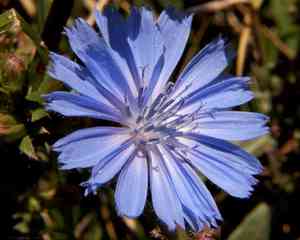
Smallflower hawksbeard (Crepis pulchra)
Also known as: Hawk's-beard, Greater Hawk's-beard
Smallflower hawksbeard (Crepis pulchra) is a member of the daisy family often found in fields, meadows, and even garden lawns. The genus name "Crepis" originates from the Greek word for "sandal," likely alluding to the shape of the plant's fruit.
In This Article
Attributes of Smallflower hawksbeard
Lifespan
Annual
Plant Type
Herb
Plant Height
1.02 m
Spread
15-30 cm
Leaf Color
Green
Flower Size
1.5-2.5 cm
Flower Color
Yellow
Images of Smallflower hawksbeard
Quickly Identify Smallflower hawksbeard
1
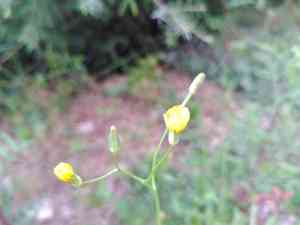
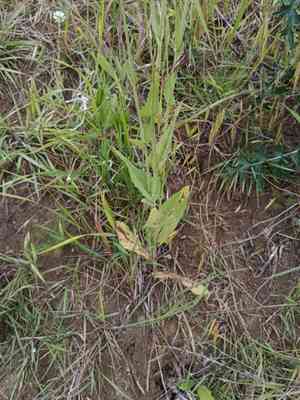
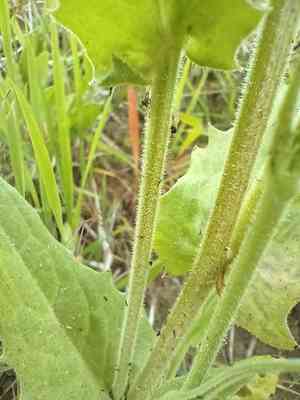
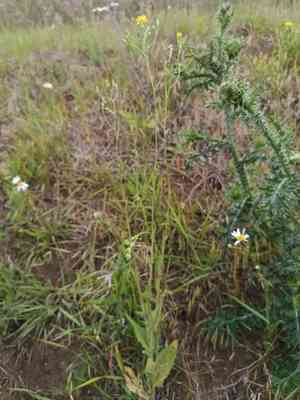
To identify Crepis pulchra, look for its slender, bristly stems that can grow up to 1 meter tall, and its dandelion-like yellow flowers. The leaves are narrow and lobed, and the plant typically grows in open meadows and grassy areas.
Scientific Classification of Smallflower hawksbeard
Phylum
Vascular plants
Class
Dicotyledons
Order
Asterales
Family
Daisy
Genus
Hawksbeard
Species
Smallflower hawksbeard
Planting and Growing of Smallflower hawksbeard
Care Difficulty
Easy
Watering Schedule
Every 2 days
Sunlight Requirements
Full sun
Sunshine Duration
4-6 hours
Ideal Temperature
50-77℉
Soil Type
Potting Mix, Peat Mix
Soil pH
6.5-7.5
Fertilizer Type
Balanced
Pruning Season
Spring, Summer
Pruning Area
Branches, Leaves
Pruning Frequency
2 times a year
Repotting Season
Spring
Pot Type
Plastic, Ceramic
 How to Water Smallflower hawksbeard?
For Crepis pulchra, the watering should mimic its natural habitat, where the soil is kept slightly moist but not soggy. Water approximately 250 milliliters per session to ensure the roots receive adequate hydration. Aim to see excess water start to seep from the drainage holes, indicating sufficient moisture has reached the lower soil layers without oversaturating the plant.
What are the symptoms of an underwatered Smallflower hawksbeard?
›
What should I do if my Smallflower hawksbeard is not getting enough water?
›
What are the symptoms of an overwatered Smallflower hawksbeard?
›
How to save an overwatered Smallflower hawksbeard?
›
 What Are the Sunlight Requirements for Smallflower hawksbeard?
Crepis pulchra thrives best under full to partial sun conditions. Ideal light exposure encourages robust growth, vibrant foliage, and maximizes blooming potential, contributing to its ornamental value.
What is the best light environment for Crepis pulchra?
›
How can I achieve the ideal lighting conditions?
›
What benefits does ideal lighting provide?
›
 What Is the Ideal Temperature Range for Smallflower hawksbeard?
The ideal temperature range for Crepis pulchra is between 50°F and 77°F. This range provides the optimal conditions for growth and photosynthesis, ensuring that the plant can carry out its vital functions efficiently. Maintaining temperatures within this range supports robust growth and healthy flowering.
 What Soil is Best for Smallflower hawksbeard?
Crepis pulchra thrives best in well-drained soil because it helps prevent root rot by ensuring excess water does not linger around the roots. Proper drainage is crucial for the plant to access the right amount of moisture and nutrients without being waterlogged. This plant benefits from a soil rich in nutrients, supplying essential minerals and elements that support its growth and blooming. Amending the soil with compost or organic matter can enhance nutrient availability and promote vigorous plant health. An airy soil structure is important for Crepis pulchra as it facilitates root expansion and nutrient uptake. Aerated soil improves oxygen availability to roots, supporting metabolic processes and overall plant vitality.
 How to Fertilize Smallflower hawksbeard?
For Crepis pulchra, use a balanced liquid fertilizer diluted to half the recommended strength. Apply about 100 milliliters per plant to avoid over-fertilization. Solid fertilizers should be applied sparingly, about a tablespoon per application to match the plant's moderate nutritional needs.
 How to Prune Smallflower hawksbeard?
Inspect the plant carefully and look for any branches that appear brown or lifeless. Cut these sections to encourage fresh new growth. Consider the overall shape you desire for Crepis pulchra. Use your judgment to trim branches to create a balanced and aesthetically pleasing appearance. Carefully thin out dense clusters of foliage to improve airflow around the base of the plant, which helps in reducing disease risk.
More About Pruning Techniques→
 How to Propagate Smallflower hawksbeard plant?
1
Start by filling seed trays with a light, well-draining potting mix. Evenly distribute the seeds on the surface and cover them lightly with soil. Water gently and place the trays in a warm location with indirect sunlight. Maintain consistent moisture levels until germination occurs.
2
Select healthy stems from the parent plant and cut them at a 45-degree angle, each about 4-6 inches long. Remove the leaves from the lower half of the cutting and dip the cut end in rooting hormone to enhance root development. Place the cuttings in a moist, well-draining potting mix.
3
Once the seedlings have developed a strong root system and at least two sets of true leaves, carefully transplant them into individual pots or an outdoor prepared bed. Harden off the seedlings by gradually exposing them to outdoor conditions before planting them outside permanently.
 How to Repot Smallflower hawksbeard plant?
1
The ideal time to repot Crepis pulchra is when you notice its roots filling the current pot or poking through drainage holes, signaling a lack of space. Repotting is also indicated when the plant's growth slows down noticeably or when water takes too long to soak in, suggesting that the soil has compacted too much.
2
Select a pot that is one size larger than the current one and has ample drainage holes. A pot made of porous material like terracotta is preferred as it allows excess moisture to evaporate, preventing root rot. Ensure the pot's size gives the roots room to expand while maintaining stability for the plant.
3
Opt for well-draining sandy soil to replicate the natural growing conditions. This type of soil aids in preventing water accumulation, reducing the risk of root rot. The inclusion of organic matter helps retain necessary nutrients, encouraging healthy plant growth post-repotting.



