How to Transplant Hawk's beard?
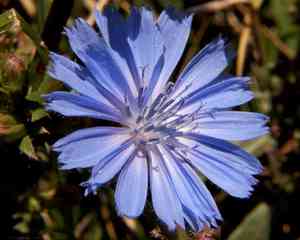
For optimal establishment of hawk's beard, relocate it from the vibrant period of spring into the mildness of early summer. Select a location bathed in sunlight with soil that drains effectively. Upon transferring hawk's beard, carefully facilitate the expansion of its root system to foster vigorous development.
What Preparations are Needed Before Transplanting Hawk's Beard?
What is the Ideal Time for Transplanting Hawk's Beard?
The perfect period for relocating hawk's beard to your garden spans from the onset of spring to the brink of summer. During this time, the gentle weather and increasing daylight provide optimal conditions for hawk's beard to firmly establish itself. Moving hawk's beard in this season allows it to benefit from moderate temperatures and mild sun, minimizing transplant shock and boosting root development. Friendly advice: Carefully settling hawk's beard into fresh soil now sets the stage for vigorous growth and abundant blooms, enriching your garden with resilience throughout the year.
How Much Space Should You Leave Between Hawk's Beard Plants?
When preparing to rehome your hawk's beard, remember to provide ample room for growth. Aim to space them approximately 12-18 inches (30-46 cm) apart. This ensures they have sufficient space to thrive and reduces competition for resources among neighboring plants.
What is the Best Soil Mix for Hawk's Beard Transplanting?
For your hawk's beard, you'll want to prepare a comfortable bed with well-draining soil that's rich in organic matter. You can give them an excellent start by incorporating a balanced, slow-release fertilizer before planting. This nourishment will support their growth right from the beginning!
Where Should You Relocate Your Hawk's Beard?
Your hawk's beard thrives in sunlight! Choose a location that receives full sun to partial shade. A spot that gets about 6-8 hours of direct sunlight daily would be ideal, helping your hawk's beard grow healthy and strong.
What Equipments Should You Prepare Before Transplantation Hawk's Beard?
Gardening Gloves
To safeguard your hands while handling soil and plants.
Garden Shovel
For excavating holes and trenches required for plant relocation.
Hand Trowel
To manage smaller or delicate plants or to operate easily in confined areas.
Watering Can or Hose
To hydrate the plant both prior to and following its relocation.
Pruning Shears
For trimming any damaged roots or foliage before the transplant process.
Plant Supports/Stakes
To offer stability to the plant if it is tall or top-heavy after being moved.
How Do You Remove Hawk's Beard from the Soil?
How Do You Remove Hawk's Beard from the Soil?
From Ground: First, moisten the soil around the hawk's beard plant by watering it. Next, use a garden shovel to dig a wide trench around the plant, being careful to keep the plant's root ball intact. Gently work the shovel beneath the root ball to carefully lift the plant from the ground.From Pot: Start by watering the hawk's beard plant to make the soil more pliable. Turn the pot on its side and gently tap the edges to loosen the plant. Invert the pot, supporting the plant with your hand, and carefully slide the plant out with its root ball undisturbed.From Seedling Tray: Water the seedlings to ensure the soil is damp. Use a hand trowel or a similar tool to carefully lift the hawk's beard seedling from the tray, making sure to retain as much soil around the roots as possible.
Step-by-Step Guide for Transplanting Hawk's Beard
Prepare New Location
Excavate a hole in the ground that is twice the width and equal in depth to the plant's root ball.
Remove Plant
Depending on its origin, carefully extract the hawk's beard plant from the ground, pot, or seedling tray, ensuring the root system remains intact.
Inspect Roots
Examine the plant's roots and use pruning shears to remove any damaged or dead sections.
Position Plant
Place the hawk's beard plant in the center of the new hole, making sure it is at the same depth as its previous growing position.
Backfill Hole
Gently refill the hole with soil, lightly patting it down to eliminate air pockets without overly compacting the soil around the roots.
Water Generously
Thoroughly water the hawk's beard plant to settle the soil and provide moisture for the roots.
Add Support
If the hawk's beard plant is tall or tends to lean, add plant supports or stakes to help it remain upright.
How Do You Care For Hawk's Beard After Transplanting?
First Watering
Ensure the soil surrounding the hawk's beard is thoroughly watered immediately after transplanting to help it settle.
Regular Monitoring
Periodically check the plant for indications of stress or wilting, which may signal a need for more water or adjustments in care.
Staking
Maintain the support or stakes until the hawk's beard has adequately established itself and stands firmly.
Initial Pruning
Avoid extensive pruning directly after transplanting; allow the hawk's beard to recover and adapt to its new environment first.
Mulching
Apply a layer of mulch around the base of the hawk's beard to aid in retaining soil moisture and deterring weed growth.
Troubleshooting Common Issues with Hawk's Beard Transplantation.
How do I know when is the best time to transplant hawk's beard?
The optimal period is from early spring to early summer, when the weather is mild and plants are actively growing.
What's the ideal spacing for planting hawk's beard after transplant?
Ensure a gap of 12-18 inches (30-45 cm) between plants to allow enough room for growth and airflow.
Why are my hawk's beard wilting after transplanting?
Wilting could be due to transplant shock. Keep the soil moist and provide shade for a few days to help recovery.
How much should I water hawk's beard post-transplant?
Water thoroughly after transplanting, and maintain consistent moisture without overwatering during the first growing season.
Should I fertilize hawk's beard right after transplanting?
Wait 4-6 weeks before fertilizing to allow hawk's beard to focus on root development rather than foliage growth.
How deep should I plant hawk's beard in the new location?
Plant hawk's beard at the same depth it was in the original pot or location to prevent stem rot or stress.
My hawk's beard aren't blooming after transplant. What can I do?
Patience is key. It's normal for transplants to skip blooming as they establish. Proper care will promote blossoms in the next season.
Can I transplant hawk's beard during the hottest part of summer?
It's not advisable. Extreme heat can stress plants. If you must, provide extra water and shade to help them settle in.
Why is proper drainage important for transplanted hawk's beard?
Good drainage prevents water-logging, which can cause root rot and other diseases, compromising the health of hawk's beard.
What should I do if my hawk's beard shows signs of disease post-transplant?
Identify the issue, isolate affected plants to prevent spread, and treat with appropriate fungicides or pest control methods.



