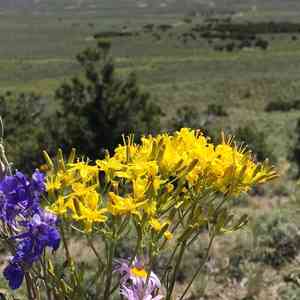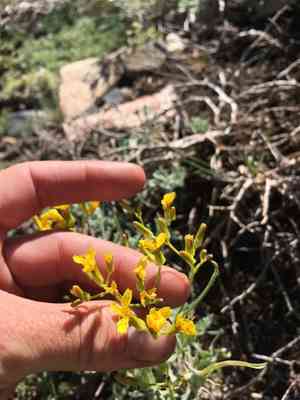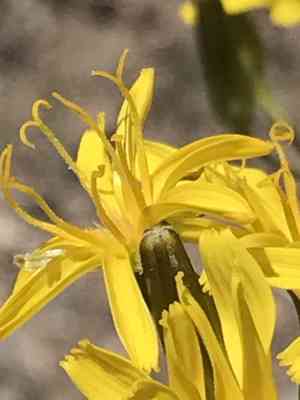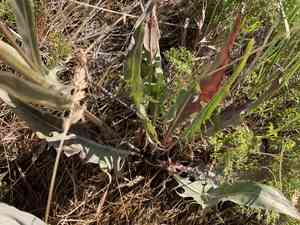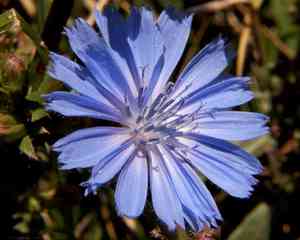
Hawk's beard(Crepis acuminata)

Hawk's beard (Crepis acuminata)

Also known as: Tapertip hawksbeard

Hawk's beard (Crepis acuminata) is a perennial plant from the Asteraceae family, featuring bright yellow flowers similar to those of dandelions. Its leaves are long and gray-green, often forming a basal rosette. This plant is notably adaptable, flourishing in a variety of habitats provided they offer open spaces and ample sunlight.

**Habitat Requirements**:
1. **Soil**: Prefers sandy or gravelly soils with good drainage.
2. **Light**: Requires full sun to partial shade.
3. **Elevation**: Commonly found at elevations between 1,500 and 3,000 meters.
4. **Environment**: Thrives in open meadows, grasslands, and rocky slopes, often in semi-arid regions.

The name "Crepis" comes from Greek, meaning "sandal," though the reasoning for this name remains unclear. Hawk's beard's ability to grow in diverse environments helps it maintain a strong presence in its native habitats.

Attributes of Hawk's beard

Lifespan
Perennial
Plant Type
Herb
Plant Height
20 cm to 71 cm
Spread
Not applicable
Leaf Color
Green
Flower Size
2.5 cm to 5 cm
Flower Color
Yellow

ForwardPlant - Identify plants with a snap

Identify and diagnose plants, get toxicity alerts, and explore safety guides for all types of fungi.

Try for Free

Images of Hawk's beard

Hawk's beard(Crepis acuminata)

Quickly Identify Hawk's beard

1
Crepis acuminata can be identified by its yellow flower heads, which are composed of numerous ray florets. The leaves are variable but often deeply lobed and can grow up to 30 cm long. It typically grows in dry, open habitats such as grasslands and ponderosa pine forests.

Scientific Classification of Hawk's beard

Phylum
Vascular plants
Class
Dicotyledons
Order
Asterales
Family
Daisy
Genus
Hawksbeard
Species
Hawk's beard

Planting and Growing of Hawk's beard

Care Difficulty
Easy
Watering Schedule
Every 2 days
Sunlight Requirements
Full sun
Sunshine Duration
6-12 hours
Ideal Temperature
55-75℉
Soil Type
Potting Mix, Peat Mix
Soil pH
6.5-7.5
Fertilizer Type
Balanced
Pruning Season
Spring, Summer
Pruning Area
Branches, Leaves
Pruning Frequency
2 times a year
Repotting Season
Spring
Pot Type
Plastic, Ceramic

water icon How to Water Hawk's beard?

The watering quantity for Crepis acuminata should be just enough to keep the soil consistently moist without causing waterlogging. Ensure that the top 2 inches of soil are dry before rewatering. Use a finger test or a moisture meter to gauge soil dampness effectively.
What are the symptoms of an underwatered Hawk's beard?
What should I do if my Hawk's beard is not getting enough water?
What are the symptoms of an overwatered Hawk's beard?
How to save an overwatered Hawk's beard?

sunlight icon What Are the Sunlight Requirements for Hawk's beard?

Sunlight Requirements: Full sun, Partial sun
Duration of light: 6 to 8 hours
Crepis acuminata benefits from partial to full sun, receiving about 6 to 8 hours of sunlight daily. This exposure encourages better growth and prolific flowering.
What is the best kind of sunlight for Crepis acuminata?
How can one mimic ideal sunlight conditions?
What benefits does Crepis acuminata receive from ideal lighting?
More About Sunlight Requirements Techniques

temperature icon What Is the Ideal Temperature Range for Hawk's beard?

Ideal Temperature: 55 ~ 75℉
The ideal temperature range for Crepis acuminata cultivation is between 55-75°F. This range provides optimal conditions for photosynthesis and growth. At these temperatures, the plant can efficiently produce energy while maintaining its metabolic processes. Ensuring your growth environment stays within this range will help maintain healthy development and robust foliage.

soil icon What Soil is Best for Hawk's beard?

Soil type: Sandy soil, Loam, Sandy loam
Soil PH: 6.5 ~ 7.5
Crepis acuminata thrives in well-drained soil, ensuring that the roots receive adequate oxygen and do not become waterlogged. This condition is crucial in preventing root rot and promoting healthy plant growth. A nutrient-rich soil can boost the plant's growth and flowering. Incorporating organic matter like compost enhances soil fertility, providing essential nutrients for the plant's vigorous development and vibrant blooms. While Crepis acuminata can tolerate some drought, maintaining moderate moisture levels helps in sustaining its health and ensuring consistent growth. Regular watering without over-saturation is essential.

fertilize icon How to Fertilize Hawk's beard?

Fertilizer type: Balanced
For Crepis acuminata, it's important to provide a balanced fertilizer solution at half strength to avoid over-fertilization. This ensures the plant gets adequate nutrients without risking root burn. In general, use 10-20 ml of liquid fertilizer mixed with 1 liter of water per application.

prune icon How to Prune Hawk's beard?

Pruning Time: Spring, Autumn
Begin by using sharp, clean pruning shears. Target the dead or damaged stems first, cutting them back to healthy tissue. Aim for clean cuts at a 45-degree angle to prevent water from pooling, which could encourage rot. Focus on shaping the plant by trimming longer, unruly shoots to maintain a compact, bushy appearance. By doing so, you encourage new shoots to develop at the base, enriching the plant's overall look and vigor. More About Pruning Techniques

propagate icon How to Propagate Hawk's beard plant?

Propagate Time: Late spring, Early summer
1
Harvest seeds from mature Crepis acuminata plants in late summer. Ensure that the seeds are completely dry by storing them in a cool, dry place for several weeks before sowing.
2
Use well-draining soil for seed propagation. If planting directly outdoors, till the soil to a fine consistency, removing weeds and debris to ensure proper seedling establishment.
3
In late spring or early summer, dig up mature plants using a garden fork. Carefully separate clumps into smaller sections, ensuring each has roots attached, and replant immediately.

repot icon How to Repot Hawk's beard plant?

Repotting frequency: Every 2-3 years
1
The best signals for repotting Crepis acuminata are when you notice root bound symptoms like roots growing out of drainage holes or stunted growth. These indicate that the plant needs more space. Checking the plant's health and growth in the spring or summer is ideal, as these seasons provide optimal conditions for recovery after repotting.
2
Select a pot that is only a few inches larger in diameter than the current one. This limits water retention issues and encourages healthy growth. The pot should have drainage holes to prevent waterlogging, which can lead to root rot. This selection ensures that water drains properly, keeping roots healthy and promoting aeration.
3
Choose a well-draining sandy soil mix for your Crepis acuminata. This type of soil allows excess moisture to escape, preventing root rot, and providing the right environment for the plant's growth. The sandy texture ensures adequate aeration, essential for root development and nutrient uptake, ensuring vibrant plant health.

ForwardPlant - Identify plants with a snap

Find the best spots for them to optimize their health, simply using your phone.

Try for Free