How to Prune Hawk's beard?
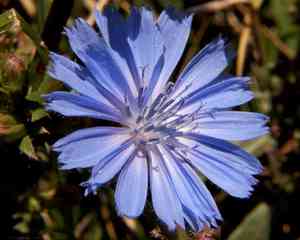
A perennial herbaceous plant recognized for its clustered development and dandelion-esque blossoms, hawk's beard flourishes with infrequent trimming to eliminate withered flowers and stimulate denser growth. The most suitable periods for pruning are spring and summer, either to prepare for flowering or to encourage fresh foliage. Removing spent blossoms can extend the flowering duration and deter self-propagation. Should it be required, minor shaping is advantageous, but refrain from severe cutting to uphold the plant's inherent structure.
What Are the Benefits of Pruning Hawk's Beard?
What Are the Benefits of Pruning Hawk's Beard?
Trimming hawk's beard encourages robust development and preserves its desired form. This action fosters a strong framework, enhancing light access and air movement, which are crucial for hawk's beard's well-being and visual appeal.
What Is the Best Time for Pruning Hawk's Beard?
What Is the Best Time for Pruning Hawk's Beard?
Trimming hawk's beard from late spring to early summer aligns with its active growth period after blooming, allowing the plant to focus energy on new foliage and maintaining vitality. Pruning during this timeframe also reduces the risk of frost damage to new growth and ensures the plant has ample time to recover before colder seasons.
What Tools Do I Need to Prune Hawk's Beard?
Bypass Hand Pruners
These are perfect for making clean cuts on hawk's beard's smaller stems and are less likely to harm plant tissues compared to anvil pruners.
Garden Scissors
These can be utilized for thinning or shaping hawk's beard's foliage, especially when dealing with delicate areas or removing spent blooms.
Pruning Snips
Fine-tipped snips are ideal for precise tasks on hawk's beard, such as removing faded flowers or making small, accurate cuts for shaping without damaging nearby stems.
Gloves
Though not a cutting implement, gloves are essential for protecting hands from scratches when trimming hawk's beard's potentially prickly foliage.
How to Prune Hawk's Beard
Clean tools
Before trimming hawk's beard, sanitize pruning tools using either rubbing alcohol or a bleach solution to prevent disease transmission.
Remove diseased leaves
Carefully inspect hawk's beard for diseased leaves. Use your sterilized pruning shears to snip off any leaves showing signs of illness, cutting at the base of the leaf stem.
Remove withered leaves
Identify any dried or dead leaves on hawk's beard. Gently remove these leaves by hand if loose or use shears to cut them at the base to maintain plant health and appearance.
Trim diseased stems
Examine hawk's beard for diseased stems, which should be cut back to healthy tissue. Cut the stem at least 1-2 inches below the affected section to ensure all diseased parts are removed.
Dispose waste
Discard all removed diseased or withered plant material far from hawk's beard to lessen the chance of reinfection or attracting pests. Avoid composting infected debris.
Common Pruning Mistakes with Hawk's Beard
Overpruning
Cutting back too much of hawk's beard's foliage can weaken the plant, leading to less vigorous growth and sparse blooming. It's crucial not to remove more than a third of the total mass in a single trimming session.
Improper cut location
Making cuts too far from a bud or node, or leaving too long a stub, can result in dead tissue that invites pests and diseases. Cuts should be made at a 45-degree angle, about 1/4 inch above buds or branches.
Uneven pruning
Failing to trim hawk's beard evenly can lead to an asymmetrical shape that may affect the plant's overall health and aesthetic appeal. Ensure that cuts are distributed uniformly throughout the plant.
Using dull tools
Trimming with dull or dirty tools can cause jagged cuts that are more prone to infection. It is vital to use sharp, clean pruning shears for clean cuts that heal quickly.
Neglecting deadheading
Not removing spent flowers (deadheading) can lead to hawk's beard using its energy to produce seeds rather than new blooms. Regular deadheading encourages continued flowering throughout the growing season.
Common Pruning Tips for Hawk's Beard
Selective pruning
Focus on removing damaged or diseased stems first to maintain the health of hawk's beard. Trimming should also aim to thin out crowded areas to increase air circulation and light penetration.
Encouraging bushiness
To promote bushier growth, pinch back the tips of young shoots of hawk's beard early in the season. This will stimulate the plant to branch out and become fuller.
Promotion of flowering
Deadheading or removing faded flowers of hawk's beard will channel the plant's energy into producing new blooms instead of seed development, leading to a more extended flowering period.
Maintenance pruning
Periodically check hawk's beard for overgrowth and lightly trim as needed to maintain its desired shape and size. This ongoing maintenance supports a healthier structure.
Post blooming pruning
Once hawk's beard has finished its main flowering phase, light trimming can be done to tidy up the plant and prepare it for the next growing season. This involves cutting back the spent blossoms and any leggy growth.



