How to Transplant Western mayhaw?
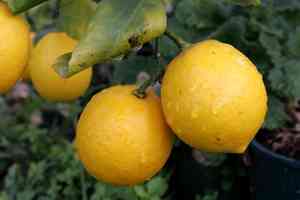
For western mayhaw, the most suitable time for relocation spans from the end of spring to the beginning of summer, owing to more temperate climatic conditions. Select a bright, adequately drained spot to encourage peak development. Verify that the new environment replicates the plant's native setting for maximum prosperity.
What Preparations are Needed Before Transplanting Western Mayhaw?
What is the Ideal Time for Transplanting Western Mayhaw?
The optimal period for relocating western mayhaw is from late spring to early summer, perfectly aligning with its natural growth cycle. Moving it during this transitional phase ensures the plant has reached a robust stage before the intense summer heat. This timing allows western mayhaw sufficient time to establish its root system, boosting its resilience and encouraging vigorous development. By selecting this window, gardeners can significantly improve the survival rate and overall health of western mayhaw.
How Much Space Should You Leave Between Western Mayhaw Plants?
For western mayhaw, it is advisable to position each plant 20-30 feet (6-9 meters) apart. This spacing guarantees ample room for each plant to achieve its full, healthy growth potential.
What is the Best Soil Mix for Western Mayhaw Transplanting?
For western mayhaw, select well-draining soil rich in organic matter. Incorporate a balanced base fertilizer, such as a 10-10-10 blend, into the soil prior to planting to give your plants a strong start.
Where Should You Relocate Your Western Mayhaw?
Western mayhaw thrives in full sun, so choose a spot that receives at least 6 hours of direct sunlight daily to ensure your plant remains vibrant and healthy.
What Equipments Should You Prepare Before Transplantation Western Mayhaw?
Gardening Gloves
To safeguard your hands while handling soil and plants.
Shovel or Spade
For excavating and lifting the plant from its original spot.
Garden Trowel
For more precise digging and working around the root system.
Pruning Shears
To trim any damaged or excessively long roots during the transplanting process.
Watering Can or Hose
To hydrate the plant before and after its relocation.
Root Hormone (optional)
To stimulate robust root development in the new environment.
Wheelbarrow (optional)
To easily move the plant if it is large or heavy.
Mulch
To help maintain soil moisture after the transplant.
How Do You Remove Western Mayhaw from the Soil?
How Do You Remove Western Mayhaw from the Soil?
From Ground: First, water the western mayhaw plant to moisten the soil. Then, dig a wide trench around the plant using a shovel or spade, ensuring the plant's root ball remains intact. Carefully work the spade under the root ball to lift the plant from its original location.From Pot: Thoroughly water the western mayhaw plant. Next, gently lay the pot on its side and tap or squeeze the sides to loosen the soil. Slide the plant out, supporting the root ball with your hand to prevent it from breaking apart.From Seedling Tray: Water the seedlings well before transplanting. Use a garden trowel or small spoon to carefully scoop out the individual seedlings, ensuring that you capture as much of the root structure as possible.
Step-by-Step Guide for Transplanting Western Mayhaw
Site Preparation
Prepare the new planting location by digging a hole that is twice as wide and equally as deep as the root ball of the western mayhaw plant.
Soil Preparation
Loosen the soil at the base of the hole and incorporate some organic compost to enhance soil fertility and drainage.
Plant Placement
Position the western mayhaw plant in the center of the hole, ensuring the top of the root ball is level with or slightly above the surrounding soil.
Backfilling
Fill the hole halfway with soil, gently pressing it down to remove air pockets. Water the plant thoroughly, then continue to backfill the hole with soil and water again.
Mulching
Apply mulch around the base of the plant to help retain moisture and inhibit weed growth.
How Do You Care For Western Mayhaw After Transplanting?
Watering
Keep the soil around the western mayhaw consistently moist, but not waterlogged, for the initial weeks post-transplant to aid in strong root establishment.
Monitoring
Regularly inspect the plant for indications of stress, such as wilting or yellowing leaves, and adjust care as necessary.
Pruning
Remove any damaged or dead leaves and branches to encourage healthy development.
Fertilizing
Wait at least one month before applying a balanced fertilizer to allow the plant time to acclimate to its new environment.
Troubleshooting Common Issues with Western Mayhaw Transplantation.
When is the best time to transplant western mayhaw?
Late spring to early summer is ideal for relocating western mayhaw, ensuring optimal growth conditions.
How far apart should I space western mayhaw plants?
Space western mayhaw plants 20-30 feet (6-9 meters) apart to provide adequate room for growth.
What soil type is best for transplanting western mayhaw?
Western mayhaw thrives in well-draining, slightly acidic to neutral soil with a pH of 5.5-7.0.
How do I prepare the soil for western mayhaw?
Loosen the soil to a depth of 12 inches (30 cm) and mix in organic compost.
What should I do if western mayhaw shows signs of transplant shock?
Ensure proper watering, shield from extreme temperatures, and apply a balanced fertilizer to aid recovery.
How much water does a transplanted western mayhaw need?
Water deeply once a week, ensuring the soil remains moist but not waterlogged around western mayhaw.
Should I prune western mayhaw before transplanting?
Yes, prune any damaged or diseased branches to reduce stress and promote healthy new growth.
How do I ensure western mayhaw roots establish well after transplanting?
Water regularly, mulch around the base to retain moisture, and avoid disturbing the roots initially.
Can I use root stimulators when transplanting western mayhaw?
Yes, using a root stimulator can enhance root development and overall plant establishment.
What role does mulching play in transplanting western mayhaw?
Mulching helps retain soil moisture, suppress weeds, and moderate soil temperature for western mayhaw during establishment.



