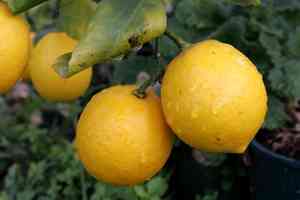
Western mayhaw (Crataegus opaca)
Also known as: Western Mayhaw, Riverflat Hawthorn
Crataegus opaca, also known as the western mayhaw, can be described as a small tree or a large shrub, typically reaching heights of 3.5 to 11 meters (12 to 36 feet). It features a slender, upright trunk and a rounded crown, with branches that are often spiny. The leaves are oval and dark green. In spring, it produces clusters of white or pink flowers. The fruits are relatively large, turning cranberry-red when they ripen in late spring to early summer.
In This Article
Attributes of Western mayhaw
Lifespan
Perennial
Plant Type
Tree, Shrub
Plant Height
3.5 m to 11 m
Spread
15-20 feet
Leaf Color
Glossy green
Flower Size
0.5-1 inch
Flower Color
White
Images of Western mayhaw
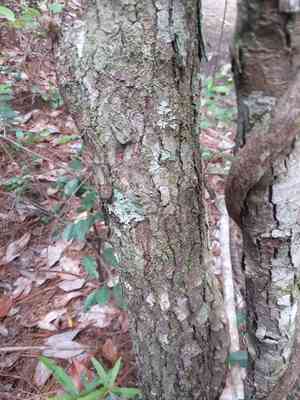
Quickly Identify Western mayhaw
1
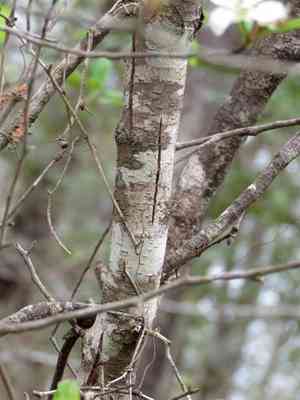
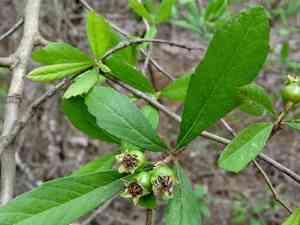
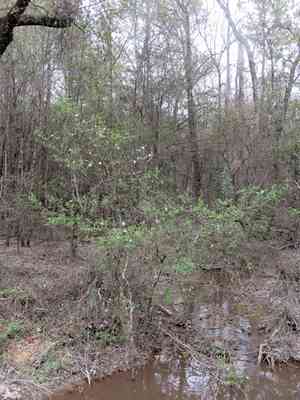
Crataegus opaca can be identified by its glossy green leaves with serrated edges, thorny branches, clusters of white flowers in the spring, and small, round red to yellow fruits in the fall. The tree often grows near water sources like rivers and swamps.
Scientific Classification of Western mayhaw
Phylum
Vascular plants
Class
Dicotyledons
Order
Rosales
Family
Rose
Genus
Hawthorns
Species
Western mayhaw
Planting and Growing of Western mayhaw
Care Difficulty
Easy
Watering Schedule
Every 4 days
Sunlight Requirements
Full sun
Sunshine Duration
4-8 hours
Ideal Temperature
60-75℉
Soil Type
Potting Mix, Peat Mix
Soil pH
6.5-7.5
Fertilizer Type
Balanced
Pruning Season
Spring, Summer
Pruning Area
Branches, Leaves
Pruning Frequency
2 times a year
Repotting Season
Spring
Pot Type
Plastic, Ceramic
 How to Water Western mayhaw?
Crataegus opaca requires a generous watering whenever the top inch of soil feels dry. Water until the soil is thoroughly moist but not waterlogged, approximately 500 milliliters per session.
What are the symptoms of an underwatered Western mayhaw?
›
What should I do if my Western mayhaw is not getting enough water?
›
What are the symptoms of an overwatered Western mayhaw?
›
How to save an overwatered Western mayhaw?
›
 What Are the Sunlight Requirements for Western mayhaw?
Crataegus opaca ideally grows in full sun to partial sun. This optimal light range fosters energy synthesis, promoting healthy flowering, leaf vitality, and overall vigor.
What is the best lighting condition for Crataegus opaca?
›
How can we achieve optimal lighting for Crataegus opaca?
›
What benefits does Crataegus opaca gain from ideal lighting?
›
 What Is the Ideal Temperature Range for Western mayhaw?
The ideal temperature range for Crataegus opaca lies between 60°F and 75°F. Maintaining these temperatures ensures optimal physiological processes such as photosynthesis, respiration, and nutrient uptake. This range helps the plant to develop robust root systems and healthy foliage, leading to vibrant blooms. Consistent temperature in this range minimizes plant stress and maximizes growth potential.
 What Soil is Best for Western mayhaw?
Crataegus opaca thrives in soil that retains moisture without becoming waterlogged. This requirement ensures the plant receives a consistent supply of water, promoting healthy growth and reducing stress. A well-draining soil prevents root rot and ensures excess water doesn't accumulate around the roots. This condition is crucial for Crataegus opaca to avoid fungal diseases and maintain root health. Soil rich in organic matter provides essential nutrients that foster the vigorous growth of Crataegus opaca. Such soil supports better flowering and fruiting, leading to a healthier plant overall.
 How to Fertilize Western mayhaw?
For Crataegus opaca, it is essential to provide a balanced fertilizer. Use one tablespoon per gallon of water when using liquid fertilizer, ensuring it reaches the roots uniformly. For granular forms, use approximately 2 ounces per plant, distributing it evenly around the base without directly touching the stems.
 How to Prune Western mayhaw?
Begin by assessing the tree's overall shape and health. Identify branches that are dead, diseased, or crossing. Prioritize these for removal to encourage better growth and airflow. Start pruning from the base of the tree, working upwards. Make clean cuts at a 45-degree angle just above the node or branch collar. This technique promotes healing and directs new growth away from the cut. Once the main pruning is completed, step back and view the overall shape. Make minor adjustments to ensure a balanced appearance. Consider thinning dense areas to allow sunlight penetration.
More About Pruning Techniques→
 How to Propagate Western mayhaw plant?
1
Gather seeds from mature Crataegus opaca fruits in late autumn. Clean the seeds to remove pulp and store them in a cool, dry place until spring for optimal germination results.
2
Take cuttings from healthy and disease-free branches during early spring. Ensure each cutting has at least three nodes; dip the cut end into rooting hormone to stimulate root growth.
3
For grafting, select a compatible rootstock and scion in late spring. Use a clean, angled cut for both parts and secure them together firmly to ensure good contact for a successful graft.
 How to Repot Western mayhaw plant?
1
You should consider repotting your Crataegus opaca when you notice roots coming out of the drainage holes at the bottom. This indicates that the plant has outgrown its current container. Additionally, if you observe a decrease in flowering or overall growth, these can be signals the plant is ready for a new home. Early spring or autumn are perfect times due to their mild conditions.
2
Choose a pot that is roughly 2 inches larger in diameter than the current one. It should have ample drainage holes to prevent waterlogging, which is essential for the health of Crataegus opaca. A pot made from breathable materials like clay can help regulate moisture levels, ensuring the roots receive adequate aeration.
3
Opt for a loamy or sandy mix that allows excellent drainage. Crataegus opaca thrives in slightly acidic to neutral soil with good organic content. This type of soil helps maintain the delicate balance between retaining moisture and preventing root rot, thereby promoting healthier growth.



