How to Prune Western mayhaw?
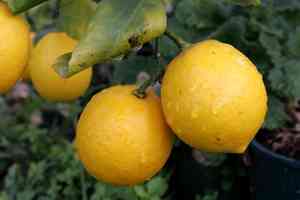
The western mayhaw, a local species known for its vivid fruit and fragile flowers, flourishes with thoughtful trimming. The best time to prune is typically in late winter or early spring, prior to the emergence of new shoots. Concentrate on eliminating branches that are dead, ailing, or too dense, which improves air movement and light exposure. This practice not only encourages robust development but also boosts fruit yield and preserves the plant's form. Consistent pruning also aids in controlling its dimensions and eradicating suckers that can deplete the plant's nutrients.
Advantages of Trimming Western Mayhaw
Advantages of Trimming Western Mayhaw
Trimming western mayhaw encourages robust development and helps maintain its desired form. Strategic cutting promotes a healthier framework, vital for the plant's lifespan and visual appeal.
Optimal Time for Trimming Western Mayhaw
Optimal Time for Trimming Western Mayhaw
Trimming western mayhaw in late winter or early spring is best, as this timing allows cuts to heal before spring's growth surge, minimizing plant stress. This period precedes western mayhaw's new growth and flowering cycle, reducing the risk of removing developing buds crucial for fruit production. Additionally, the dormant season offers better visibility of the plant's structure, enabling more effective shaping and removal of diseased or damaged wood.
Tools Required for Trimming Western Mayhaw
Hand Pruners
Perfect for making precise cuts on smaller western mayhaw branches, typically under 0.5 inches in diameter. Clean cuts facilitate quick healing and lessen disease risk.
Loppers
Suitable for cutting medium-sized branches (between 0.5 and 1.5 inches in diameter) too large for hand pruners. Their long handles provide the necessary leverage to prune thicker branches without harming surrounding growth.
Pruning Saw
Essential for removing larger limbs exceeding 1.5 inches in diameter. A pruning saw aids in managing the tree's structure and eliminating dead or diseased wood, ensuring western mayhaw's health and aesthetics.
Pole Pruner
Useful for reaching higher branches without a ladder, making western mayhaw pruning safer and easier. This tool is particularly beneficial for preserving natural shape and ensuring light reaches lower branches.
Shears (Optional)
Can be used for shaping western mayhaw, especially effective for maintaining a dense, bushy growth habit by thinning out overgrown branches.
How to Trim Western Mayhaw
Identify
Thoroughly inspect western mayhaw to locate all dead and diseased branches. These are typically discolored, dry, or show signs of infection and must be removed to preserve western mayhaw's health.
Sanitize
Before cutting, disinfect your pruning shears with isopropyl alcohol or a 10% bleach solution to prevent disease spread. Allow tools to air dry for effective sanitization.
Cut
Using sanitized tools, carefully remove dead or diseased branches. Make cuts at a 45-degree angle, about 1/4 inch above an outward-facing bud. This angle prevents water accumulation on the cut surface, which can lead to rot and disease.
Dispose
Properly discard removed branches. Do not leave them near western mayhaw as they can harbor pests or diseases that might re-infect the plant. Ideally, burn or thoroughly compost the discarded material.
Clean up
Clean and dry your pruning equipment after finishing. This helps maintain tools in good condition and prevents potential disease transmission in future pruning sessions.
Common Trimming Errors with Western Mayhaw
Overpruning
A frequent mistake is removing too much of western mayhaw's foliage or branches at once, which can stress the plant, leading to reduced fruiting and increased disease susceptibility.
Incorrect cutting technique
Using improper cutting methods, such as tearing branches or making jagged cuts, can damage western mayhaw's tissues, hindering healing and exposing the plant to infections.
Neglecting tool hygiene
Failing to clean and sterilize pruning tools before use can spread diseases from one plant to another, significantly impacting western mayhaw's health.
Ignoring plant structure
Not considering western mayhaw's natural form and growth pattern can result in a poorly shaped tree, thereby affecting its overall health and productivity.
General Trimming Advice for Western Mayhaw
Clean cut
Always make clean, sharp cuts just above an outward-facing bud. This technique promotes outward growth and helps maintain western mayhaw's natural shape.
Thin out
Thin out dense branches to improve air circulation and light penetration, crucial for western mayhaw's health and fruiting. Focus especially on removing any crossing or rubbing branches.
Maintain tools
Keep all pruning tools sharp and sterilize them before use to prevent disease spread. This simple practice protects western mayhaw and other garden plants.
Focus on health
Regularly remove any dead, diseased, or damaged branches to promote western mayhaw's vigor and longevity. This not only improves appearance but also the plant's overall health.



