How to Transplant Watch chain?
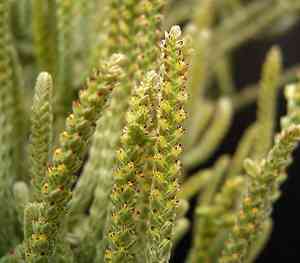
The ideal period for relocating watch chain is from the middle of spring until its conclusion, as this offers more moderate temperatures conducive to robust root development. Ensure you select a site featuring soil that drains effectively and receives partial sunlight. Should it be necessary, offer some post-transplant attention by watering sparingly to prevent the decay of roots. Enjoy your transplanting process!
What Preparations are Needed Before Transplanting Watch Chain?
What is the Ideal Time for Transplanting Watch Chain?
The optimal period to move watch chain is from mid- to late-spring. This timeframe offers the best weather, allowing the plant to easily adjust to its new spot and grow better. When you transplant watch chain during this vibrant, blooming part of the year, you're giving it a great start, setting the stage for a healthier, stronger plant life. So, take advantage of the lively spring season to ensure a successful watch chain transplantation!
How Much Space Should You Leave Between Watch Chain Plants?
When relocating watch chain, ensure they have adequate room to expand! Position them roughly 6-8 inches (15-20 cm) apart. This spacing will aid in developing stronger root systems and promote vigorous growth.
What is the Best Soil Mix for Watch Chain Transplanting?
For watch chain, a well-draining soil is crucial to prevent root decay. Combine equal portions of potting soil, sand, and perlite. Incorporate a slow-release fertilizer or organic compost as a base, adhering to package directions for correct ratios.
Where Should You Relocate Your Watch Chain?
Select a sunny location for your watch chain. These plants thrive in sunlight, making a south-facing window perfect for indoor placement. If moving outdoors, seek an area receiving at least 6 hours of direct sunlight daily.
What Equipments Should You Prepare Before Transplantation Watch Chain?
Gardening Gloves
To safeguard your hands while handling soil and the plant.
Hand Trowel
To excavate a hole and loosen the earth for relocation.
Shovel or Spade
To extract the watch chain plant from its initial spot and create an appropriate transplant cavity.
Garden Fork
To assist in breaking up compacted soil and mixing in any amendments.
Watering Can or Hose
To hydrate the watch chain plant prior to and following transplantation.
Organic Compost or Well-Rotted Manure
To enrich the soil and encourage robust root development for watch chain.
How Do You Remove Watch Chain from the Soil?
How Do You Remove Watch Chain from the Soil?
From Ground: First, moisten the watch chain plant's soil. Then, dig a wide trench around the plant using a spade or shovel, ensuring the plant's root ball stays intact. Carefully work the spade beneath the root ball to lift the plant from its original spot.From Pot: Water the watch chain plant to dampen the soil, making removal easier. Invert the pot and gently tap the bottom to release the watch chain plant, supporting the root ball with your hand.From Seedling Tray: Water the watch chain seedlings to moisten the soil. Use a hand trowel or a fork to carefully lift the seedlings while supporting their root system.
Step-by-Step Guide for Transplanting Watch Chain
Site Selection
Choose a spot with adequate sunlight and room for your watch chain plant to reach its full size.
Prep the Soil
Use a garden fork to break up any dense soil and incorporate organic compost or aged manure to enrich the planting area.
Dig the Hole
Use a hand trowel to excavate a hole slightly larger than the watch chain's root ball. The hole should be deep enough to keep the soil level around the root ball consistent with its previous location.
Prepare the Plant
Gently untangle any roots that are circling within the watch chain's root ball to encourage them to spread outwards into the surrounding soil.
Place the Plant
Position the watch chain plant in the hole, ensuring the top of the root ball is even with the surrounding soil. Carefully backfill the hole with soil, pressing it down around the root ball to eliminate any air pockets.
Water Well
Thoroughly water the watch chain plant after transplanting to help settle the soil and reduce transplant shock.
How Do You Care For Watch Chain After Transplanting?
Watering
Keep the soil around the watch chain consistently damp, but not waterlogged, for the initial weeks post-transplant to aid in establishing strong roots.
Mulching
Apply a layer of organic mulch, such as bark or wood chips, around the base of the watch chain plant to help retain moisture and suppress weeds.
Pruning
Trim off any dead, damaged, or overly dense branches on your watch chain plant after transplanting to encourage healthy growth and improved air circulation.
Monitoring
Watch for any indications of pests or diseases affecting the watch chain plant, and address the issue promptly to maintain overall health and vigor.
Fertilizing
Wait one month before applying any fertilizer to your watch chain plant to prevent root burn. Afterward, use an appropriate slow-release fertilizer, as per package instructions, to support continuous growth.
Troubleshooting Common Issues with Watch Chain Transplantation.
When is the best time to transplant watch chain?
Ideally, you should transplant watch chain from mid-spring to late spring for optimum results.
Why are the leaves on my transplanted watch chain turning yellow?
Watch chain's leaves may turn yellow due to waterlogging. Ensure the plant isn't overwatered and the soil drains well.
What should be the ideal spacing while transplanting watch chain?
Maintain a space of about 6-8 inches (15-20 cm) between each watch chain plant to ensure ample growth opportunity.
How can I deal with root rot when transplanting watch chain?
If watch chain shows signs of root rot, cut away the infected parts, let the roots dry out, then repot in fresh soil.
Why does my transplanted watch chain look wilted?
Wilted watch chain may be under-watered or in shock after transplanting. Give it time to adjust and follow the right watering schedule.
What is the ideal soil for transplanting watch chain?
Watch chain prefers well-draining soil. A mix of equal parts potting soil, coarse sand, and peat moss would be ideal.
What light conditions should I provide after transplanting watch chain?
Watch chain thrives in bright but indirect light. Avoid direct hot sunlight as it can cause leaf scorching.
Why is my transplanted watch chain not growing?
If your watch chain isn't growing, it may not be getting enough light, water or nutrients. Assess these factors and adjust as necessary.
How should I water watch chain after transplanting it?
Water watch chain only when the top layer of soil feels dry to touch. Overwatering can cause root rot, hindering growth.
Should I fertilize watch chain after transplanting?
Yes, but sparingly. A balance slow-release fertilizer applied in growing season (spring/summer) helps to promote healthy growth of watch chain.



