Optimal Soil for Growing Watch chain: What You Need to Know
1
Watch chain flourishes in soil with a pH level from 6 to 7.5.
2
Adequate drainage is essential to avoid root decay in Watch chain succulents.
3
Transplanting is advised every 2-3 years to revitalize the substrate and encourage robust development.
Understanding the Natural Habitat of Watch chain
Origins and Growth Environment
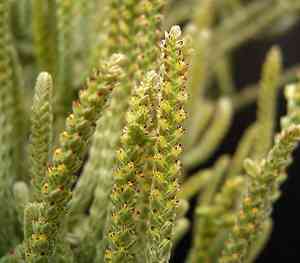
Watch chain (Crassula muscosa) is a charming succulent originating from South Africa and Namibia. These areas are characterized by dry conditions, where the plant has evolved to flourish in sandy, well-drained substrates and arid climates. Given its native environment, Watch chain is well-suited to settings that replicate these natural conditions, including limited rainfall and abundant sunlight. Comprehending its origins is crucial for providing the optimal environment for this plant to thrive.
Environmental Factors
In its native environment, Watch chain experiences intense sunlight and infrequent water availability. Wind and fluctuating temperatures also influence its development. These elements collectively make the plant resilient, but also emphasize the type of care it needs. For those cultivating Watch chain indoors or in less arid regions, replicating aspects of this environment, such as ensuring ample light and careful irrigation, is vital for success.
What Type of Soil is Ideal for Watch chain?
Soil Composition and Texture
The best substrate for Watch chain is one that mimics its natural arid habitat. A gritty, sandy blend is perfect, as it provides the necessary drainage to prevent waterlogging, which can be fatal to succulents. A good mix might include coarse sand, perlite, and a small amount of organic matter to support the plant's limited nutritional requirements.
Soil pH Requirements
Watch chain prefers a slightly acidic to neutral pH range, ideally between 6 and 7.5. Maintaining this pH level ensures the plant can absorb the nutrients it needs for healthy development. It's beneficial to use a soil pH meter to periodically check the acidity level of the substrate, especially if you notice any growth issues.
Drainage and Aeration Needs
Excellent drainage and aeration are essential for Watch chain. The succulent's roots are susceptible to rot if left in standing water, so a well-draining soil mix is necessary. Additionally, ensuring the substrate provides adequate aeration will help prevent compaction, allowing roots to breathe and grow more efficiently. Using pots with drainage holes further aids in preventing water accumulation at the root level.
How to Prepare the Best Soil Mix for Watch chain
Essential Ingredients for Potting Mix
Creating the optimal soil mix for Watch chain involves combining several key components. These include coarse sand or horticultural grit, perlite or pumice for enhanced drainage, and a small quantity of compost or coconut coir for nutrient supply. Avoid heavy garden soils or peat that can retain excessive moisture.
Step-by-Step Soil Preparation
Preparing the perfect soil mix for Watch chain is straightforward:Begin with a base of coarse sand or horticultural grit (approximately 50% of the blend).Add perlite or pumice to improve drainage (around 30%).Incorporate a small amount of compost or coconut coir for nutrients (roughly 20%).Mix thoroughly to ensure uniform distribution of all elements. Use this blend to pot your Watch chain for optimal growth conditions.
How Often Should Soil Be Replaced for Watch chain?
Signs the Soil Needs Changing
Indicators that the substrate for your Watch chain requires replacement include slowed growth, yellowing foliage, or poor drainage. If you observe water pooling on the soil surface or an unpleasant odor from the container, it's a clear sign the soil is compacted or contaminated and needs refreshing.
Best Practices for Re-Potting
Re-potting Watch chain every 2-3 years helps maintain healthy soil conditions. When re-potting:Gently remove the plant from its current container.Shake off old soil and inspect the roots for any signs of decay or disease.Trim any damaged roots with sterilized scissors or pruning shears.Place the plant in a new pot with fresh, well-draining soil mix.Water lightly to help settle the new substrate around the roots.
Common Soil Problems and Solutions for Watch chain
Overwatering Issues
Excessive watering is a frequent problem for Watch chain, leading to root rot and plant decline. To prevent this, use a well-draining soil mix and irrigate only when the substrate is completely dry. Ensure that surplus water can freely exit the pot through drainage holes.
Soil Compaction
Soil compaction restricts root development and reduces aeration. To counteract this, incorporate ingredients like perlite or pumice when preparing your soil mix. Additionally, avoid pressing the substrate down too firmly when potting your plant.
Nutrient Deficiency
While Watch chain doesn't demand highly nutrient-rich soil, a deficiency can still occur. Signs include yellowing leaves and stunted growth. To address this, occasionally integrate a balanced, succulent-specific fertilizer into your watering routine, but avoid over-fertilizing, which can harm the plant.
Pests and Diseases Related to Soil
Soil-borne pests and diseases can impact Watch chain. Common issues include fungal infections and root nematodes. To prevent these problems, use a sterile, high-quality potting mix and avoid reusing old substrate. If pests are detected, treat the soil and plant promptly with appropriate remedies.



