How to Transplant Common brassbuttons?
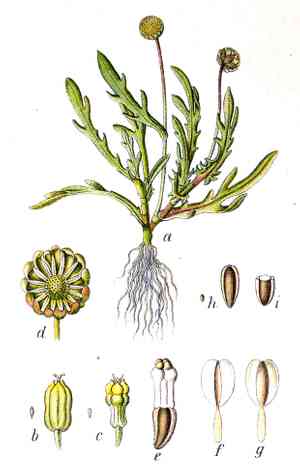
Select early to mid-summer for relocating common brassbuttons, as this period's warmth fosters vigorous development. Pick a location that receives ample sunlight and possesses soil with good drainage. When dealing with substantial clusters, take care to minimize disruption to the root system for optimal settling.
What Preparations are Needed Before Transplanting Common Brassbuttons?
What is the Ideal Time for Transplanting Common Brassbuttons?
The optimal period to move common brassbuttons is at the start of warm weather, as early summer arrives. Relocating common brassbuttons at this point takes advantage of the plant's growth cycle, utilizing longer days and consistent temperatures favorable for strong root development. Placing common brassbuttons in new surroundings during this time ensures it benefits fully from summer's nurturing conditions, promoting vigorous growth and an extended period of health.
How Much Space Should You Leave Between Common Brassbuttons Plants?
When relocating common brassbuttons, remember to allow ample room for its development. Ideally, a gap of approximately 1 foot (30 cm) between each plant will enable them to flourish without overcrowding. Measure this out and mark your spots before you begin digging!
What is the Best Soil Mix for Common Brassbuttons Transplanting?
For common brassbuttons, well-draining soil is crucial. Mix compost or organic material into your garden soil prior to planting to enhance drainage and fertility. Additionally, a small amount of slow-release fertilizer at planting time will give the plants a strong start.
Where Should You Relocate Your Common Brassbuttons?
Regarding location, common brassbuttons thrives in sunlight! Find a bright spot in your garden where your plant can receive at least 6 hours of direct light daily. This will help common brassbuttons grow robust, healthy, and vibrant.
What Equipments Should You Prepare Before Transplantation Common Brassbuttons?
Gardening Gloves
To safeguard your hands while working with the soil and common brassbuttons.
Shovel or Trowel
These tools are used for excavating common brassbuttons from its original spot and for digging the new planting hole.
Pruning Shears
It's beneficial to trim any damaged roots during transplantation.
A Container
Useful for holding the plant during its transfer.
Watering Can
Used to hydrate the plant immediately after transplanting to help settle the soil.
How Do You Remove Common Brassbuttons from the Soil?
How Do You Remove Common Brassbuttons from the Soil?
From Ground: First, thoroughly moisten the common brassbuttons to hydrate the surrounding soil. Then, excavate a wide trench around the plant with your shovel, being careful not to harm the root ball. Attempt to get beneath the root system and gently lift the common brassbuttons from its current position.From Pot: If common brassbuttons is in a container, water it well before relocating. Begin by slowly tilting the pot sideways, then gently tap it to loosen the plant. Ensure you support the plant and its roots throughout this process.From Seedling Tray: If you are cultivating common brassbuttons from a seedling tray, water the tray thoroughly before transplanting. Gently grasp the common brassbuttons at the base of its stem, applying slight upward pressure to lift it out. Never pull on the seedling, as this could injure its delicate roots.
Step-by-Step Guide for Transplanting Common Brassbuttons
Preparation
Dig a hole in your chosen spot that is twice the width and the same depth as the common brassbuttons's root ball. If the soil quality is poor, consider enriching it with compost or organic material.
Rooting
Examine the common brassbuttons's roots before planting, using pruning shears to remove any damaged or excessively long roots.
Planting
Place common brassbuttons in the hole, ensuring it's at the correct depth, with the top of the root ball level with the surrounding soil. Backfill the hole and firmly press the soil around the root ball to provide stability to the plant.
Watering
Once planted, water common brassbuttons thoroughly. This will eliminate air pockets and allow the plant to begin establishing its roots.
How Do You Care For Common Brassbuttons After Transplanting?
Watering
After relocating, keep the soil around common brassbuttons consistently damp, but avoid waterlogged conditions.
Pruning
If common brassbuttons appears stressed post-transplant, consider trimming back the plant. This can help balance its root and top growth.
Observation
Closely monitor common brassbuttons in the weeks following transplant, checking regularly for indications of transplant shock, such as yellowing leaves or a drooping appearance.
Troubleshooting Common Issues with Common Brassbuttons Transplantation.
When is the ideal time to transplant common brassbuttons?
The best time to move common brassbuttons is during seasons 4 to 5, which corresponds to late summer to early fall, offering optimal growing conditions.
What is the correct spacing when transplanting common brassbuttons seedlings?
For common brassbuttons seedlings, maintain a distance of approximately 1 foot (about 30cm), providing sufficient space for each plant to grow and thrive.
What should I do if common brassbuttons doesn't show signs of growth after transplanting?
The common brassbuttons might be experiencing transplant shock. Try watering it gently and regularly, and shield it from harsh weather and pests.
Why is my transplanted common brassbuttons wilting?
Wilting after relocation could be due to root damage. Be careful during transplantation not to disturb or harm the rootball of common brassbuttons.
How deep should the hole be when transplanting common brassbuttons?
The hole should be deep enough to accommodate the root ball. Typically, twice the width and the same depth as the rootball is ideal.
Should I water common brassbuttons before or after transplanting?
Water common brassbuttons before removing it from the pot to reduce transplant stress, and also after planting to help it settle in its new location.
What should I do if the leaves of common brassbuttons turn yellow after transplanting?
Yellowing leaves can indicate overwatering or a nutrient deficiency. Reduce watering and ensure the soil has adequate nutrients for common brassbuttons.
What kind of soil does common brassbuttons prefer for transplanting?
Common brassbuttons thrives in well-drained soil. Enriching the soil with organic matter can also aid in successful transplantation.
Why are the roots of my transplanted common brassbuttons rotting?
Root rot can occur if common brassbuttons is overwatered or the site is waterlogged. Ensure that the soil is well-drained and avoid excessive watering.
What is the appropriate sunlight exposure for common brassbuttons after transplanting?
Common brassbuttons requires full sunlight exposure for optimal growth. However, immediately after transplanting, it's best to provide them with shaded protection for the first few days.



