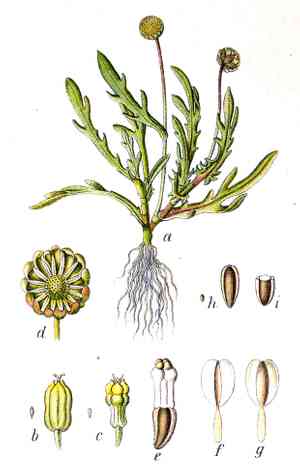
Common brassbuttons (Cotula coronopifolia)
Also known as: Buttonweed, Bachelor's buttons
Common brassbuttons (Cotula coronopifolia) thrives in moist environments. You'll typically find it in areas with abundant water, such as marshes (whether saltwater or freshwater), bogs, vernal pools, mudflats, riverbanks, beaches, and near ponds. This plant is native to South Africa.
In This Article
Attributes of Common brassbuttons
Lifespan
Perennial, Annual, Biennial
Plant Type
Herb
Plant Height
15 cm to 25 cm
Spread
10 cm to 50 cm
Leaf Color
Green
Flower Size
5 mm to 1.1 cm
Flower Color
Yellow
Images of Common brassbuttons
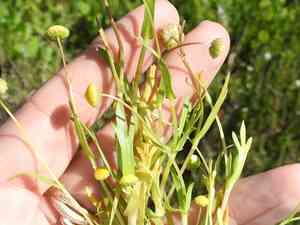
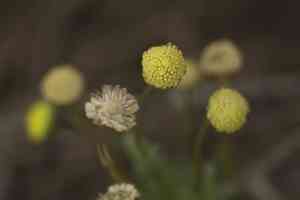
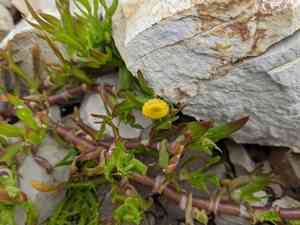
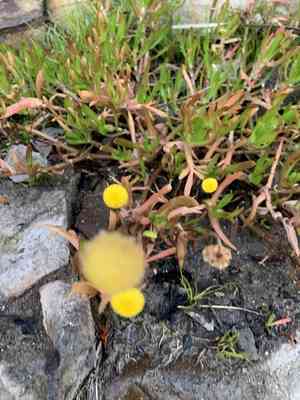
Quickly Identify Common brassbuttons
1
Cotula coronopifolia is characterized by its small, button-like yellow flowers that lack petals. The plant has fleshy, finely divided leaves and often forms dense mats. It can be identified by its sprawling growth habit and preference for wet, salty environments.
Scientific Classification of Common brassbuttons
Phylum
Vascular plants
Class
Dicotyledons
Order
Asterales
Family
Daisy
Genus
Water buttons
Species
Common brassbuttons
Planting and Growing of Common brassbuttons
Care Difficulty
Easy
Watering Schedule
Every 4 days
Sunlight Requirements
Full sun
Sunshine Duration
4-8 hours
Ideal Temperature
59-77℉
Soil Type
Potting Mix, Peat Mix
Soil pH
6.5-7.5
Fertilizer Type
Balanced
Pruning Season
Spring, Summer
Pruning Area
Branches, Leaves
Pruning Frequency
2 times a year
Repotting Season
Spring
Pot Type
Plastic, Ceramic
 How to Water Common brassbuttons?
Cotula coronopifolia thrives when the soil is kept moderately moist but not waterlogged. Aim to water this plant with approximately 100 milliliters of water per session, ensuring that the soil is moist to a depth of about 2 inches, which allows for proper root hydration without drowning the plant.
What are the symptoms of an underwatered Common brassbuttons?
›
What should I do if my Common brassbuttons is not getting enough water?
›
What are the symptoms of an overwatered Common brassbuttons?
›
How to save an overwatered Common brassbuttons?
›
 What Are the Sunlight Requirements for Common brassbuttons?
Cotula coronopifolia benefits from a combination of full to partial sun. This balance encourages optimal photosynthesis, ensuring vibrant foliage and healthier overall plant growth.
More About Sunlight Requirements Techniques→
Optimal Light Levels
›
Sunlight Placement Solution
›
Effects of Correct Lighting
›
 What Is the Ideal Temperature Range for Common brassbuttons?
The plant Cotula coronopifolia thrives best in a temperature range of 59°F to 77°F. This range ensures optimal photosynthesis and growth due to moderate warmth without causing heat stress.
 What Soil is Best for Common brassbuttons?
Cotula coronopifolia thrives in well-drained soils, as they ensure excess water doesn't stagnate around the roots. This prevents root rot, keeping the plant healthy and vibrant. A fertile soil rich in organic matter provides essential nutrients, supporting robust growth and vibrant flowering. Such soil enhances the plant's overall resilience and health. While it needs well-drained soil, moderate moisture retention is key to preventing drought stress. This balance ensures sustained hydration, promoting consistent growth.
 How to Fertilize Common brassbuttons?
Cotula coronopifolia thrives with a moderate amount of fertilizer. Use approximately 1 teaspoon of liquid fertilizer per gallon of water when applying monthly, and 2 tablespoons of granular slow-release fertilizer per plant annually. The key is ensuring nutrients are available without overwhelming its delicate root system.
 How to Prune Common brassbuttons?
Begin by removing any dead or yellowing leaves at the base using clean, sharp scissors. Trim back any overgrown stems to maintain a neat form. Make cuts just above a leaf node to encourage bushier growth. For aesthetic purposes, prune the plant to a desired shape by carefully cutting back stems around the perimeter. This not only maintains its size but also controls its spread and aesthetic appearance. To promote a fuller plant, engage in tip pruning where you pinch back the tips of stems. This stimulates branching and results in a bushy and lush appearance while enhancing flower production.
More About Pruning Techniques→
 How to Propagate Common brassbuttons plant?
1
Prepare a well-draining soil mix that is slightly acidic to neutral in pH. This provides the optimal environment for seed germination and root development. Make sure the soil is sterile to prevent fungal infections.
2
Sow the seeds evenly over the seed tray surface and cover them lightly with soil. Ensure that they are not buried too deeply as this can hinder their ability to germinate. Maintain soil moisture and place trays in a well-lit area.
3
Select healthy stems from the parent plant and cut them just below a node. Remove most of the leaves, leaving only a few at the top. This reduces the plant's transpiration, aiding root development once potted in the growing medium.
 How to Repot Common brassbuttons plant?
1
Cotula coronopifolia shows signs of needing a repot when its growth slows, roots emerge from drainage holes, or soil compacts significantly. Spring and early summer are ideal, as the plant is most resilient during these periods. Recognizing these signals ensures healthy growth and ample root space.
2
Select a pot with adequate drainage holes and one size larger than the current container. The pot material can vary—from terracotta to plastic—but ensure it complements your plant's watering needs. A correctly selected pot allows for healthier root development and minimizes waterlogging risks.
3
Opt for well-draining sandy soil to prevent root rot and ensure proper aeration. A mixture containing garden soil and perlite or sand works wonders. Good soil choice prevents rot while providing essential nutrients and promoting healthy root expansion.
Learn More About Common brassbuttons Diseases
Anthracnose
Bacterial Leaf Spot
Bacterial Soft Rot
Bacterial Wilt
Chemical Injury
Cyst Nematode
Damping-off
Downy Mildew
Drought Stress
Fusarium Wilt
Gray Mold
Leaf Spot
Mosaic
Nutrient Deficiency
Nutrient Toxicity
Powdery Mildew
Root Rot
Root-knot Nematode
Rusts
Sooty Mold
Spider Mites
Temperature Stress
Thrips Damage
White Mold



