How to Prune Common brassbuttons?
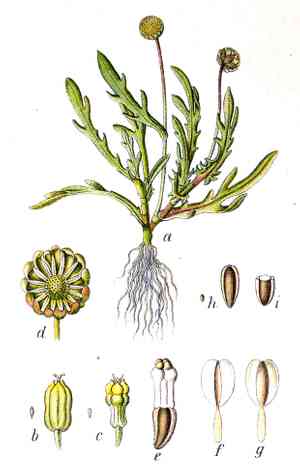
A ground-hugging, carpet-forming perennial, common brassbuttons flourishes with little upkeep. Lightly trim the borders to preserve its form and manage its expansion in late spring or summer, after it has bloomed, for best outcomes. Consistent removal of spent flowers fosters extended blossoming and hinders self-propagation. Periodically thinning out congested areas boosts air movement, lessening the chance of fungal infections. Trimming benefits common brassbuttons by spurring development, improving its look, and boosting its general well-being.
What Are the Benefits of Pruning Common Brassbuttons?
What Are the Benefits of Pruning Common Brassbuttons?
Trimming common brassbuttons encourages robust development and assists in preserving its desired form. Consistent cutting fosters denser foliage and prevents excessive growth that could otherwise hinder the plant's health.
What Is the Best Time for Pruning Common Brassbuttons?
What Is the Best Time for Pruning Common Brassbuttons?
The optimal time for pruning common brassbuttons is during Spring or Summer, as these periods promote strong growth and recovery. In Spring, following the final frost, common brassbuttons enters a growth phase, making it receptive to pruning, which aids in shaping the plant and stimulating new development. Pruning in early Summer can also be advantageous, allowing common brassbuttons to recuperate swiftly and utilize the growing season's energy for producing more leaves and flowers. Avoid pruning in late Fall or Winter when the plant is dormant or might be vulnerable to frost or cold damage after trimming.
What Tools Do I Need to Prune Common Brassbuttons?
Bypass Pruners
Perfect for making neat and accurate cuts on common brassbuttons, bypass pruners are effective as they cause minimal harm to plant tissues, encouraging healthy regrowth.
Gardening Scissors
Gardening scissors are suitable for snipping off small, delicate parts of common brassbuttons without crushing the stems, preserving the plant's visual appeal.
Hand Shears
When shaping common brassbuttons or trimming larger sections, hand shears offer good control and can manage thicker stems than scissors.
Gloves
Wearing gloves while pruning common brassbuttons safeguards the gardener's hands from sap and ensures a better grip on the tools.
How to Prune Common Brassbuttons
Identify
Carefully examine common brassbuttons to locate diseased and withered leaves, as well as unhealthy stems that require removal. Focus on leaves showing discoloration or damage and stems that appear unhealthy or discolored.
Disinfect
Before beginning, sanitize your pruning tools with alcohol or a bleach solution to prevent the spread of disease during the trimming process.
Trim leaves
Using sharp scissors or pruning shears, gently remove the diseased and withered leaves from common brassbuttons at their base where they connect to the stem. Avoid pulling leaves off to prevent unnecessary damage to the plant.
Trim stems
Cut back diseased stems on common brassbuttons, making the cut at a healthy section of the stem just above a leaf node or bud. Ensure a clean cut to promote faster healing.
Cleanup
Remove all trimmed offshoots, leaves, and stems from the area to reduce the risk of disease spreading and to keep the growing space tidy for common brassbuttons.
Common Pruning Mistakes with Common Brassbuttons
Over pruning
Reducing the plant size excessively can stress common brassbuttons, limiting its ability to recover and reducing its vitality.
Blunt cutting tools
Using dull or unclean tools can damage common brassbuttons's stems, leading to jagged cuts that are susceptible to disease and pest infestation.
Stripping too much foliage
Removing too much foliage at once may expose common brassbuttons to sunburn and reduce its capacity for photosynthesis, which is crucial for its growth and blooming.
Neglecting deadheading
Failure to regularly remove spent flowers can prevent common brassbuttons from producing new blooms, as it may focus its energy on seed production instead.
Ignoring plant shape
Not considering the natural form of common brassbuttons can result in an unbalanced or unnatural appearance and may impede its growth.
Common Pruning Tips for Common Brassbuttons
Sharp clean tools
Ensure cutting tools are sharp and clean to make precise, clean cuts on common brassbuttons that heal quickly and resist disease.
Light trimming
Engage in light, regular trims rather than severe cuts to maintain common brassbuttons's shape and encourage fuller growth.
Deadheading spent blooms
Promptly deadhead spent flowers to promote further flowering and redirect common brassbuttons's energy from seed production back to vegetative growth.
Thinning dense growth
Thin out dense areas to improve air circulation and light penetration, which helps reduce the risk of fungal diseases in common brassbuttons.
Maintaining natural shape
Prune with common brassbuttons's natural shape in mind to enhance its aesthetic appearance and support robust growth patterns.



