How to Transplant Woolly cotoneaster?
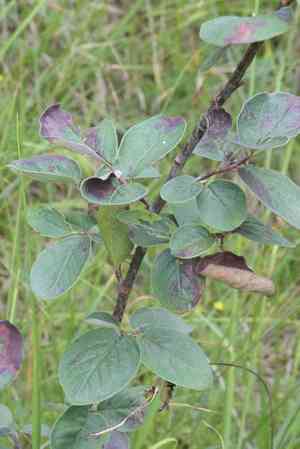
For robust establishment of woolly cotoneaster, relocate it during the mild temperatures of late spring through early summer, leveraging ideal conditions for root development. Choose a location featuring adequately draining soil and partial sunlight. Careful attention during this period encourages strong development.
What Preparations are Needed Before Transplanting Woolly Cotoneaster?
What is the Ideal Time for Transplanting Woolly Cotoneaster?
The best time to move woolly cotoneaster is during the peak of its growth season, from late spring to mid-summer. Moving woolly cotoneaster then takes advantage of warmer temperatures and longer daylight, which helps roots establish and grow. Additionally, they'll have plenty of time to adjust before winter's challenges. This step ensures woolly cotoneaster thrives in the upcoming season!
How Much Space Should You Leave Between Woolly Cotoneaster Plants?
When planning to transplant woolly cotoneaster, make sure to space them approximately 5-6 feet (1.5-1.8 meters) apart. This provides each woolly cotoneaster sufficient room to grow without becoming crowded.
What is the Best Soil Mix for Woolly Cotoneaster Transplanting?
Prepare a soil that drains well and is rich in organic material for your woolly cotoneaster. Enhance the soil with a balanced, slow-release fertilizer to give the transplanted plants a strong start.
Where Should You Relocate Your Woolly Cotoneaster?
Select a spot for your woolly cotoneaster that gets full sun to partial shade. This guarantees the woolly cotoneaster receives the appropriate amount of light to flourish!
What Equipments Should You Prepare Before Transplantation Woolly Cotoneaster?
Gardening Gloves
To shield your hands while handling soil and plants.
Shovel or Spade
For carefully digging up the plant without harming its roots.
Pruning Shears
For trimming any damaged roots or branches prior to transplanting.
Wheelbarrow
To move the woolly cotoneaster from its original spot to the new location.
Watering Can or Hose
For hydrating the plant immediately after transplanting to lessen shock.
Mulch
To help maintain soil moisture and regulate temperature around the new planting area.
How Do You Remove Woolly Cotoneaster from the Soil?
How Do You Remove Woolly Cotoneaster from the Soil?
From Ground: Hydrate the woolly cotoneaster to moisten the soil. Dig a wide circle around the plant with a shovel, ensuring you are far enough to avoid cutting major roots. Carefully work the shovel beneath the root ball and gently lift the plant from its original position, keeping the root ball intact.From Pot: Start by watering the woolly cotoneaster to make the soil damp. Tilt the pot slightly and gently tap its sides to loosen the root ball. Hold the base of the woolly cotoneaster and carefully slide it out of the pot, being careful not to pull on the stems or leaves.From Seedling Tray: Water the tray to ensure the soil is moist, which makes removing seedlings easier. Use a small tool like a dibber or a fork to gently lift the woolly cotoneaster from the tray without harming its delicate root system.
Step-by-Step Guide for Transplanting Woolly Cotoneaster
Dig the Hole
Excavate a hole in the ground that is twice as wide and the same depth as the woolly cotoneaster's root ball. This provides ample space for the roots to spread.
Inspect the Roots
Before placing the woolly cotoneaster into the hole, examine its root ball. Trim away any broken or dead roots.
How Do You Care For Woolly Cotoneaster After Transplanting?
Watering
After transplanting, thoroughly water the woolly cotoneaster to settle the soil and remove air pockets. Continue to water regularly but avoid overwatering, which can lead to root rot.
Mulching
Apply a layer of mulch around the base of the woolly cotoneaster, leaving some space clear around the stem. This will help retain soil moisture and suppress weeds.
Pruning
Trim any damaged or broken branches to encourage healthier growth and shape the woolly cotoneaster, but refrain from heavy pruning immediately after transplanting.
Monitoring
Observe the woolly cotoneaster for signs of transplant shock, such as wilting, yellowing, or dropping leaves. Take necessary steps to alleviate any stressors.
Troubleshooting Common Issues with Woolly Cotoneaster Transplantation.
When is the best time to transplant woolly cotoneaster?
Transplant woolly cotoneaster during the mild warmth of late spring through mid-summer for optimal results.
What is the ideal distance between woolly cotoneaster when planting?
Space woolly cotoneaster approximately 5-6 feet (1.5-1.8 meters) apart to allow them room to thrive.
How do I prepare the soil for woolly cotoneaster transplantation?
Enrich the planting site with well-decomposed organic compost for nutrient-rich, well-draining soil.
What should I do if woolly cotoneaster wilts after transplanting?
Ensure it's receiving adequate water; mulch can help retain moisture and protect the roots.
How deep should I plant woolly cotoneaster's root ball?
Position the root ball so it's level with the surrounding soil, neither deeper nor higher.
Can I transplant woolly cotoneaster on a hot, sunny day?
Avoid transplanting in intense heat. Aim for a cooler, overcast day to minimize transplant stress.
Why is my woolly cotoneaster not thriving after transplant?
Check if the soil drains well and woolly cotoneaster is not waterlogged. Adjust care as needed.
How often should I water woolly cotoneaster post-transplant?
Keep the soil consistently moist without overwatering; reduce frequency as the plant establishes.
How can I protect woolly cotoneaster from transplant shock?
Water thoroughly after planting, provide shade if necessary, and avoid immediate fertilization.
Should I prune woolly cotoneaster when I transplant it?
Prune only broken or dead branches, as pruning can add stress during transplantation.



