The Woolly cotoneaster Plant Advantage: Maximizing Home and Office Appeal and Wellness
1
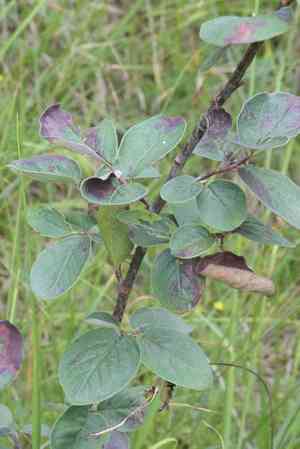
The woolly cotoneaster is an easy-to-care-for plant, perfect for hedges and covering ground.
2
It offers lovely seasonal blooms and fruits, drawing in beneficial insects.
3
This plant improves soil firmness and helps stop soil loss.
Why Select Woolly Cotoneaster for Your Garden?
Effortless Upkeep
A primary reason gardeners favor Woolly cotoneaster is its minimal care requirements. This robust plant thrives in diverse soil types and endures various environmental conditions, making it ideal for both new and seasoned gardeners. Once rooted, Woolly cotoneaster needs little watering and flourishes with minimal attention.
Groundcover and Boundary Planting
Woolly cotoneaster functions as an excellent ground cover due to its dense, spreading growth habit. It effectively fills garden spaces, aiding in weed suppression and providing a neat appearance. Furthermore, its compact size and rich foliage make it perfect for hedging, offering a natural and appealing border for your garden.
Ecological Advantages of Woolly Cotoneaster
Erosion Control
Woolly cotoneaster plays a vital role in stabilizing soil and preventing erosion. Its root system spreads broadly and deeply, anchoring the soil and reducing erosion risk on slopes and in areas prone to heavy rainfall. This makes it a superb choice for gardeners aiming to safeguard their landscape from erosion-related damage.
Wildlife Habitat
Woolly cotoneaster attracts wildlife, especially pollinators. Its blossoms draw bees, butterflies, and other beneficial insects, boosting your garden's biodiversity. The berries that appear after flowering provide sustenance for birds, fostering a flourishing ecosystem in your yard.
Aesthetic Appeal of Woolly Cotoneaster
Seasonal Allure
A prominent characteristic of Woolly cotoneaster is its visual charm across different seasons. In spring and summer, it showcases delicate flowers that add a burst of color to your garden. As autumn approaches, the plant produces vivid berries that are not only beautiful but also enhance its ornamental value.
Adaptable Landscaping Choice
Woolly cotoneaster can be incorporated into various landscaping designs, making it a versatile addition to any garden. Whether you desire a neat, formal hedge or a more natural, sprawling ground cover, this plant adapts well to both situations. Its design flexibility makes it a favorite among landscape architects and gardeners alike.
How to Care for Woolly Cotoneaster?
Watering and Nourishment
Woolly cotoneaster is relatively drought-tolerant once established, requiring minimal irrigation. However, during its initial growth phase, consistent watering is crucial for root establishment. Fertilization is generally unnecessary, but a light feeding in early spring can encourage vigorous growth.
Trimming and Upkeep
To maintain Woolly cotoneaster's optimal appearance, occasional pruning is advised. Remove any dead or damaged branches to preserve its shape and promote healthy development. Pruning can also help manage its size if you're utilizing it as a hedge. This low-maintenance approach ensures your Woolly cotoneaster plant continues to thrive year after year.
Common Issues and Their Solutions
Pest Management
Although Woolly cotoneaster is typically pest-resistant, it may occasionally encounter problems with aphids or scale insects. A simple remedy is to use a mild insecticidal soap or neem oil to treat affected areas, ensuring the plant remains healthy and vibrant.
Disease Prevention
Woolly cotoneaster is resistant to most common plant diseases. However, good gardening practices such as proper spacing, adequate sunlight, and avoiding over-watering can prevent fungal infections and other issues. Regularly inspect your plant to detect any problems early and manage them effectively.



